- -20° C
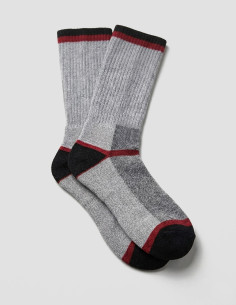
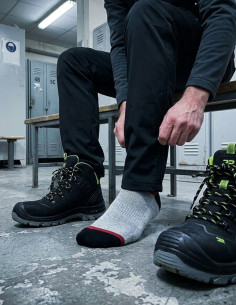
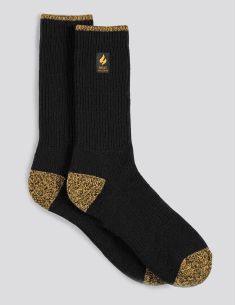
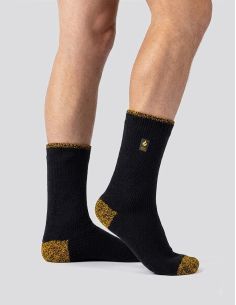
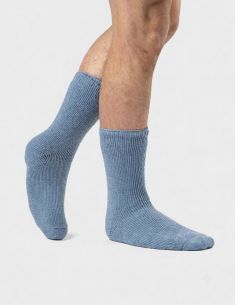
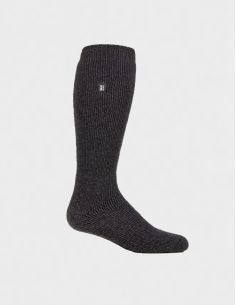
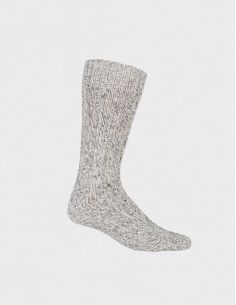
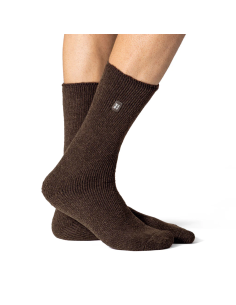
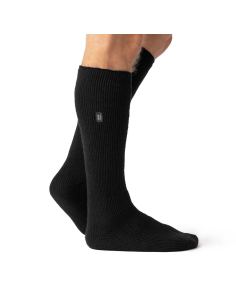
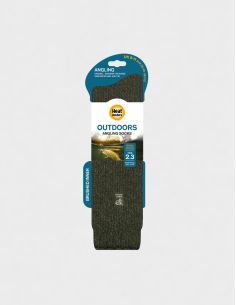
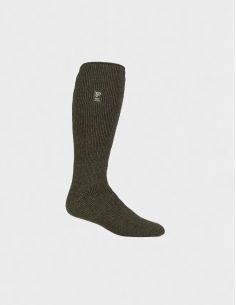
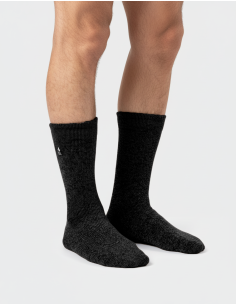
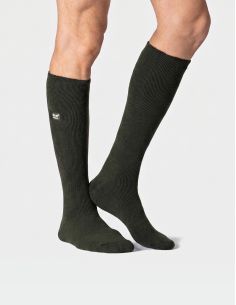
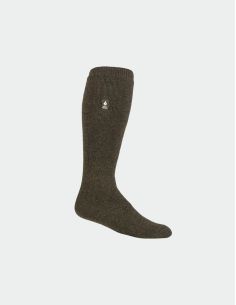
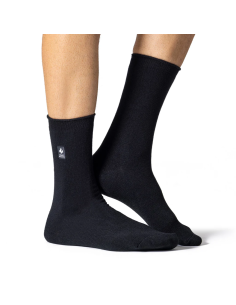
- High-profile thermal socks engineered for cold storage and industrial settings. Merino-rich construction for warmth and durability.
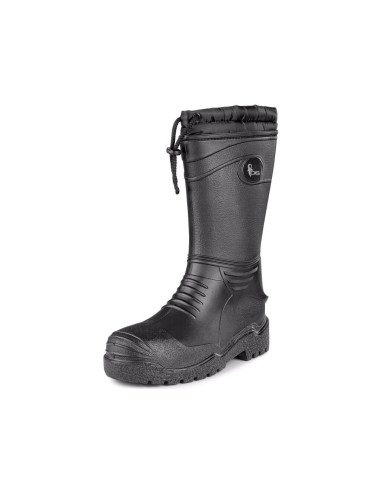
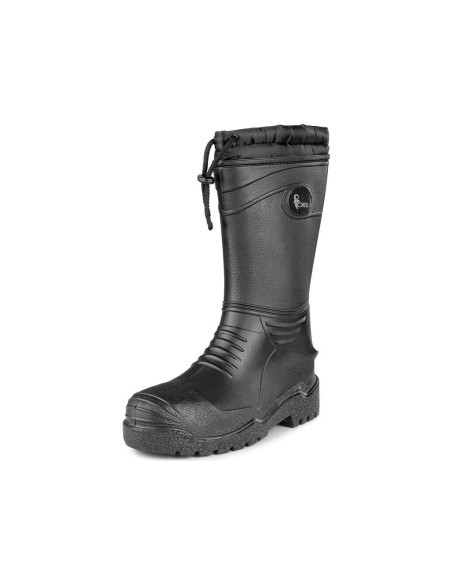
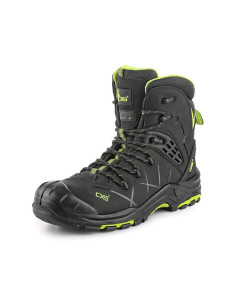
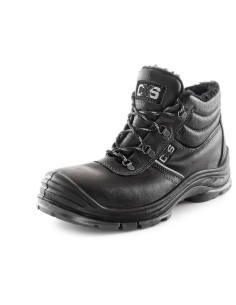
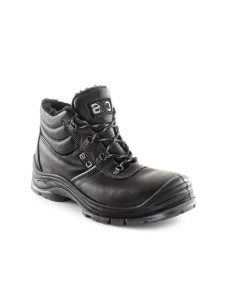
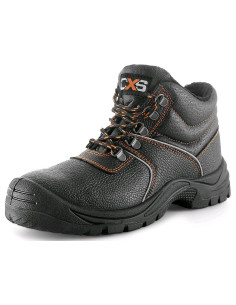
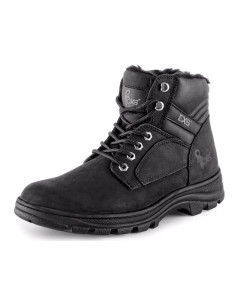
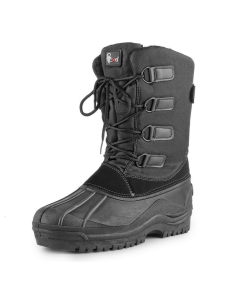
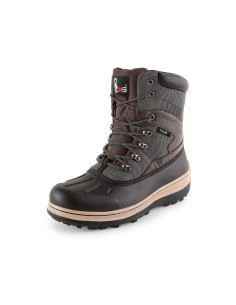
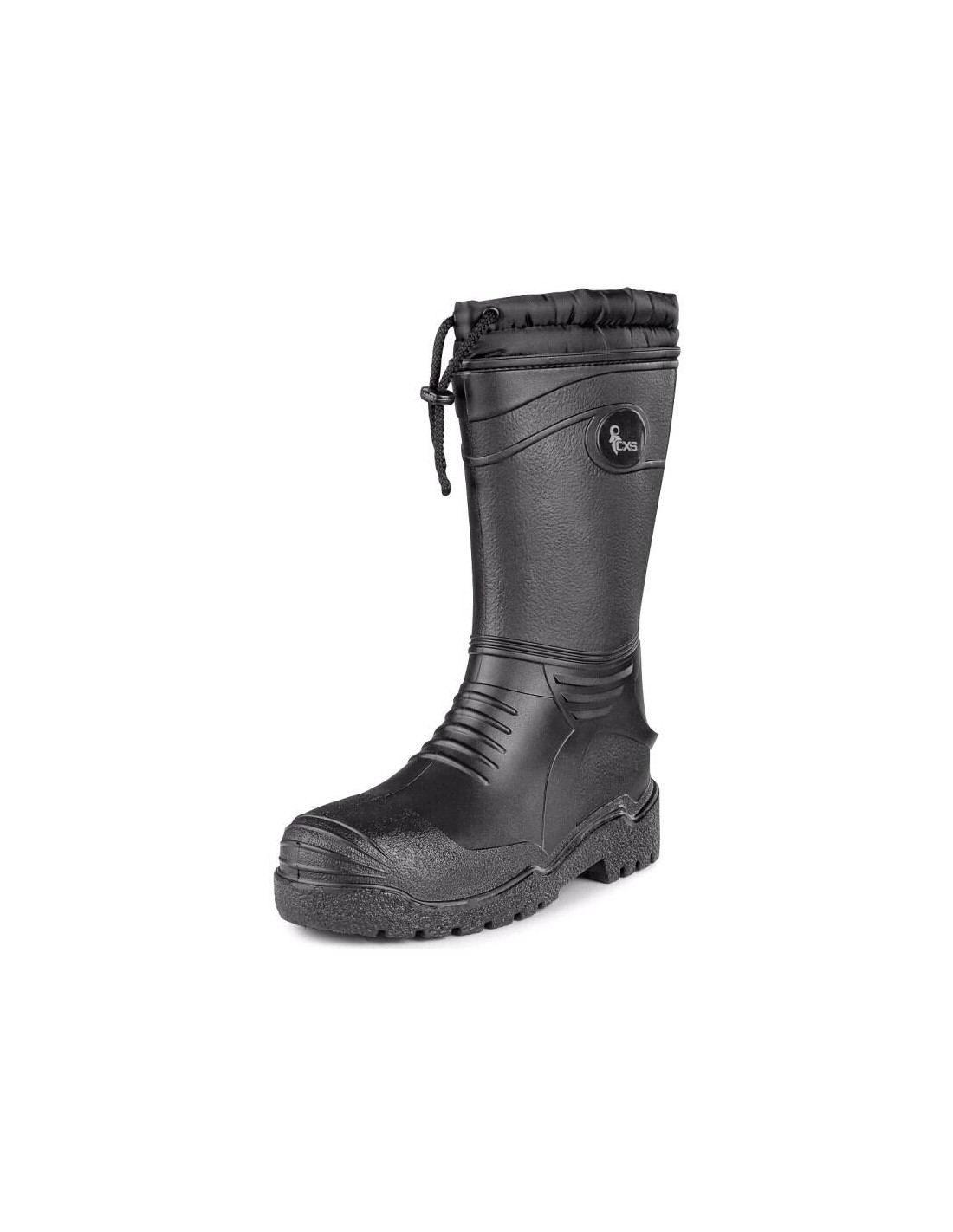
The Frosta boots are lined with 300 g of synthetic fur, the thickest fill in our footwear range, and their outsole carries the CI marking: insulation against cold is certified here. High shaft of 34.5 to 36.5 cm, entirely metal free, water-resistant upper. Sizes 38 to 46.
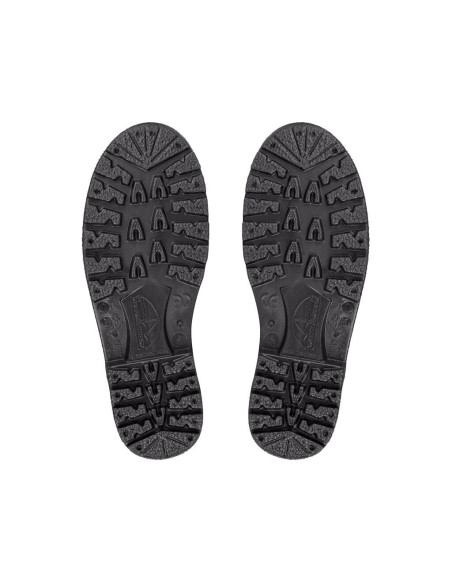
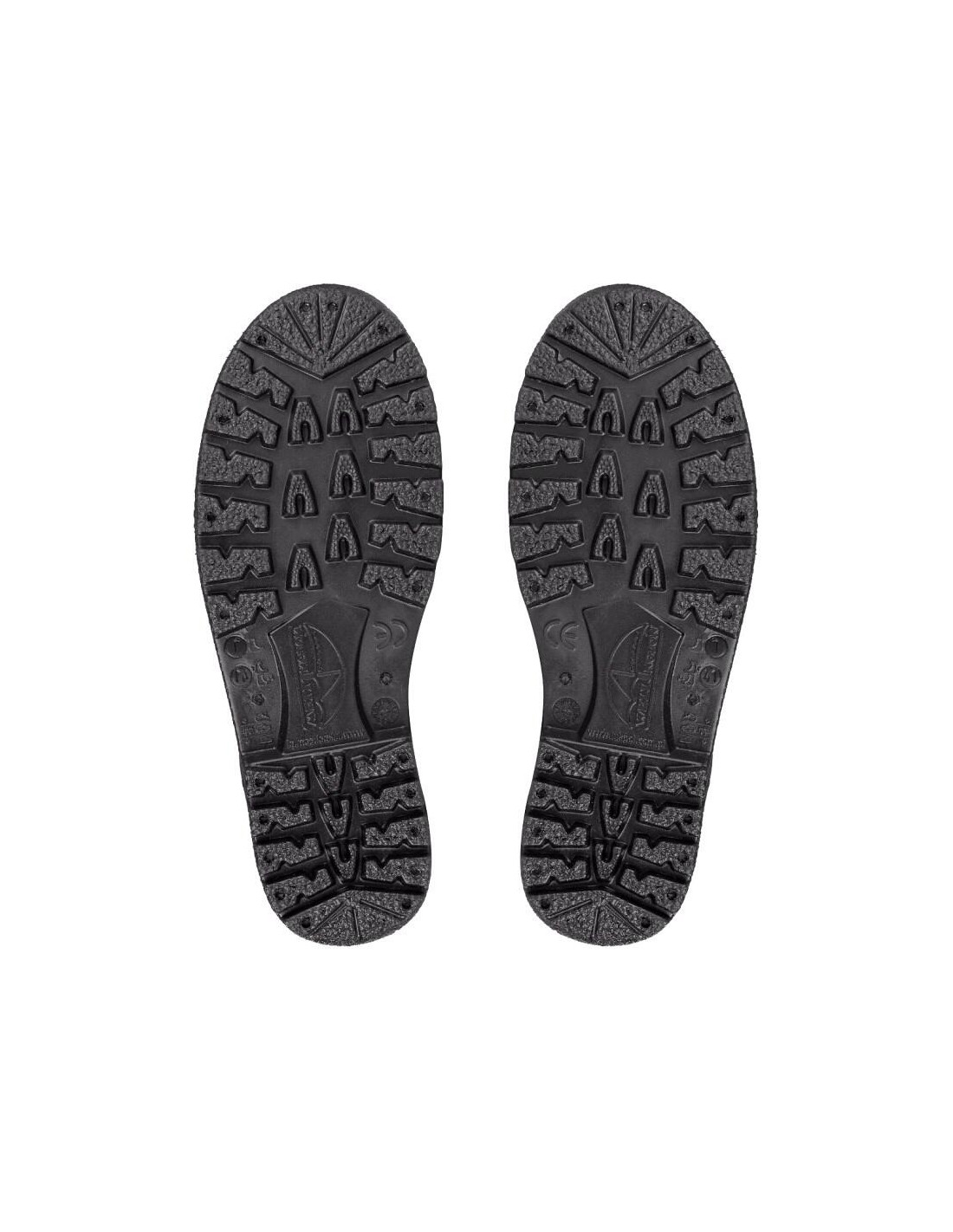
The Frosta boots are lined with 300 g of synthetic fur — the thickest fill in our winter footwear range. The shaft rises from 34.5 to 36.5 cm depending on the size, up to the calf: it covers the area that ankle boots leave bare and closes the way to snow. The slip-resistant outsole carries the CI marking, insulation against cold, and absorbs energy at the heel. The boot is entirely metal free, so there is no part conducting cold to the inside, and its upper is water resistant. Sizes 38 to 46, made in Europe.
Three hundred grams of fur and thirty-six centimetres of shaft is a lot of warmth for the money. These are cold-weather boots, not safety footwear. On a job where you stand outdoors with no crushing risk, they do what ankle boots cannot.

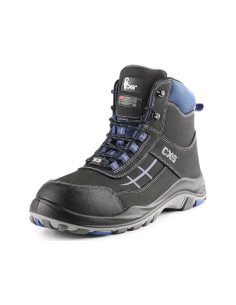
The warmth comes first from thickness. The 300 g of synthetic fur holds a deep layer of air around the foot and the calf, and it is that still air that insulates. It is the heaviest fill in our footwear range, where the models with a stated insulation weight sit at 200 g.
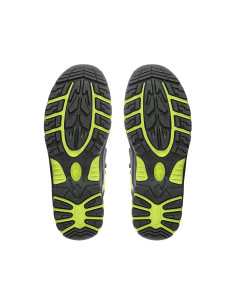
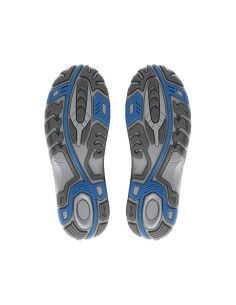
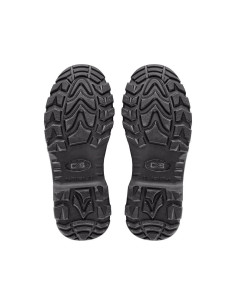
Underfoot, the outsole carries the CI marking. That is not a marketing claim but a test: the whole boot spends thirty minutes at −17 °C / 1 °F, and the temperature measured inside must not drop by more than 10 °C. That is what deals with cold from the ground, the one you are in contact with all the time.
Two further points of build complete the picture. Being metal free removes the thermal bridges: a steel toe cap or midsole conducts cold to the inside, which does not happen here. And the high shaft covers the calf, a surface ankle boots leave bare and through which heat escapes.
Because they bring together everything that keeps a foot warm: 300 g of fur, an insulating outsole certified against cold, a shaft that reaches the calf, and no metal part to conduct cold to the inside.
And because the height of the shaft settles a problem ankle boots do not. In snow, what wets the foot comes in from above, not through the sole.
* Indicative temperature. Perceived warmth varies with activity, body type, humidity, the ground and the socks worn.
You might also like