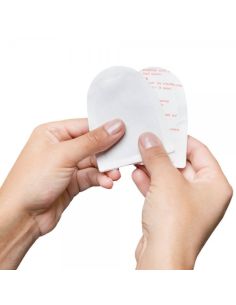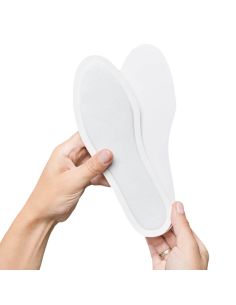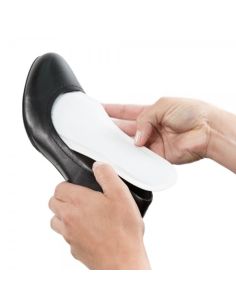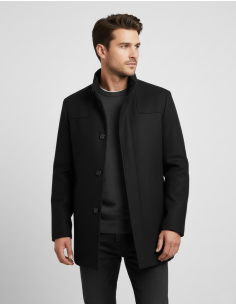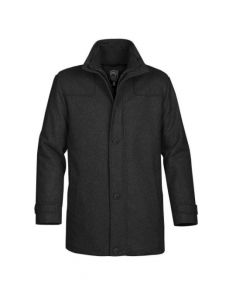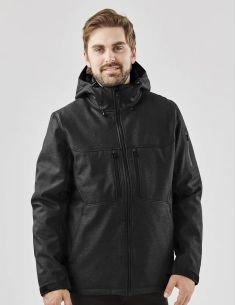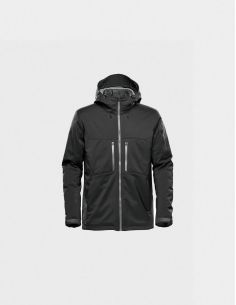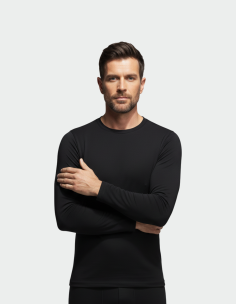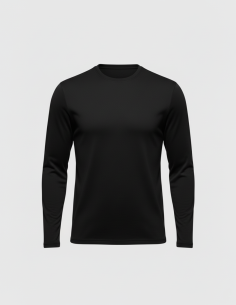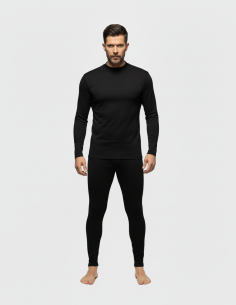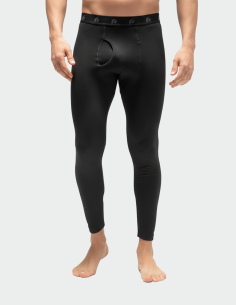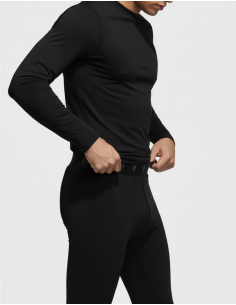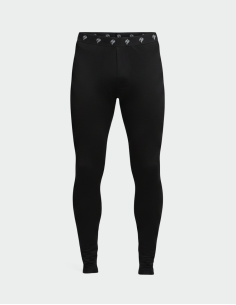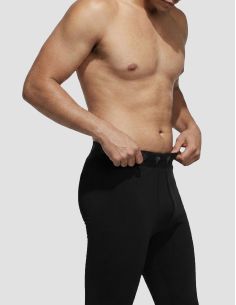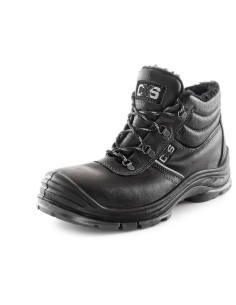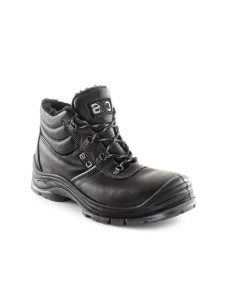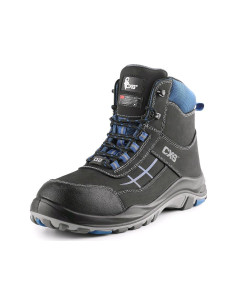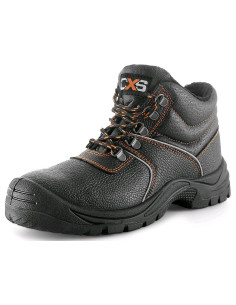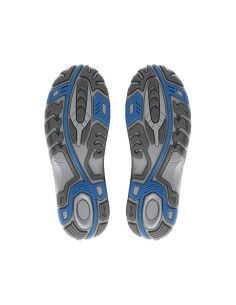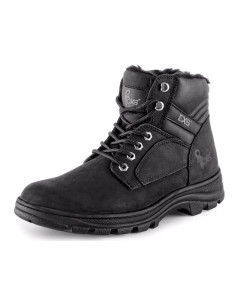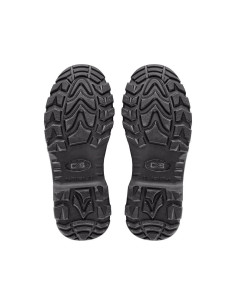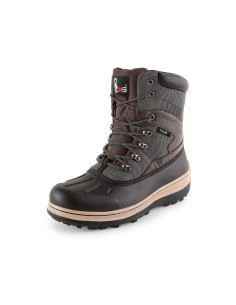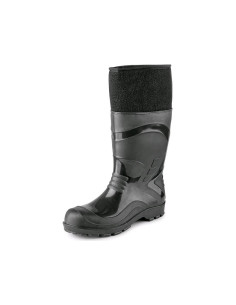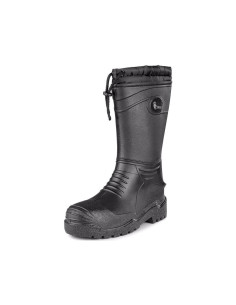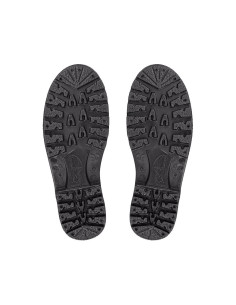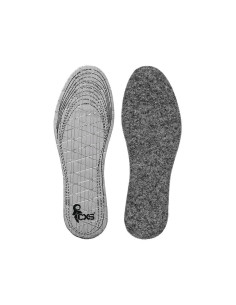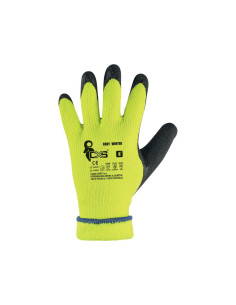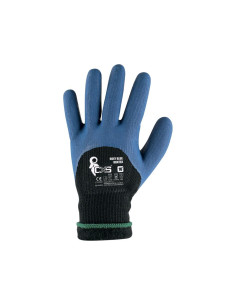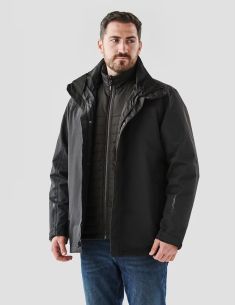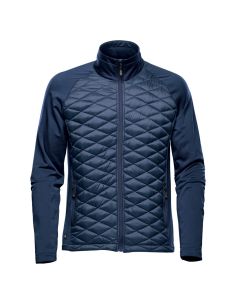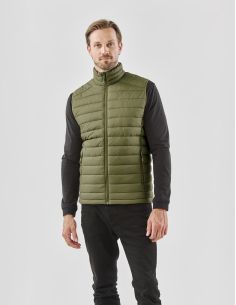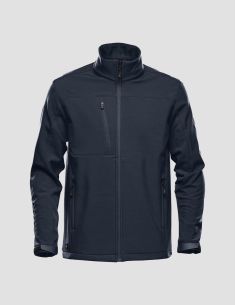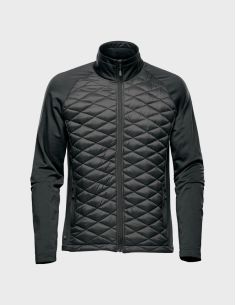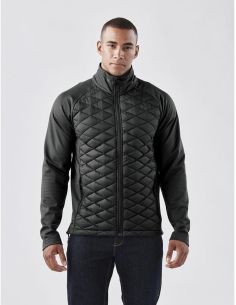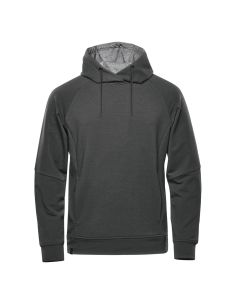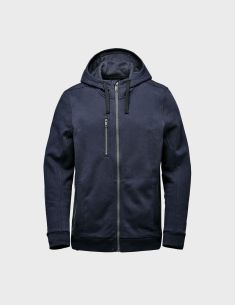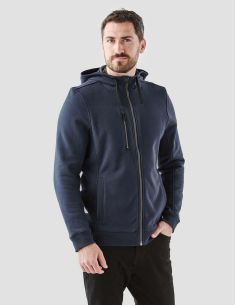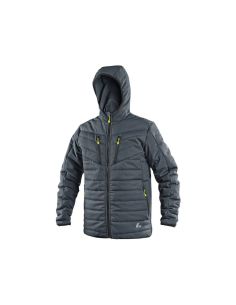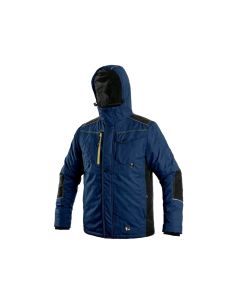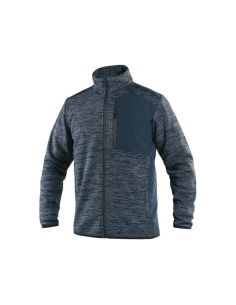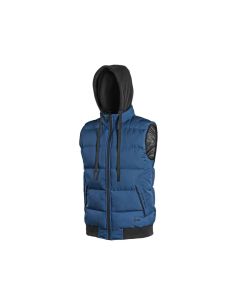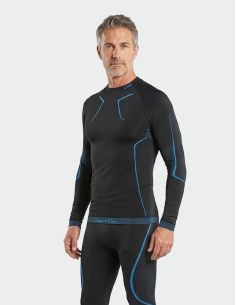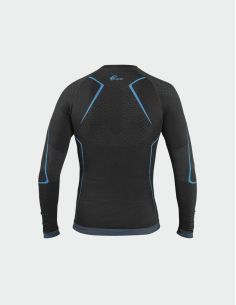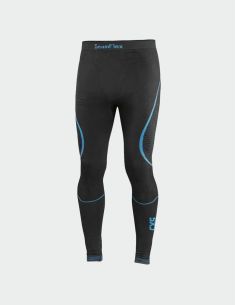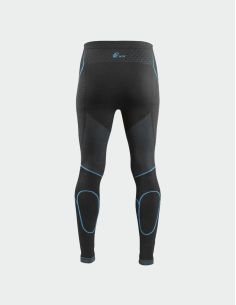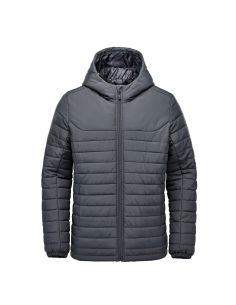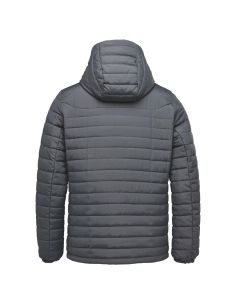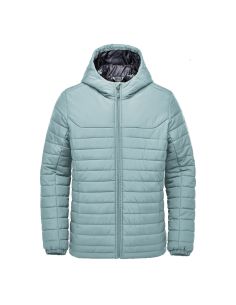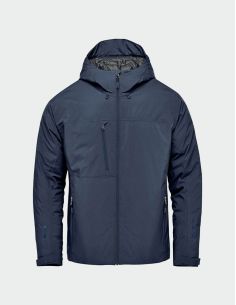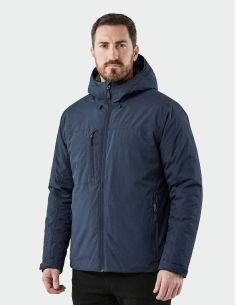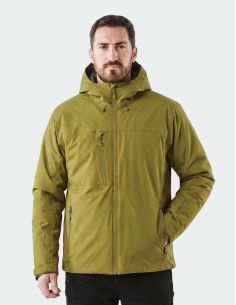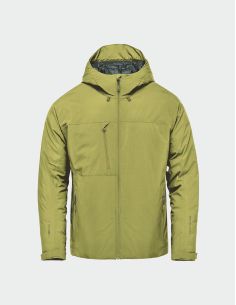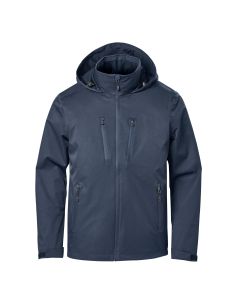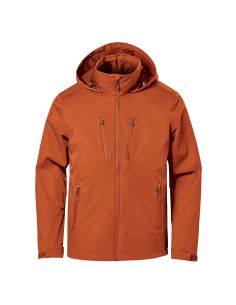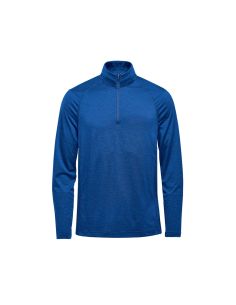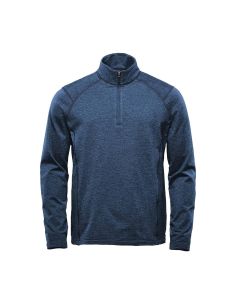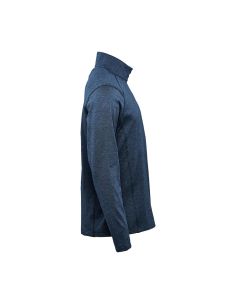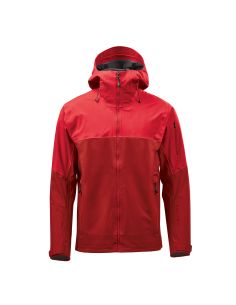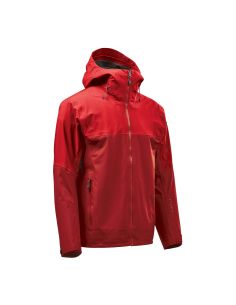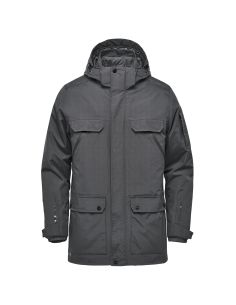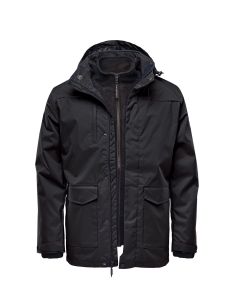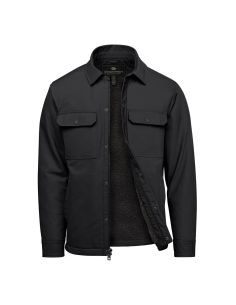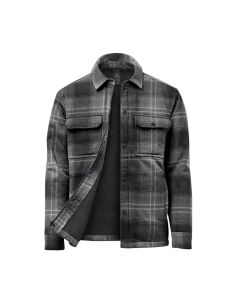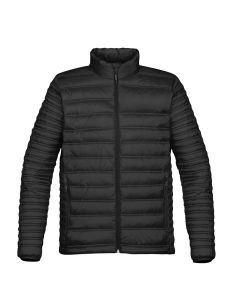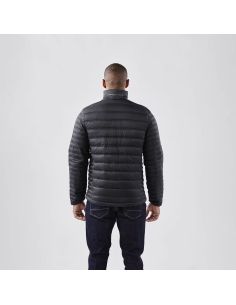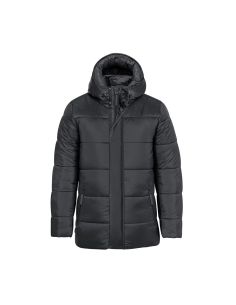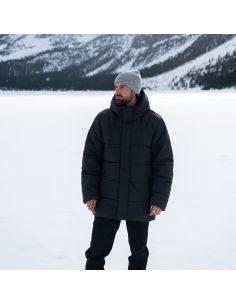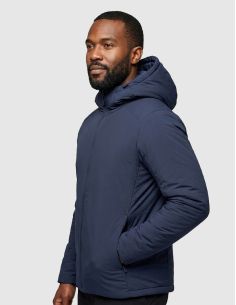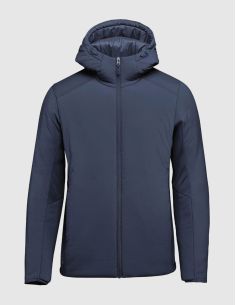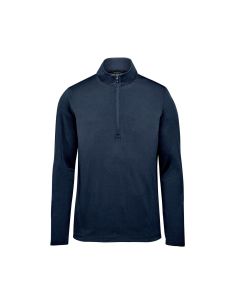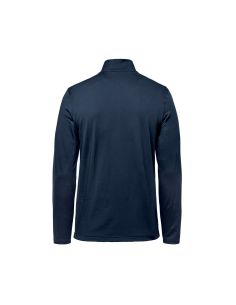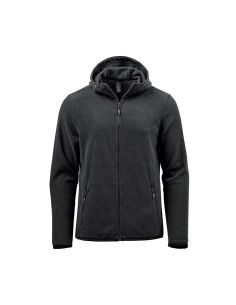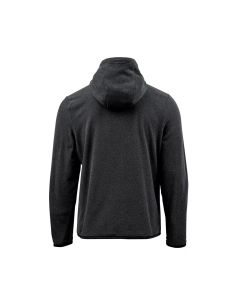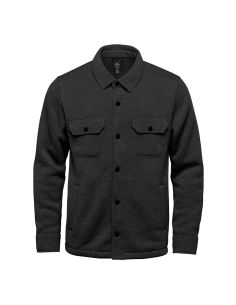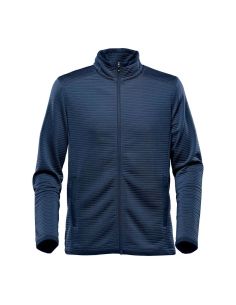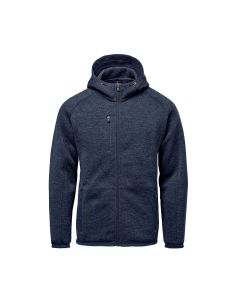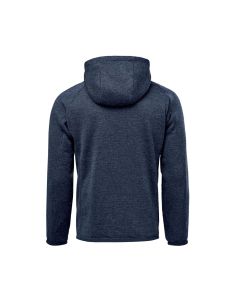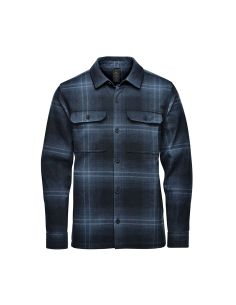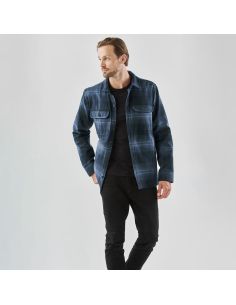
- -50° C
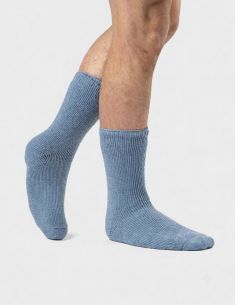
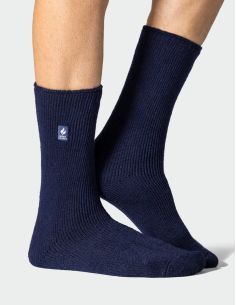
- Patented thermal fibers, guaranteed to keep your feet cool.
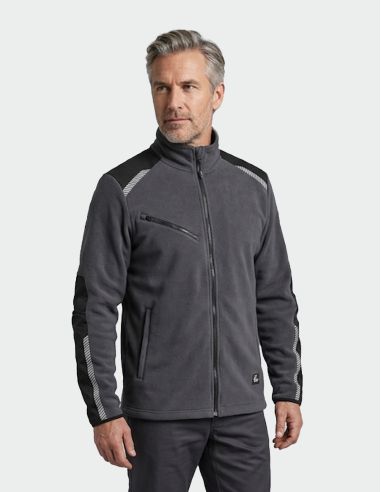
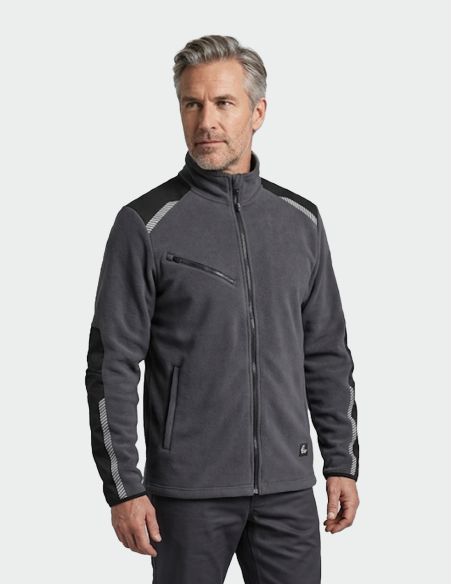
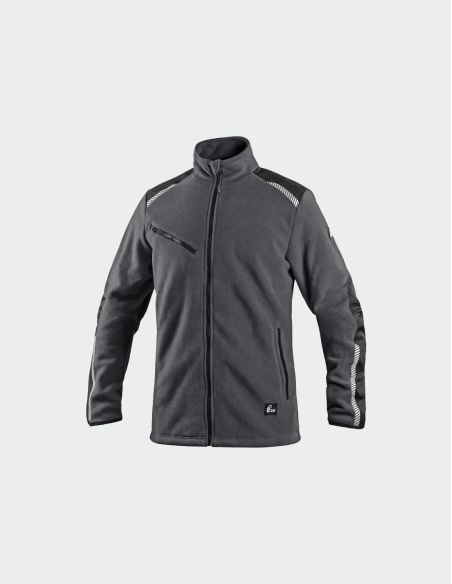
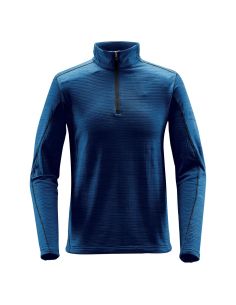
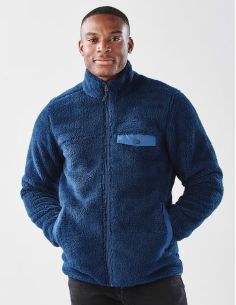
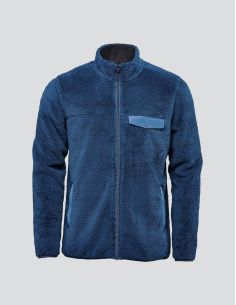
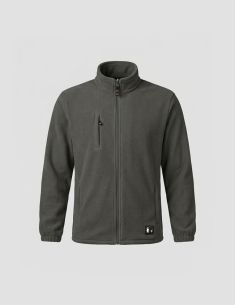
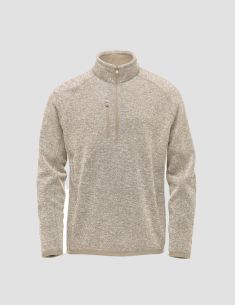
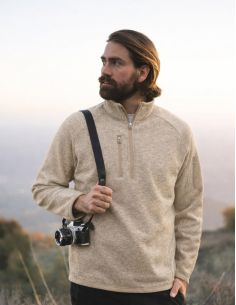
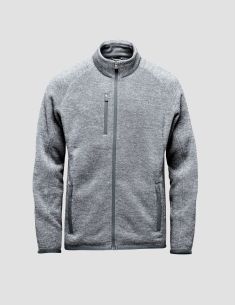
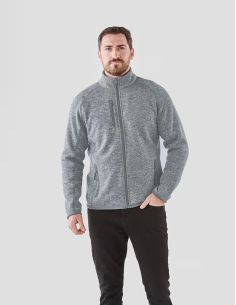
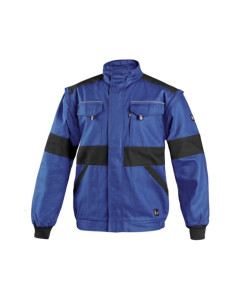
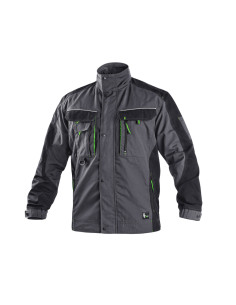
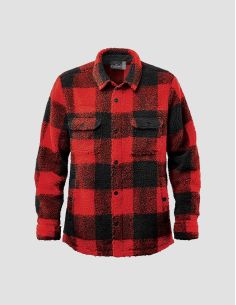
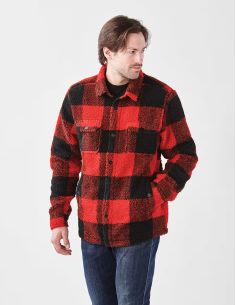
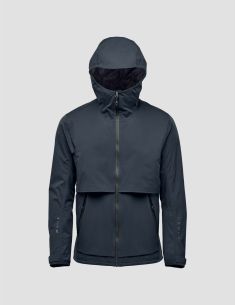
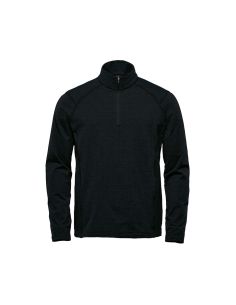
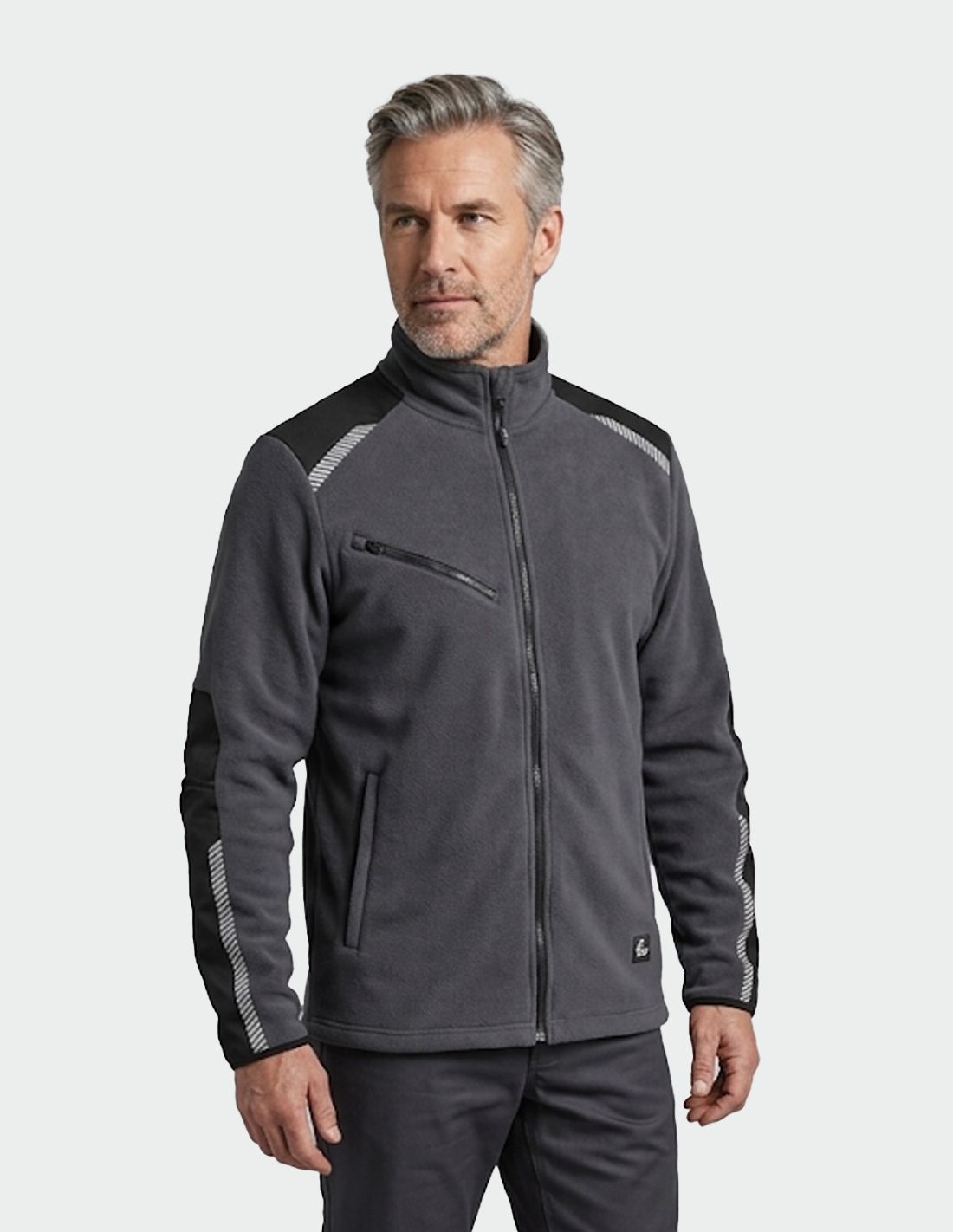
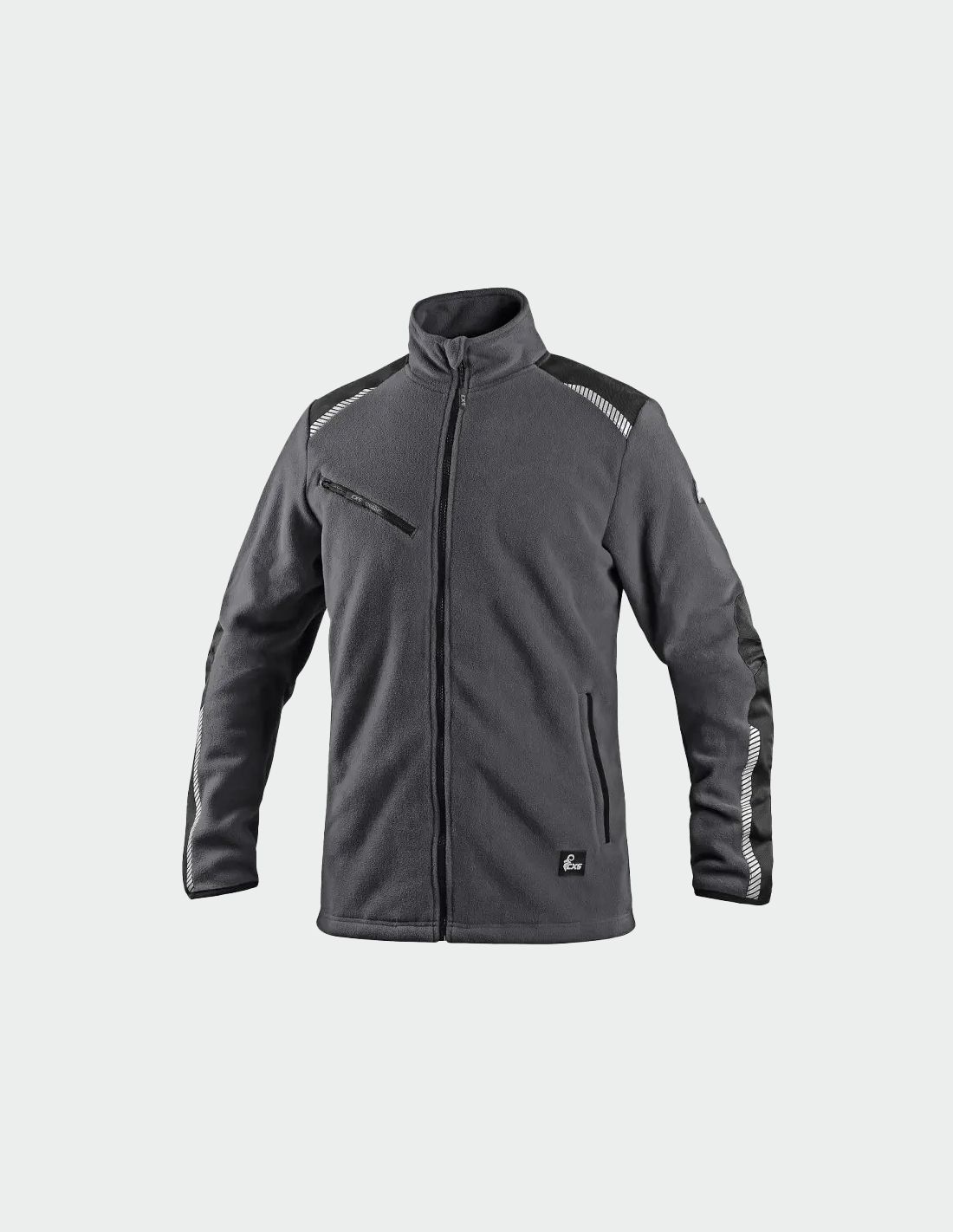
The 4ENVI Solis fleece jacket by CXS offers a density of 300 g/m² (8.8 oz/yd²) and protects down to −10 °C / 14 °F. No more thin fleeces that let the morning cold through.
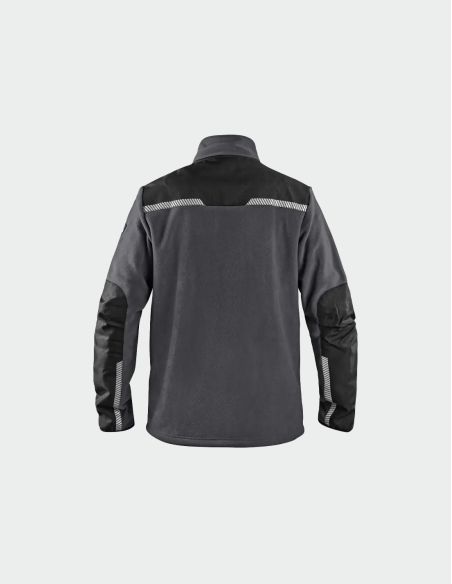
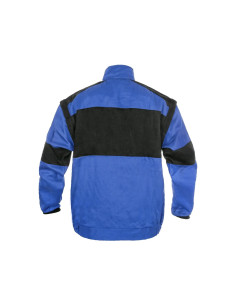
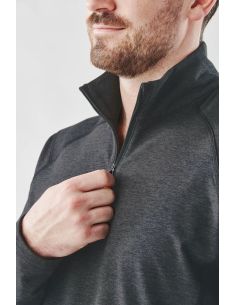
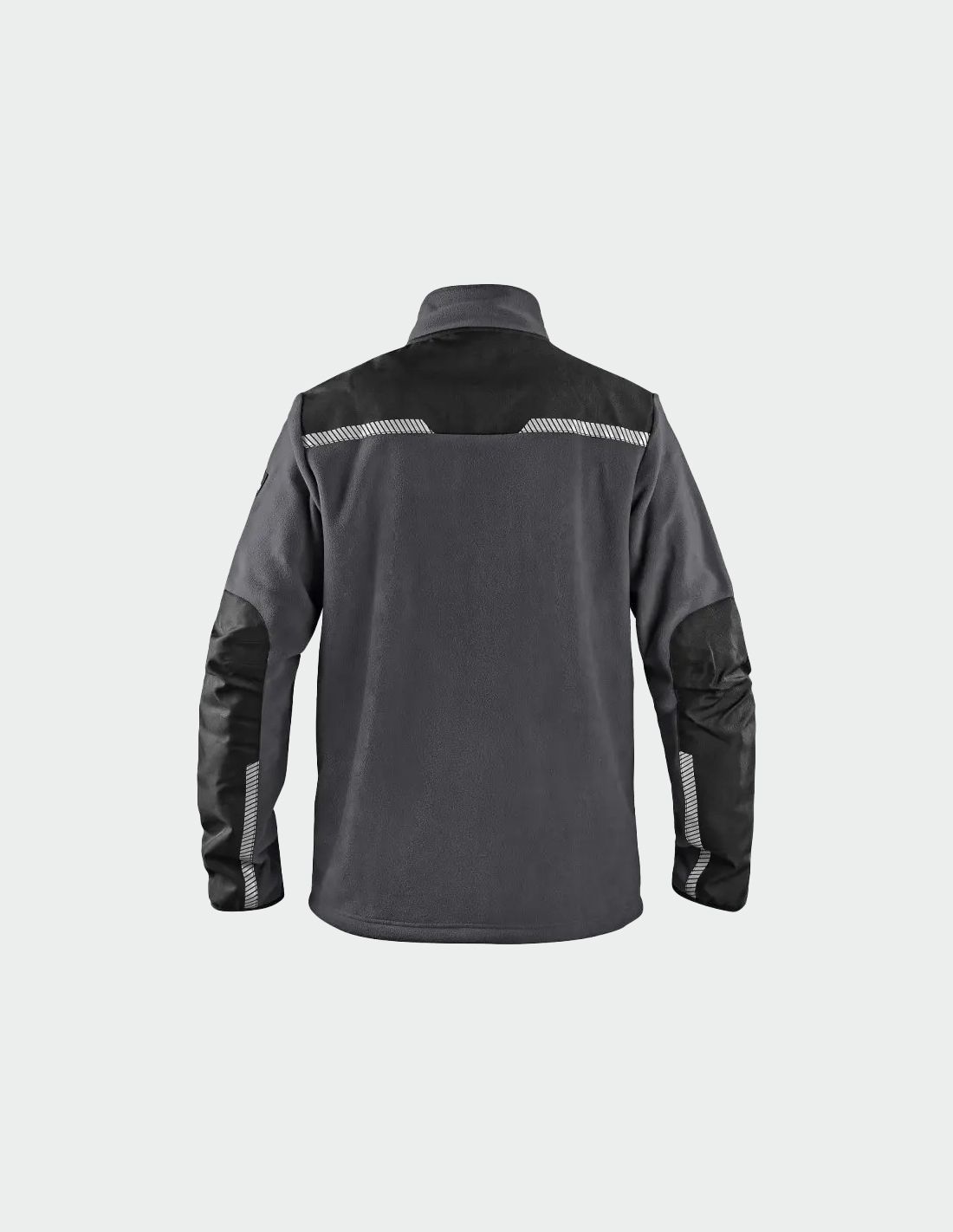
Built to last, it carries hard-wearing 600D reinforcement across the shoulders and elbows to withstand rubbing from straps and repeated pressure. The high collar, elasticated cuffs and adjustable hem close off every way cold air gets in. Each jacket is woven from 60 recycled plastic bottles. Sizes S to 5XL.
The second thermal layer to wear on its own or under a windproof, for anyone standing still in the cold.
The 4ENVI Solis jacket is a clear step up from the thin mid-season fleeces. At 300 g/m², this technical knit traps a substantial volume of air around your torso. It is that air, warmed by your body, that creates the insulation against the cold. Because a thick fleece usually wears through first at the contact points, this model carries 600D polyester reinforcements at the shoulders and elbows to take the rub of a rucksack strap or repeated leaning. It is cut for movement, with finishes designed to shut the wind out — high collar, elasticated cuffs, drawcord at the hem — and secure zipped pockets. A technical achievement that is also a material one, since it is woven from recycled plastics.
At 300 g/m², this is a genuine deep-winter fleece, cut for hard conditions. It lasts a whole morning where a microfleece gives up after an hour. On a windswept station platform, the collar zipped right up changes everything and protects the neck, a key area of heat loss. For all its density, it slips under a parka without bulk. Put a thermal base layer underneath to go lower still.
How can a single jacket protect you in freezing weather? The answer is physical: fleece knit raises thousands of microscopic fibres that capture and hold air still. It is that mattress of air, warmed by your own body, that forms the thermal barrier — the fibre itself insulates very little. At 300 g/m², that mattress is roughly twice the one you get from a 150 g/m² microfleece. For the warm air not to escape, the exits have to be closed: that is the job of the high collar, the elasticated cuffs and the drawcord at the hem. A fleece is neither windproof nor waterproof: the fabric is air-permeable by construction, and that is what makes it breathable. In a steady wind, it needs a third layer over the top to show what it can do.
About to face the freeze? Remember that a fleece, however thick, is part of a three-layer system. It is judged not on what it does alone, but on what it lets the other two do.
The three-layer system:
* Indicative temperature. Perceived warmth varies with activity, body type, humidity, wind and the layers worn underneath.
You might also like