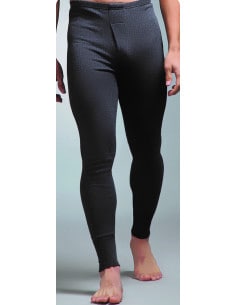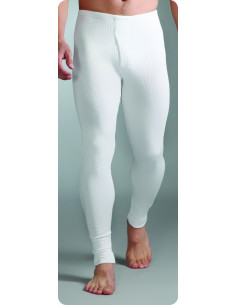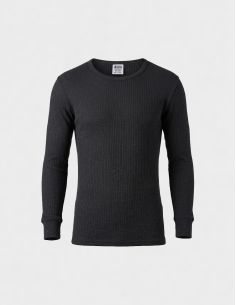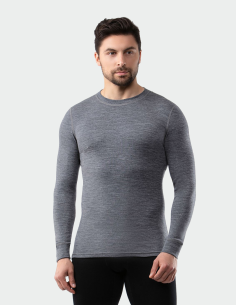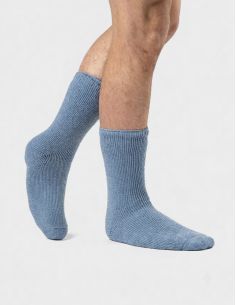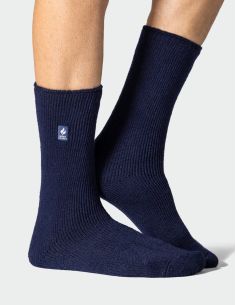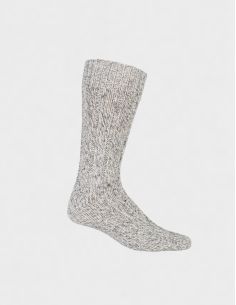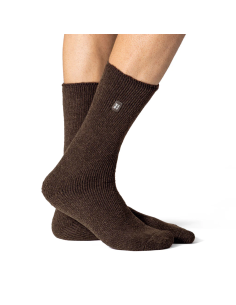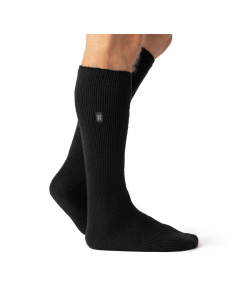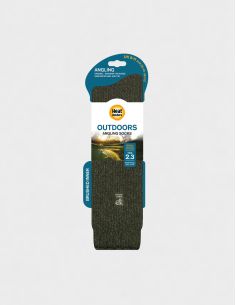
- -50° C
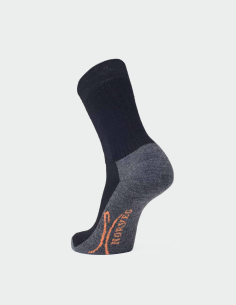
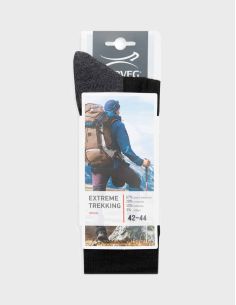
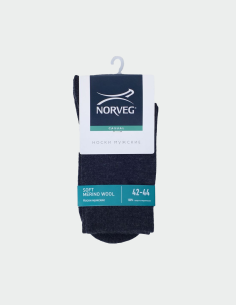
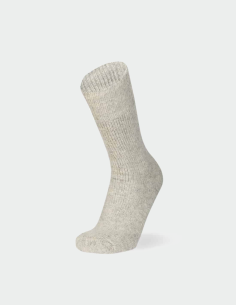
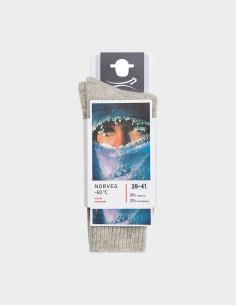
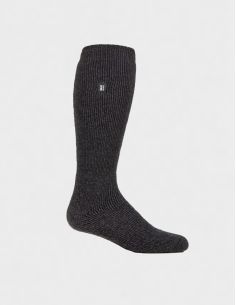
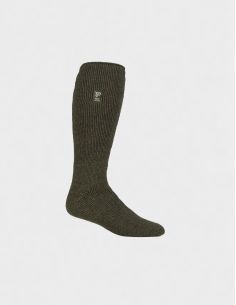
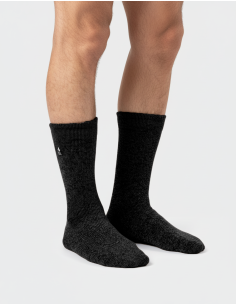
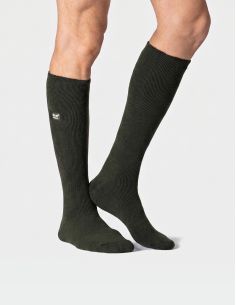
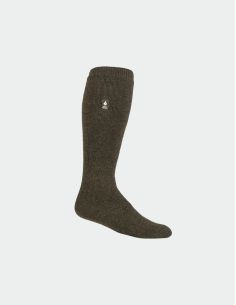
- Patented thermal fibers, guaranteed to keep your feet cool.
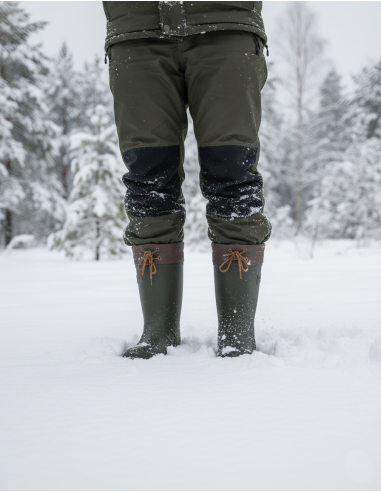
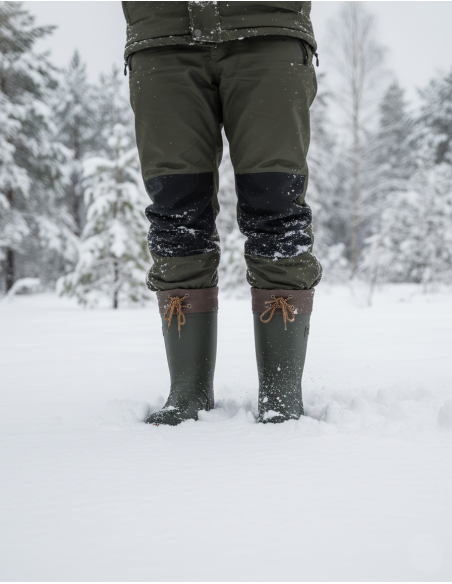
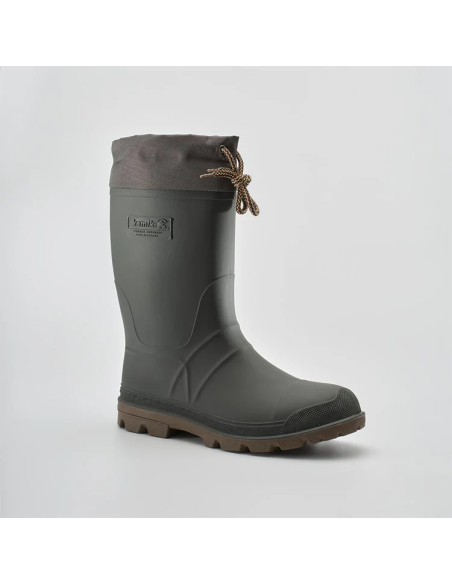
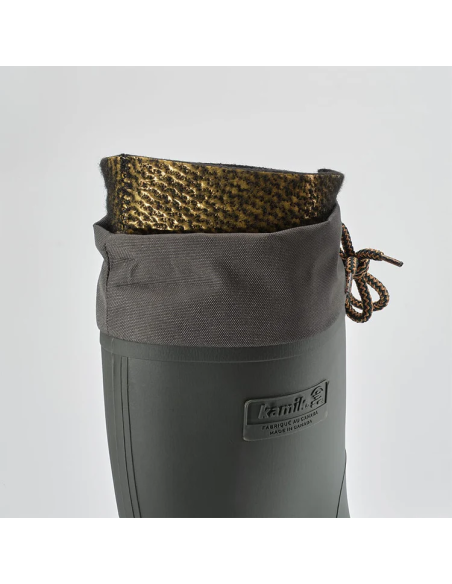
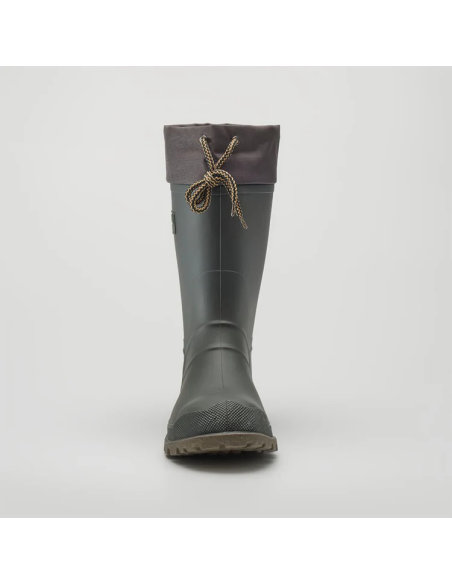
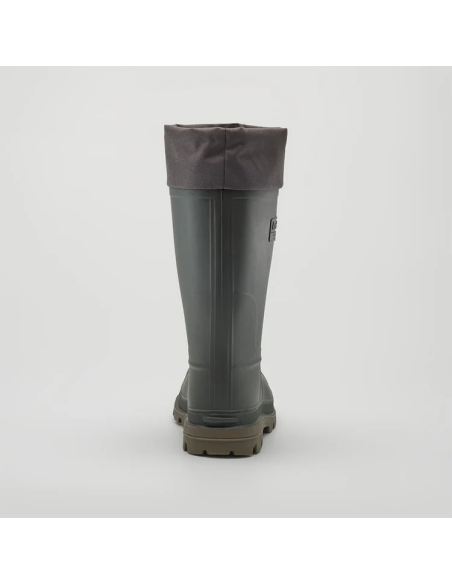
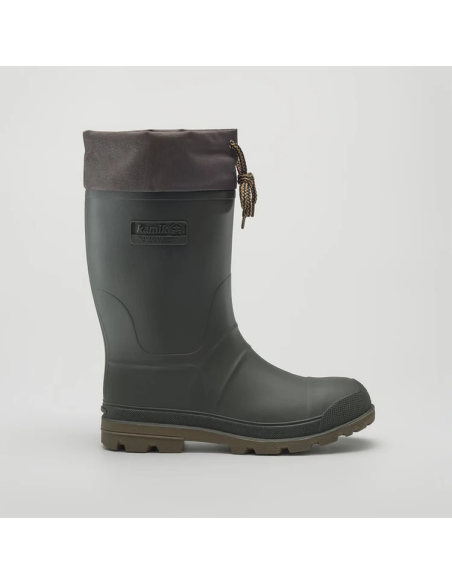
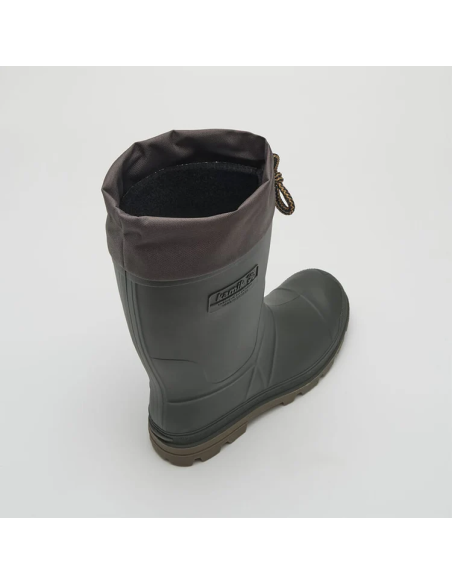
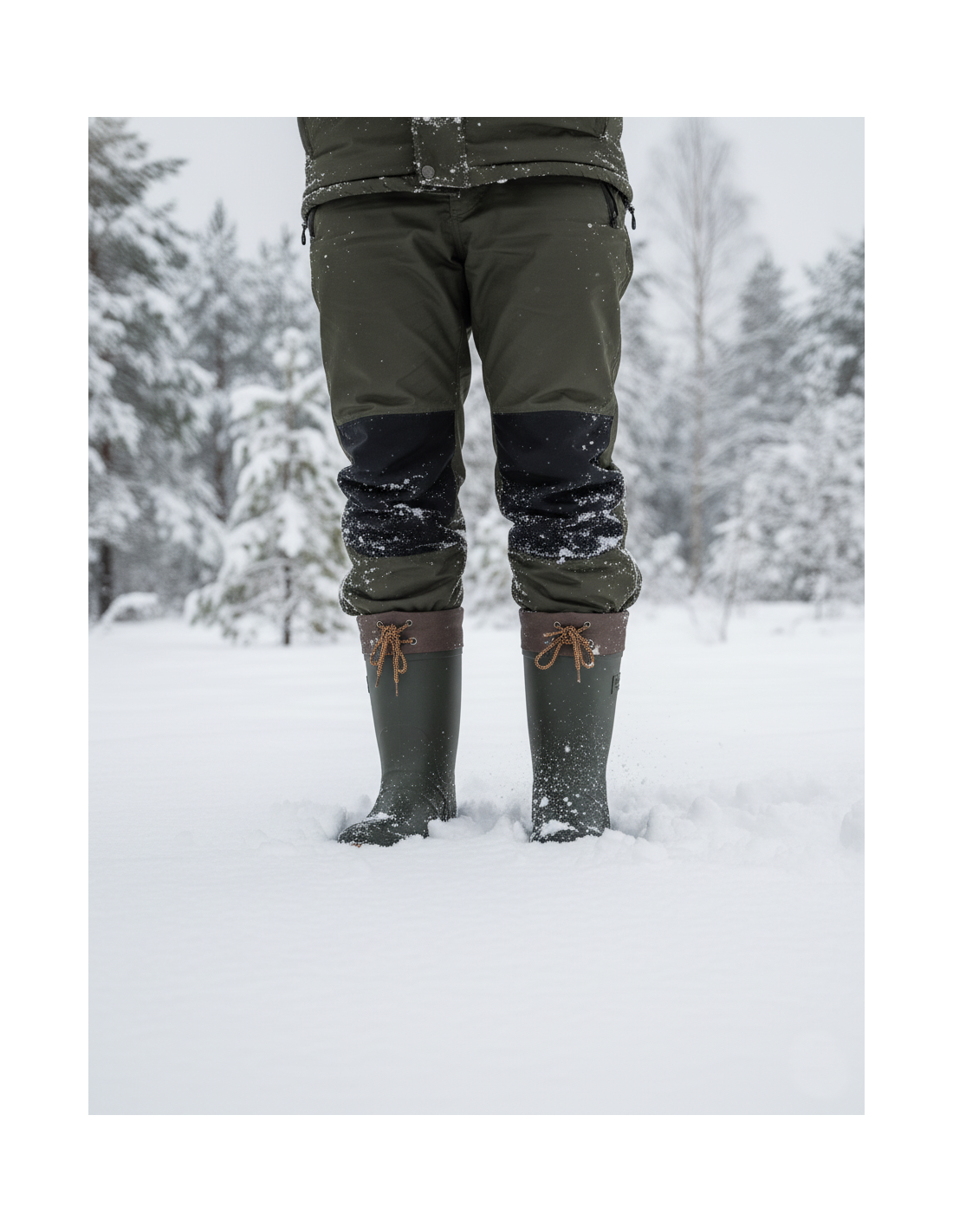
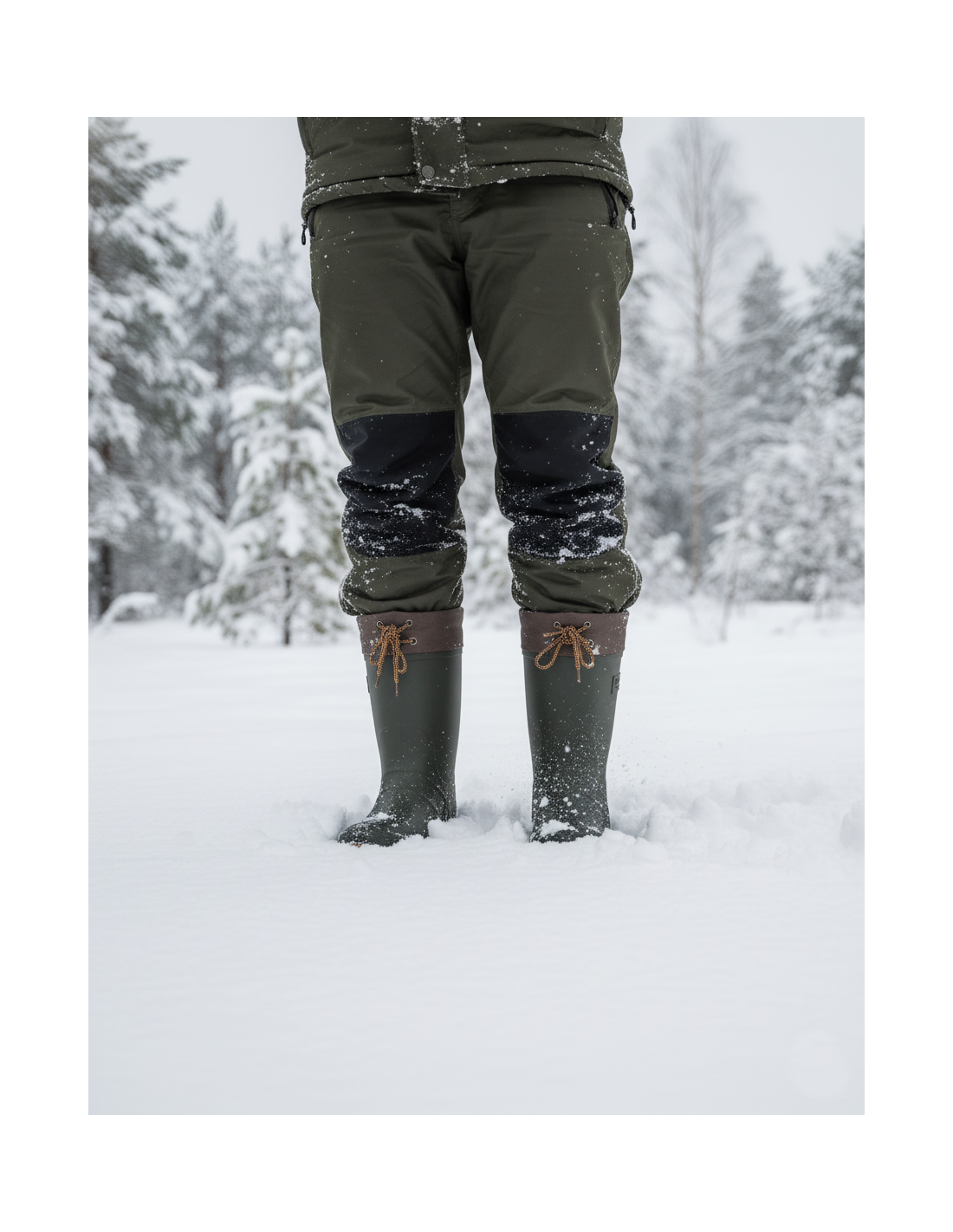
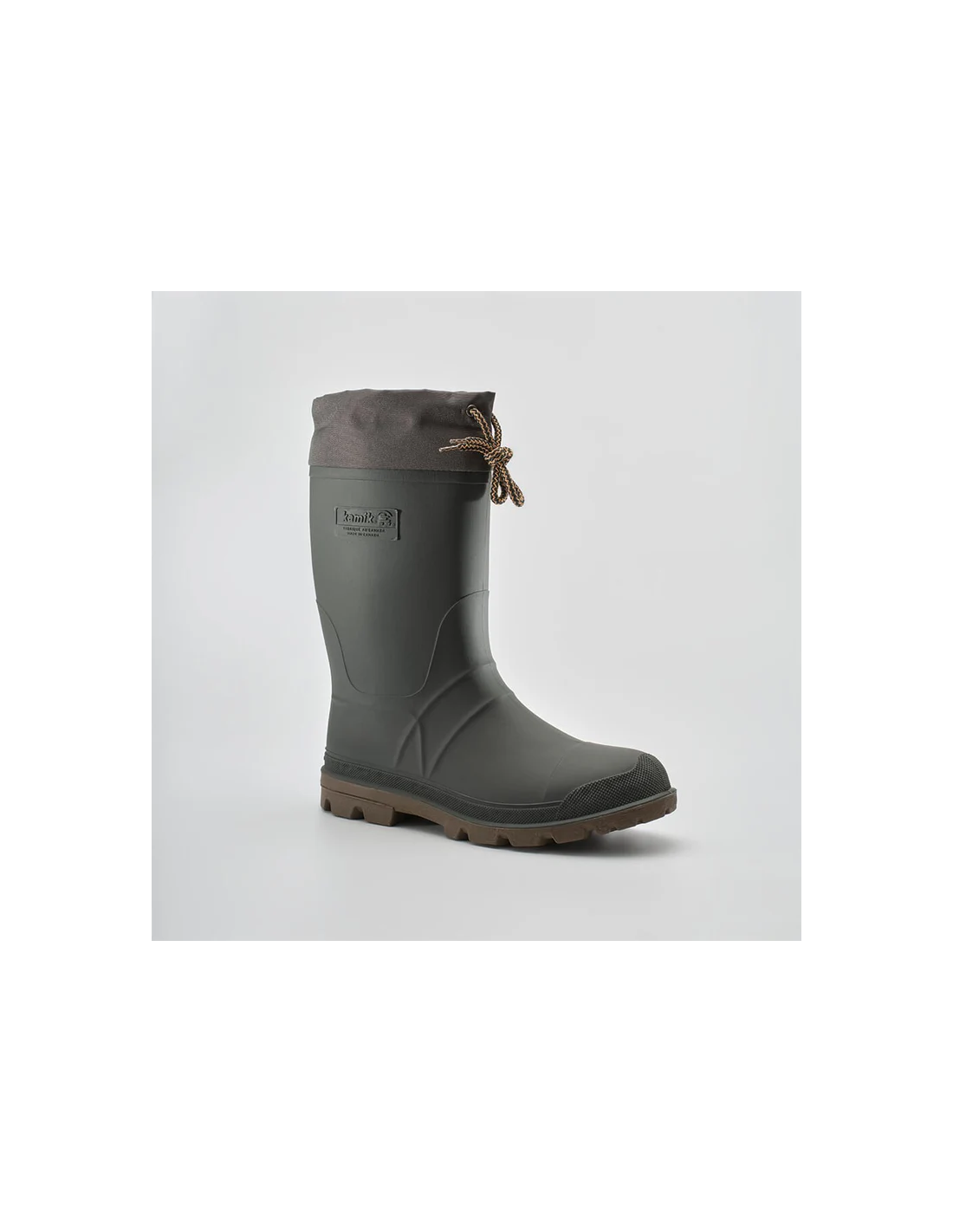
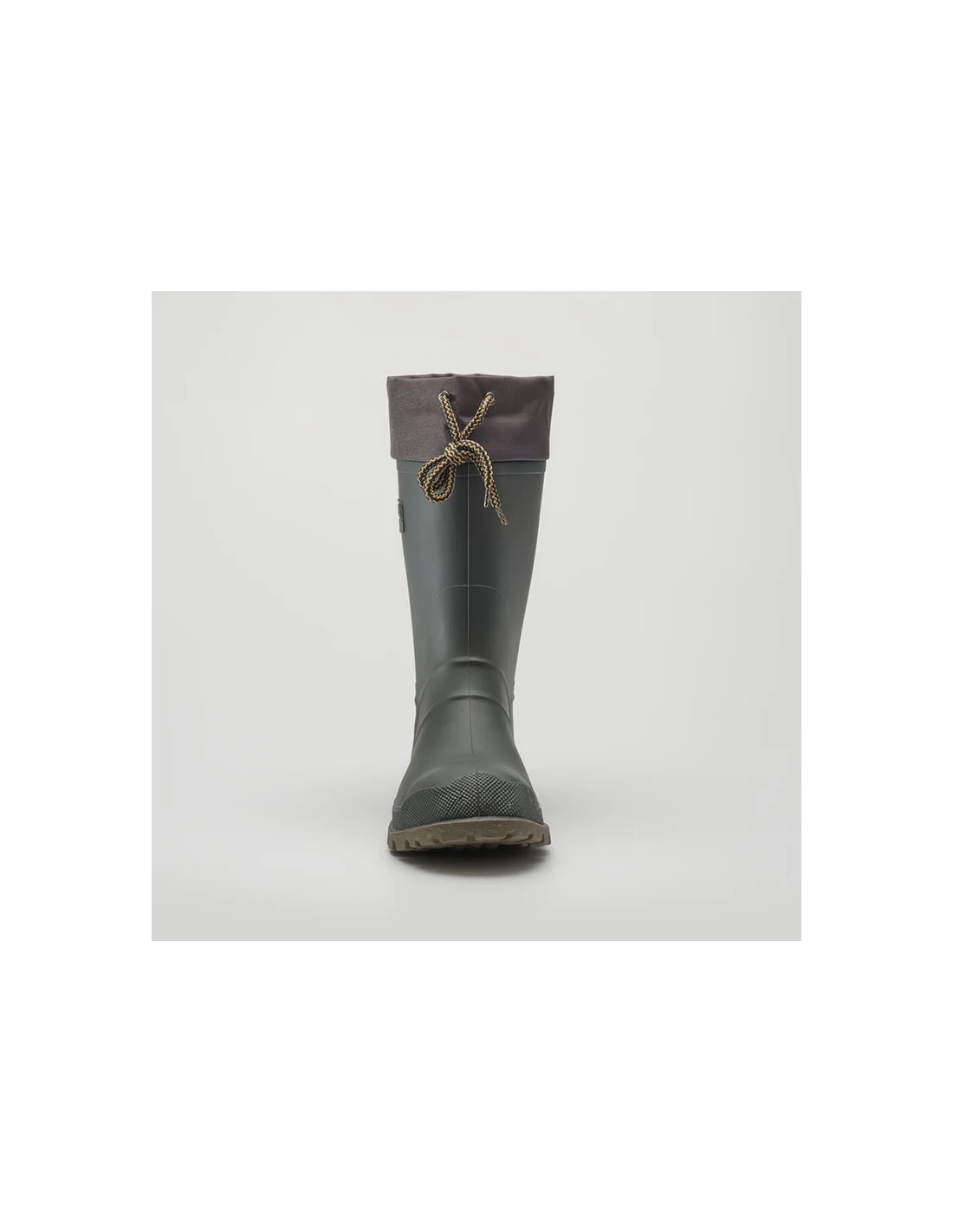
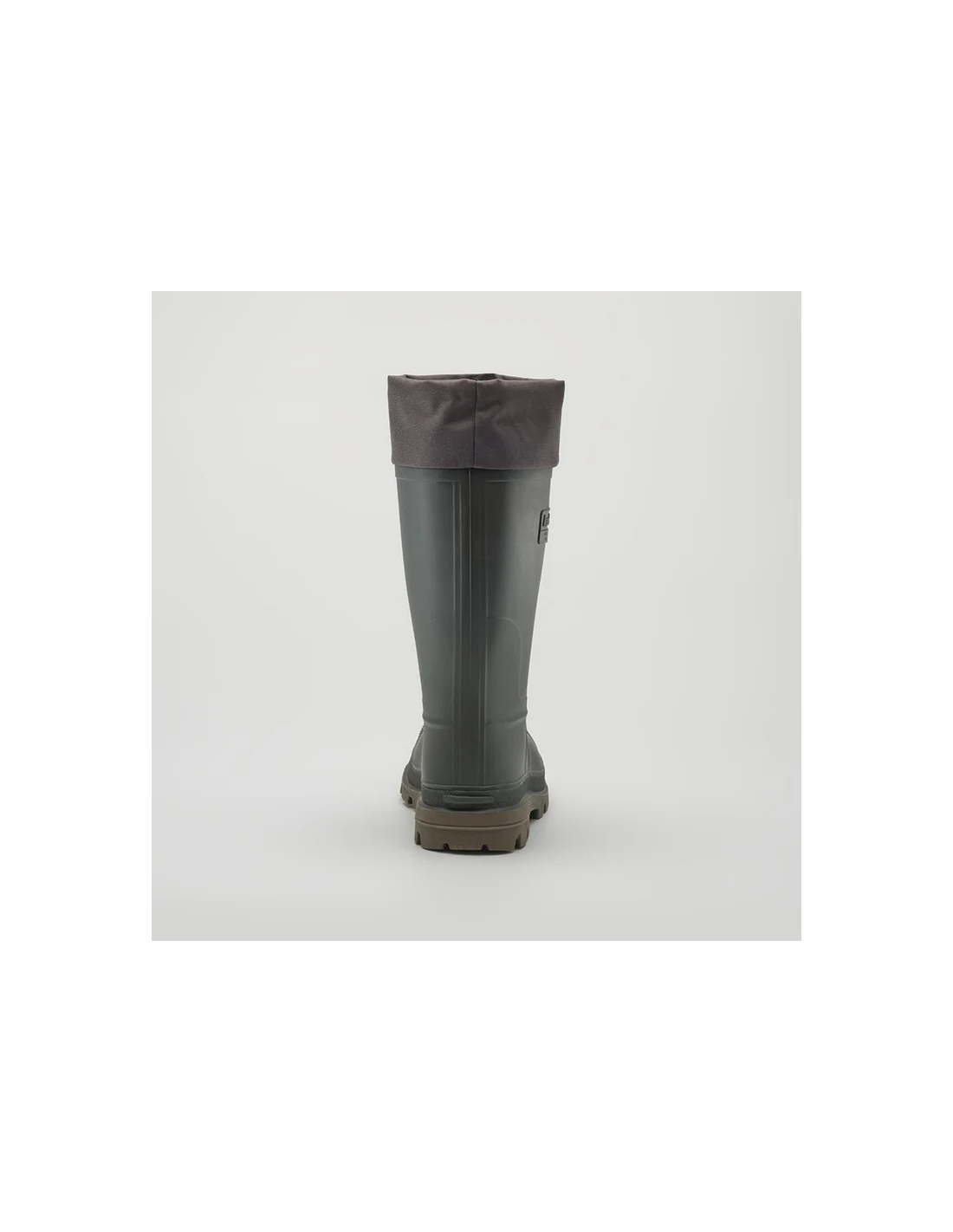
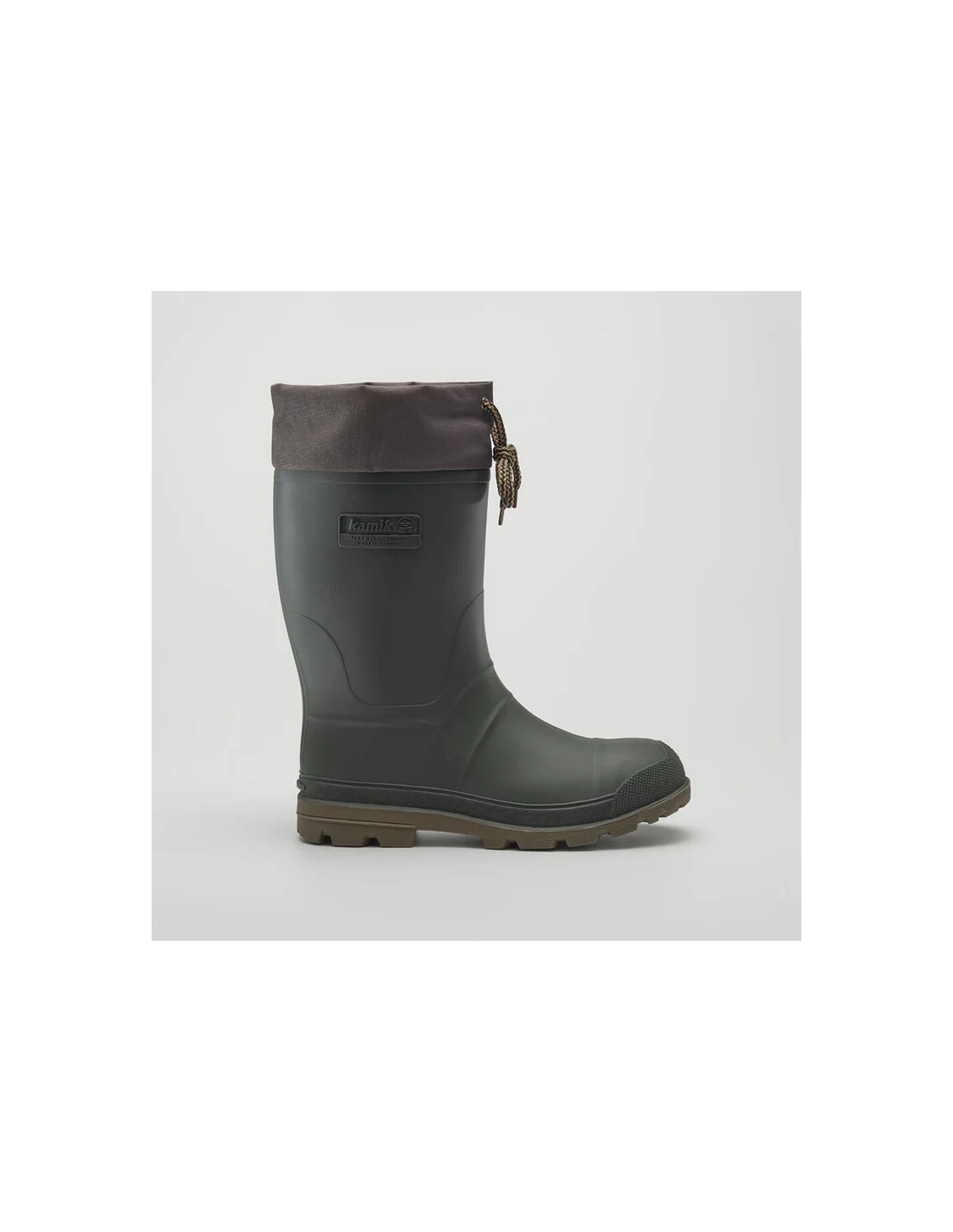
The Icebreaker is the men's rubber work boot from Kamik, Canadian boot maker since 1898. One-piece moulded RubberHe rubber, 37 cm shaft, adjustable nylon collar: water does not get through, whether slush, mud or icy water. Removable 8 mm Zylex® liner for warmth down to −40 °C / −40 °F, acid- and oil-resistant outsole. Pull-on, EU sizes 41 to 46.
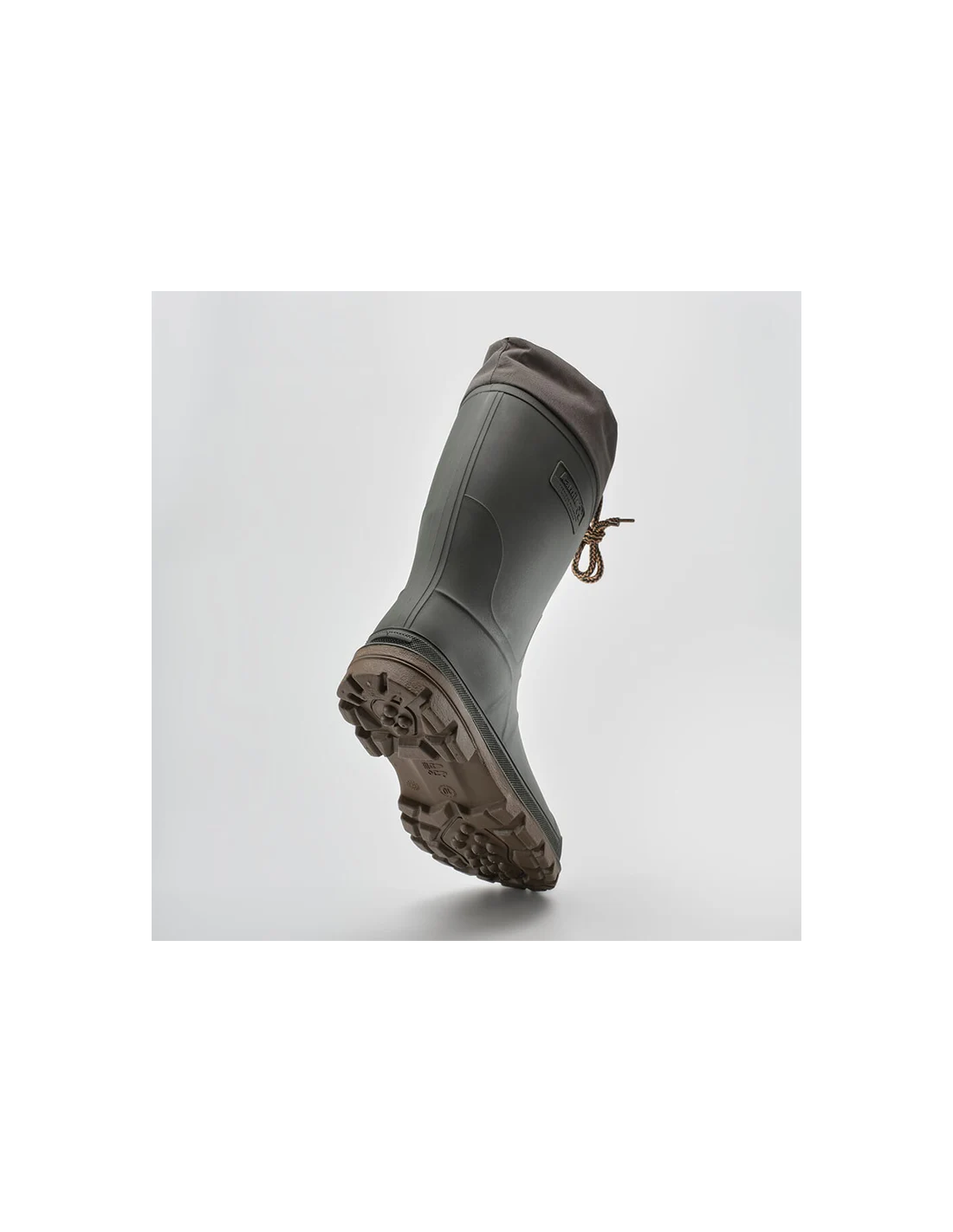
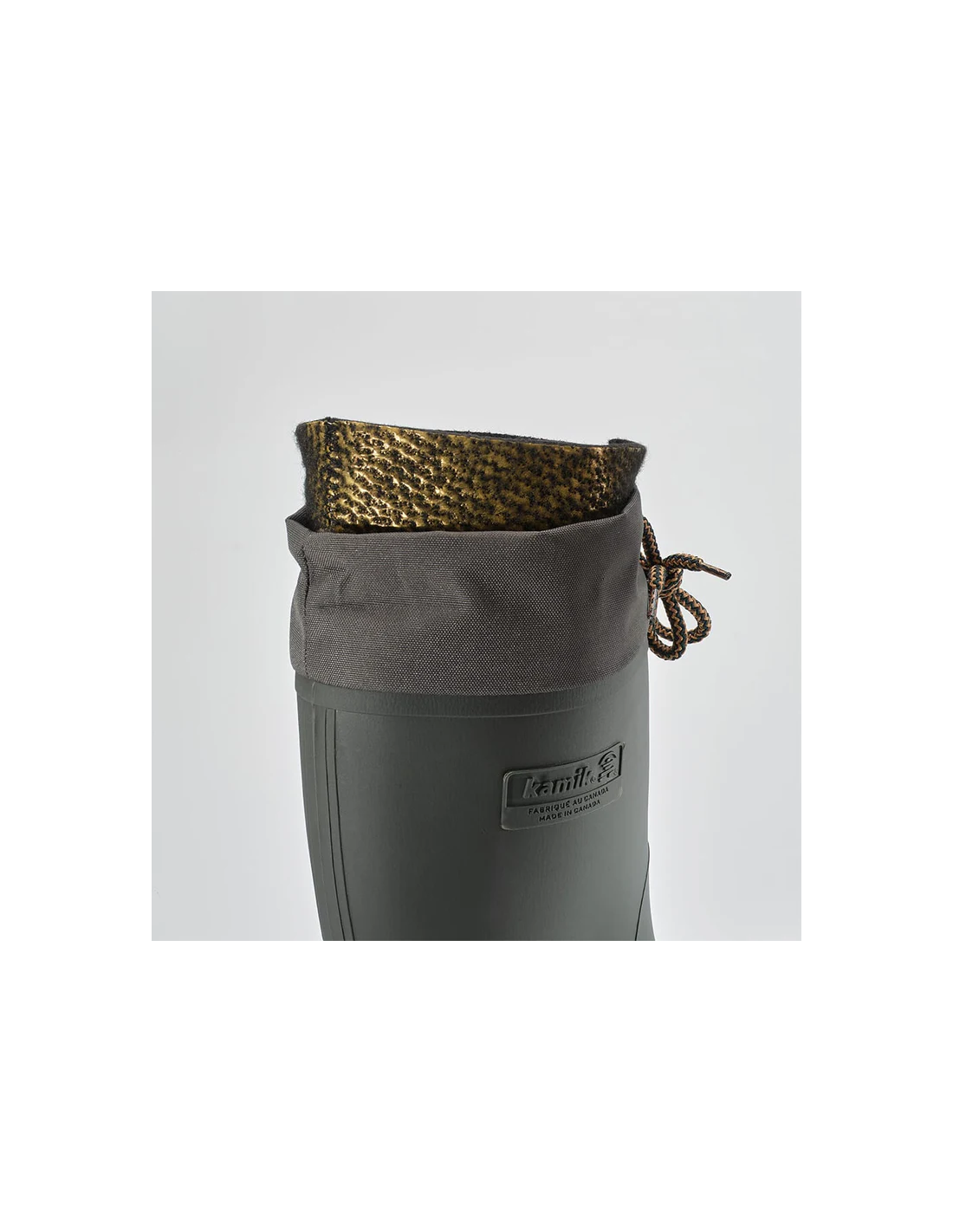
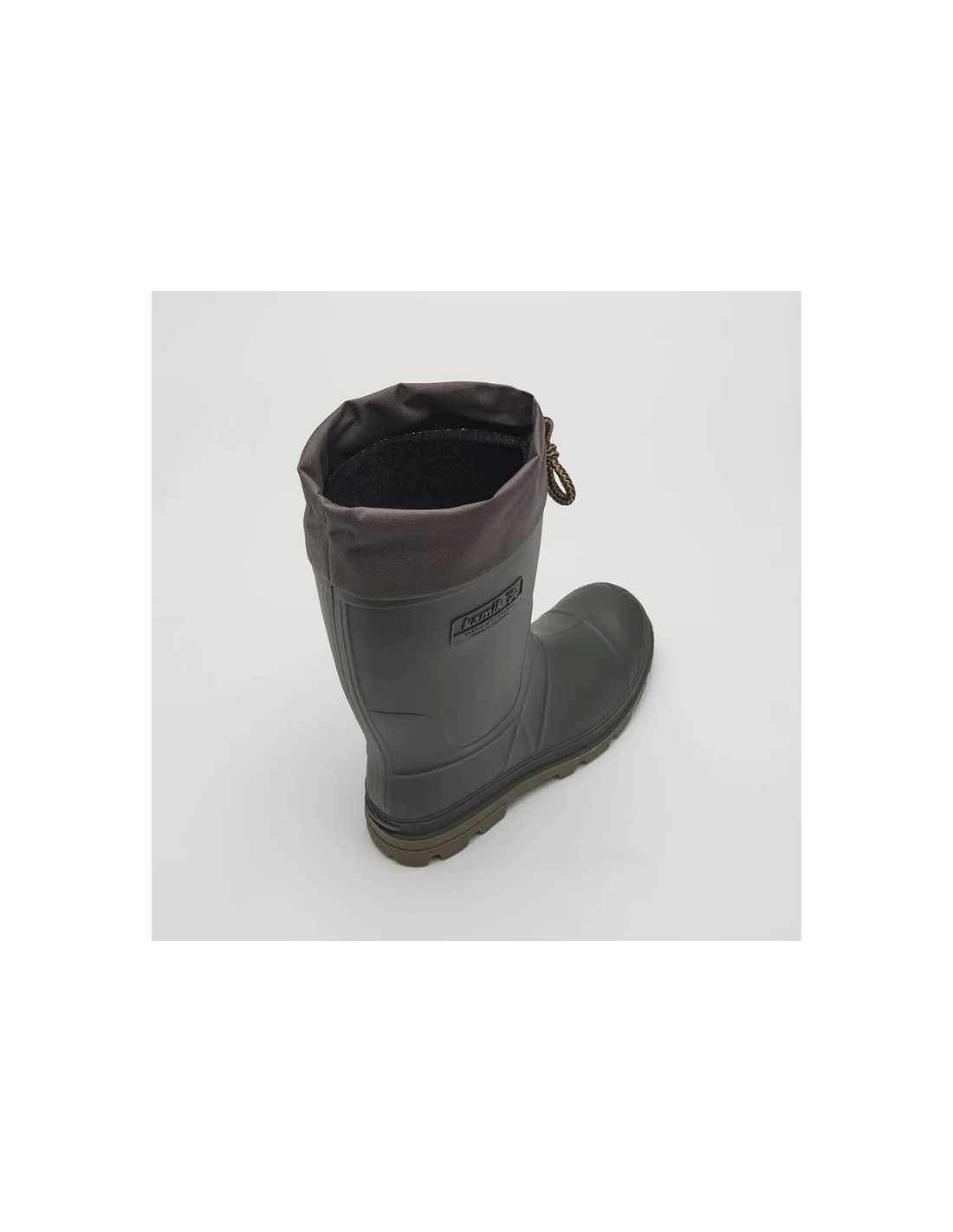
The Icebreaker is the men's rubber work boot from Kamik, the Canadian maker based in Montréal since 1898. Its one-piece moulded RubberHe rubber rises to 37 cm: no seams, no membrane, water does not get through, whether slush, mud or icy water. An adjustable 1000D nylon collar closes the top of the shaft against snow and wind.
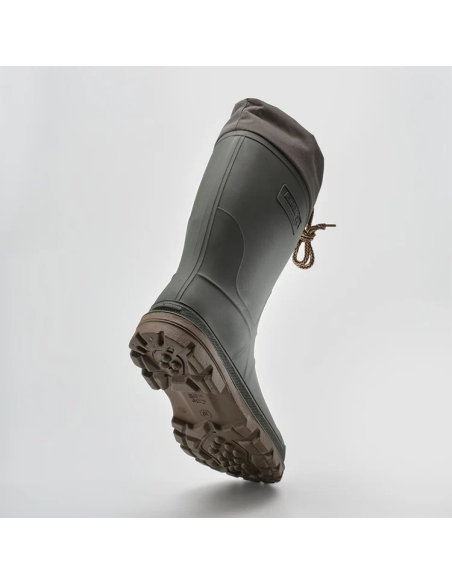
Inside, the 8 mm Zylex® liner, three layers, comes out to dry in the evening and is replaced when it wears; an 11 mm Zylex® footbed screens the foot from the ground. The TRACKER outsole resists acids and hydrocarbons, with deep lugs for mud and snow.
Pull-on, no laces. Available in EU sizes 41 to 46.
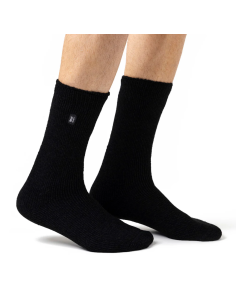
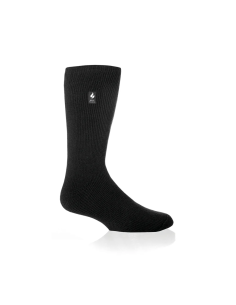
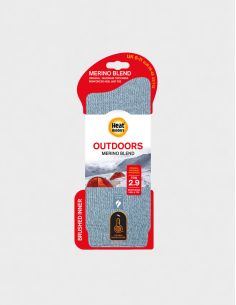
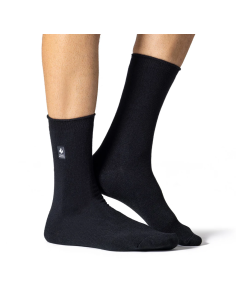
We get asked whether a rubber boot can hold −40 °C / −40 °F. On two conditions: a thick liner you pull out every evening, and room for it — one size up, with Heat Holders merino socks. The Icebreaker is the boot for days when you do not know what you will wade through: flooded ditch, muck, slush. One-piece rubber does not ask the question.
Rubber does not insulate: the 8 mm Zylex® liner provides the warmth, holding a volume of still air around the foot, and the 11 mm footbed cuts the cold from the ground. Rubber does not breathe either: perspiration stays inside; the three-layer liner keeps it away from the skin — pull it out every evening, a damp liner insulates less. The comfort rating applies on the move, with a thick sock; standing still for long periods, the size up becomes essential so as not to compress the liner.
The only construction that holds water without reservation: one-piece moulded rubber, with no seam to seal and no membrane to look after. The removable Zylex® liner brings the warmth rubber does not give; it is replaced when the boot itself is still sound. It is the Canadian work boot in its most rustic form — and its most durable.
Why the feet lose heat first:
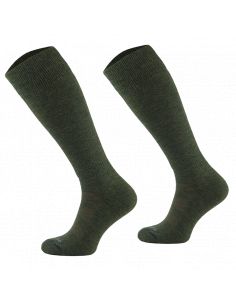
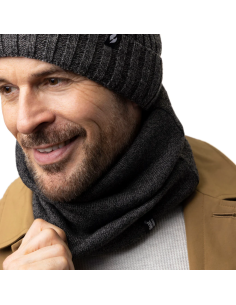
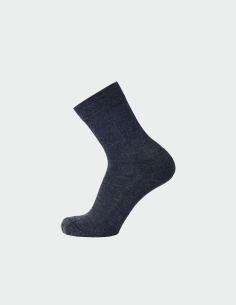
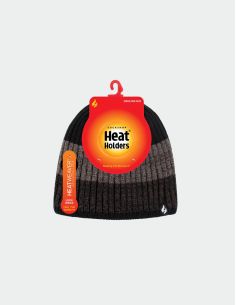
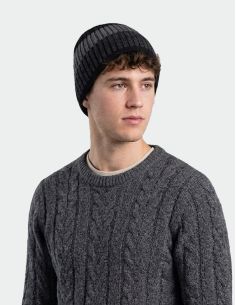
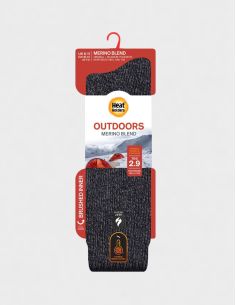
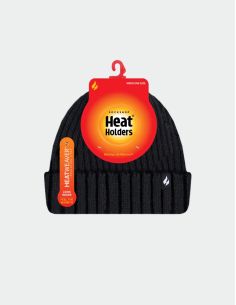
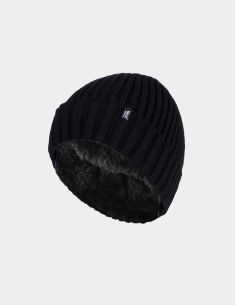
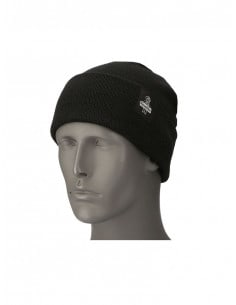
Feet that stay cold often point to heat lost elsewhere — cover the head first. Under the boot, the Heat Holders long merino socks complete the system. A rubber boot does not die of wear, it dies of the stove and the sun: stored upright in the shade, it lasts ten winters.
* Indicative temperature. Perceived warmth varies with activity, body type, humidity, wind and the layers worn underneath.
You might also like