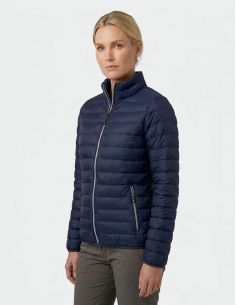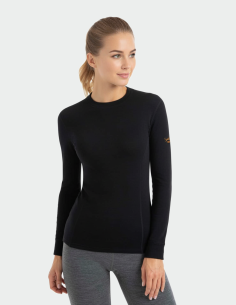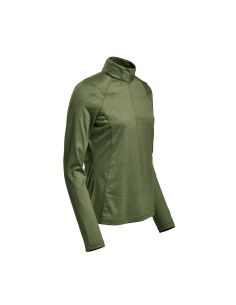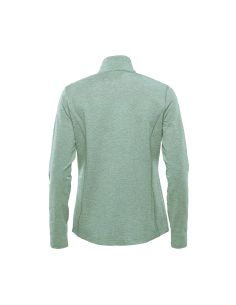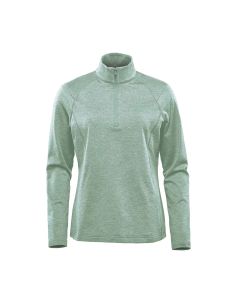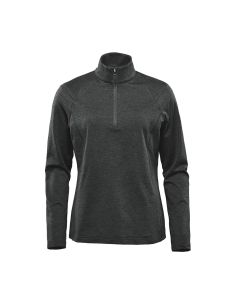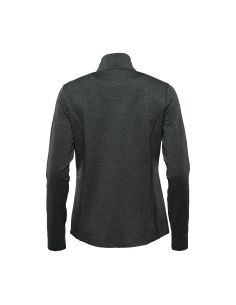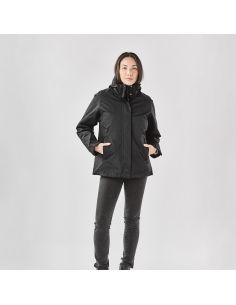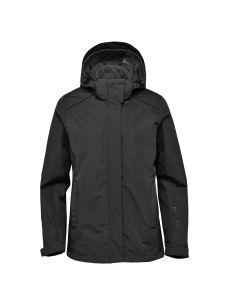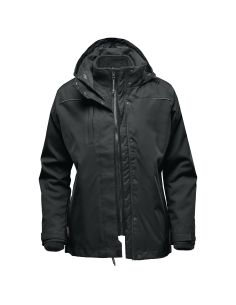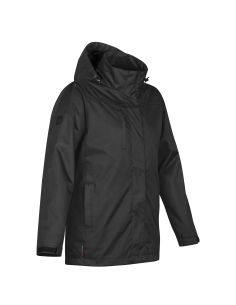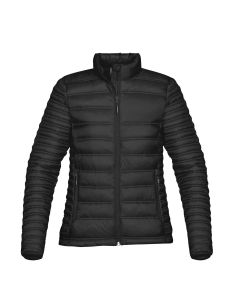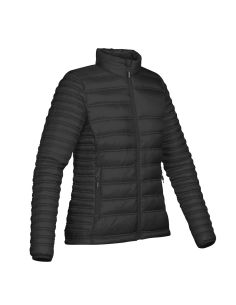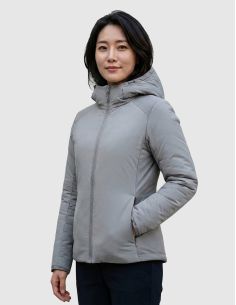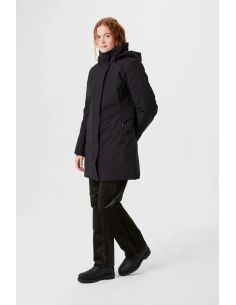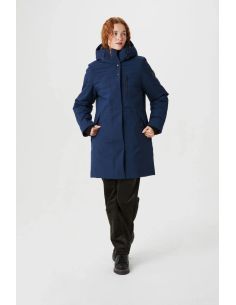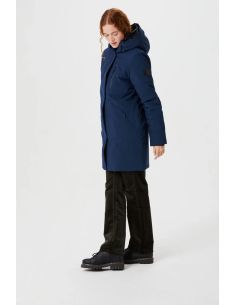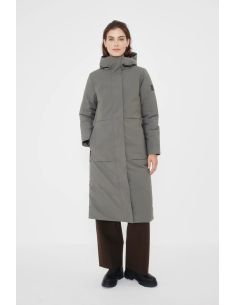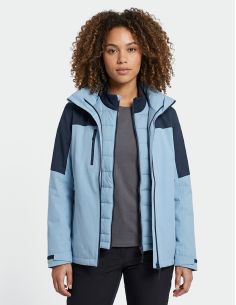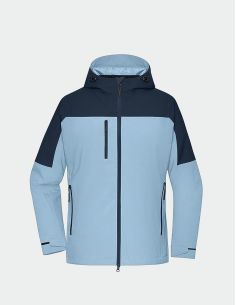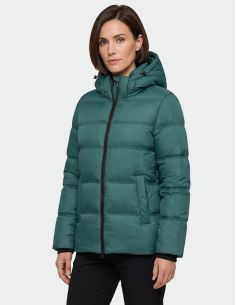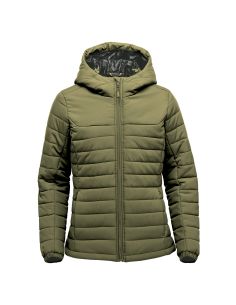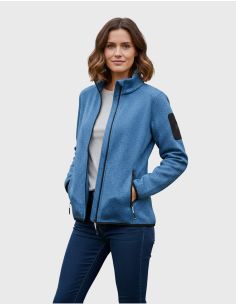
- -15° C
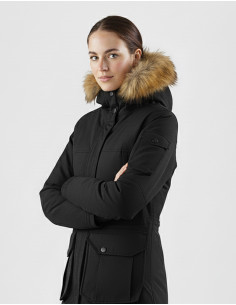
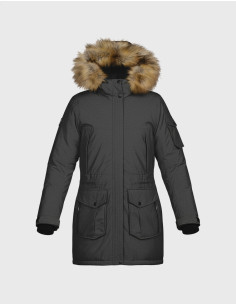
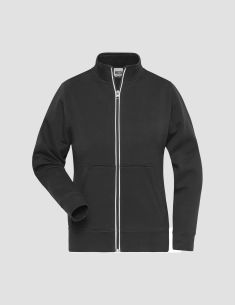
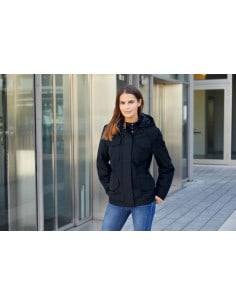
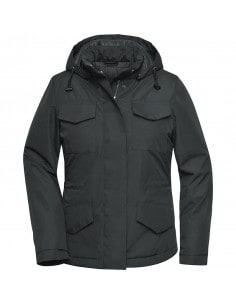
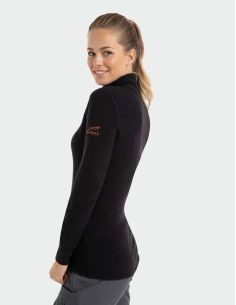
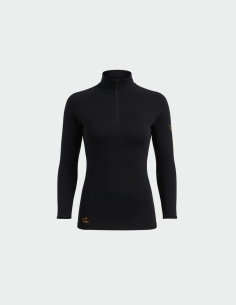
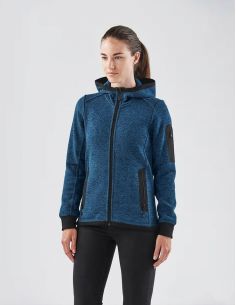
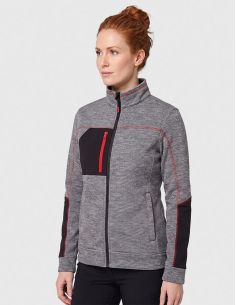
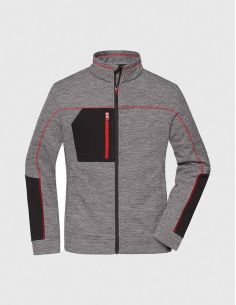
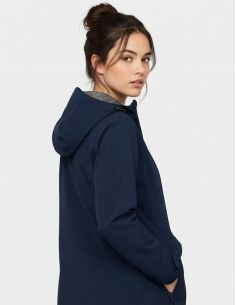
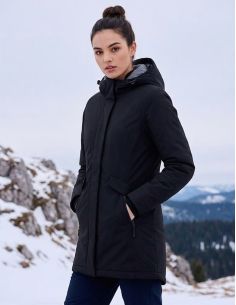
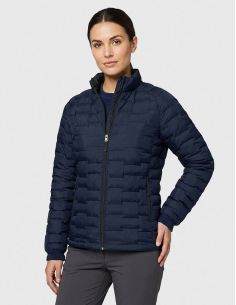
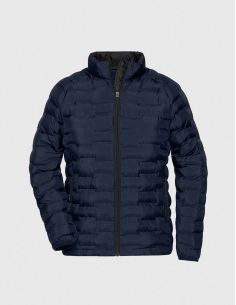
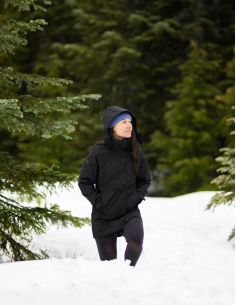
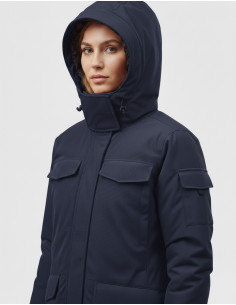
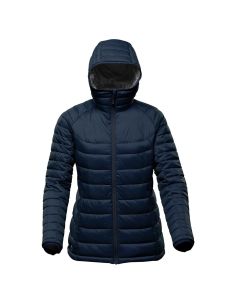
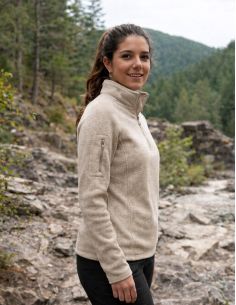
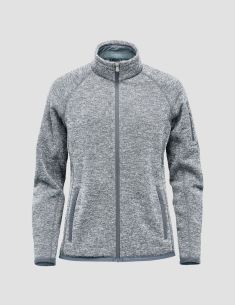
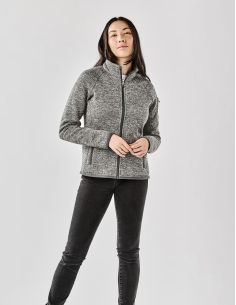
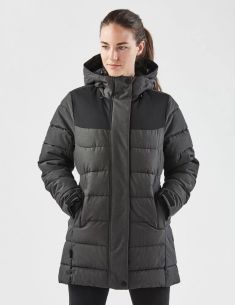
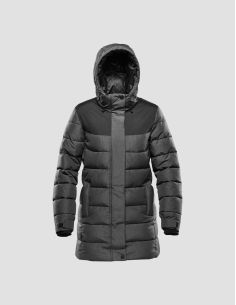
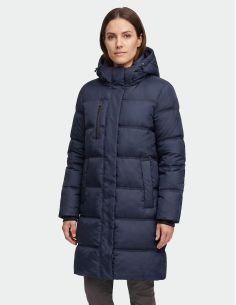
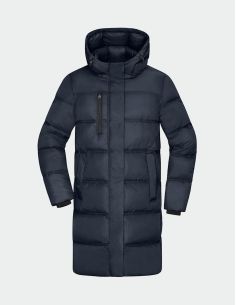
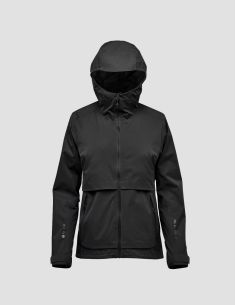
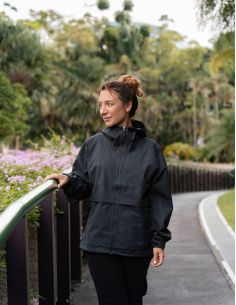
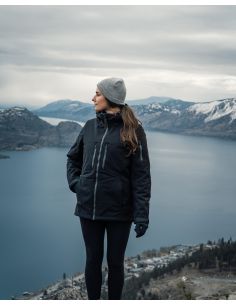
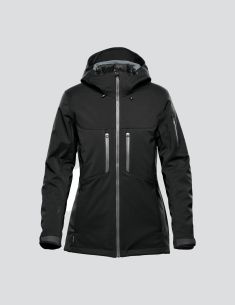
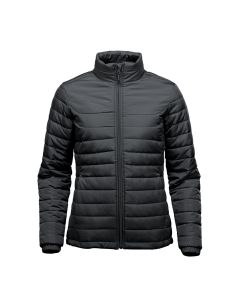
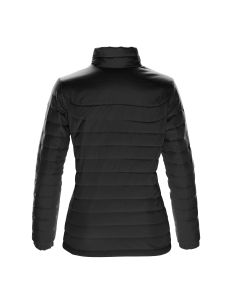
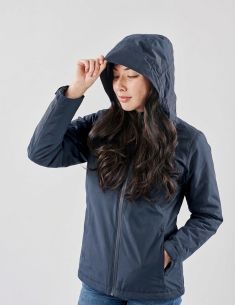
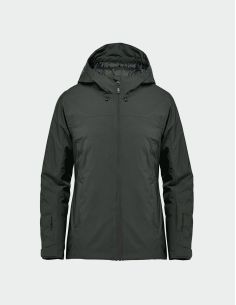
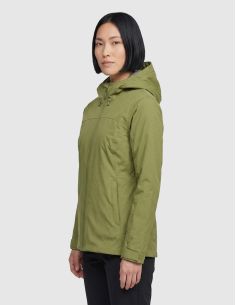
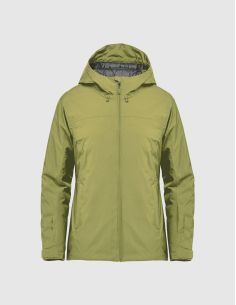
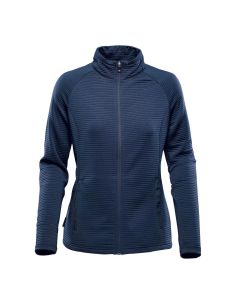
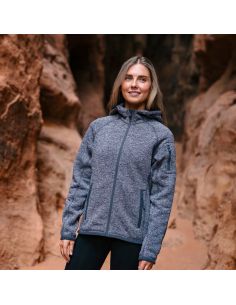
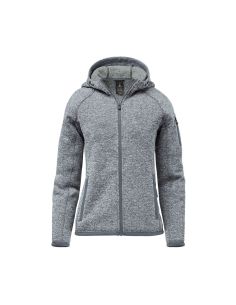
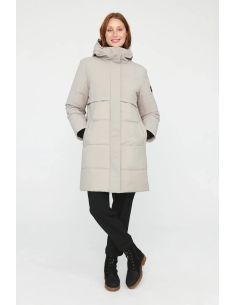
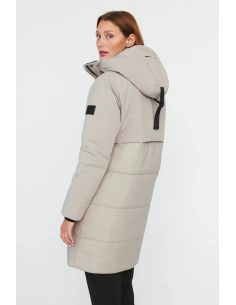
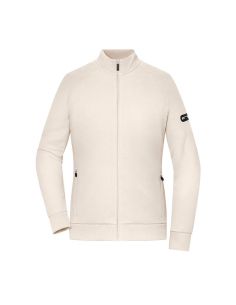
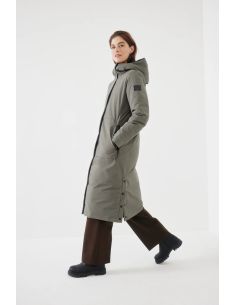
- This jacket will offer you an effective protection against wind and cold.
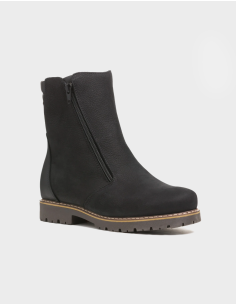
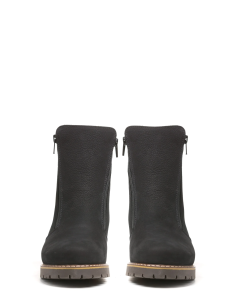
The Timber is the women's neoprene and rubber winter boot from Kamik, Canadian boot maker since 1898. 5 mm neoprene for upper and lining, injected rubber base: water does not get through, whether mud, muck or slush, and neoprene insulates even when wet, down to −20 °C / −4 °F. 30 cm shaft, pull handles, reflective binding. EU sizes 38 to 41.
The Timber is the women's neoprene and rubber winter boot from Kamik, the Canadian maker based in Montréal since 1898. Its 5 mm neoprene upper, stretching four ways, also forms the lining: one material that insulates and lets no water through. The injected rubber base, moulded straight onto the upper, rises to mid-shaft and holds off mud and slush.
A 30 cm shaft covers the calf; two pull handles at the back let you get it on and off without bending over laces. Inside, a removable algae-based EVA foam footbed screens the foot from the cold ground, backed by an extra foam layer, also removable. A reflective binding runs along the shaft.
Pull-on, no laces. Available in EU sizes 38 to 41.
Neoprene is the material of diving wetsuits: it insulates even when wet, it follows the calf, it fears neither muck nor icy water. That is what makes the Timber the boot for stables and farms in a northern winter — pull it on by the handles, hose it down, put it back on. With Heat Holders ORIGINAL socks underneath, it lasts the morning at −20 °C / −4 °F.
The 5 mm neoprene insulates by its structure: a closed-cell foam that traps air, effective even soaked, with no liner or added insulation. The removable footbed and its foam layer cut the cold from the ground, where heat leaves first when you stand. Neoprene does not breathe: perspiration stays inside; the sock is what keeps it away from the skin — choose a thick wool or thermal-fibre sock, never cotton. The comfort rating applies in light activity; for hours standing still in dry cold, a boot with a thick liner insulates more.
The boot for the wet winter: where leather marks and nylon takes on water, neoprene and rubber ask for nothing but a hose. One material for upper and lining, no liner to dry, handles to pull it on in thirty seconds. It is the boot you leave at the stable door and find ready the next day.
Why the feet lose heat first:
Feet that stay cold often point to heat lost elsewhere — cover the head first. Under the boot, the Heat Holders ORIGINAL women's socks complete the system. A neoprene boot does not wear out, it cooks: away from the stove and the sun, it lasts winters.
* Indicative temperature. Perceived warmth varies with activity, body type, humidity, wind and the layers worn underneath.
You might also like