


Your cart
There are no more items in your cart
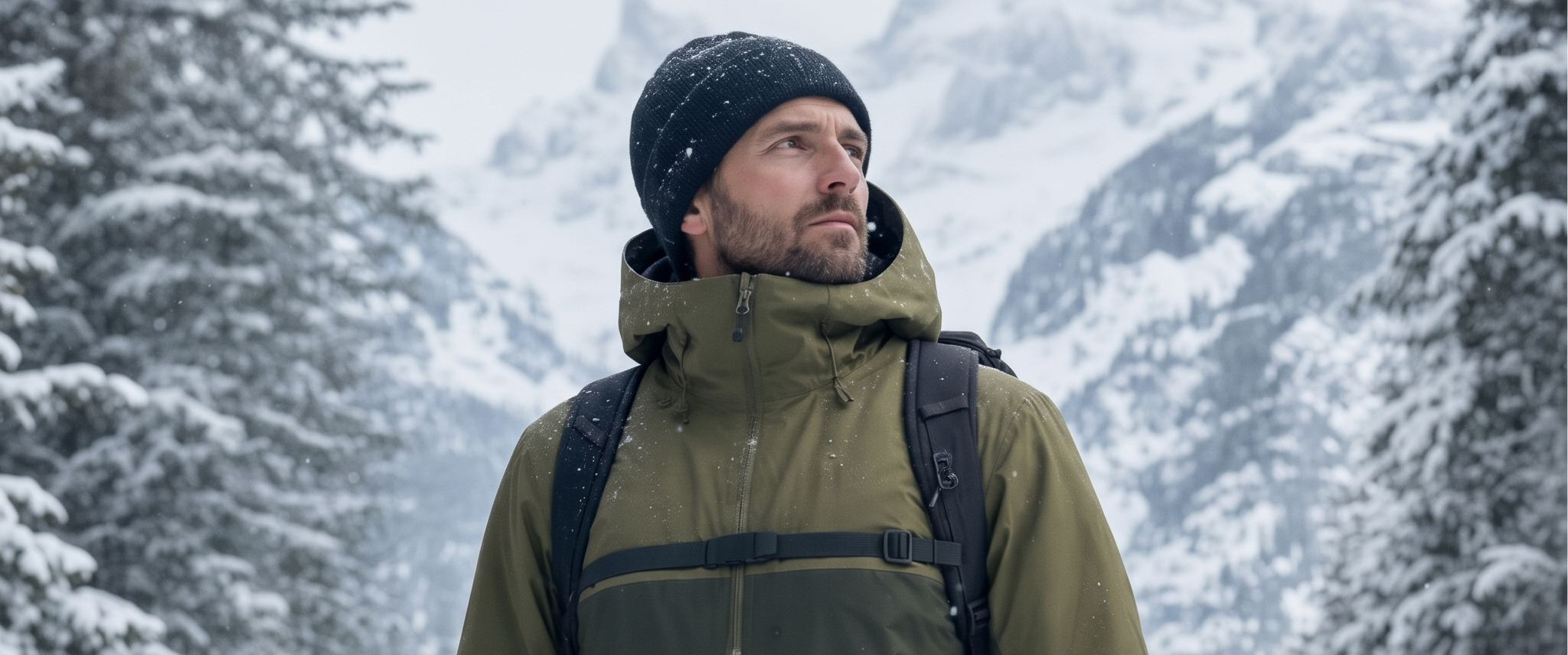
How should you dress for a polar trip so you don’t sweat during exertion or get cold when you stop? You need to combine layers that wick away moisture, insulate the body and block the wind.
Key takeaways
- The base layer must wick away sweat, because damp skin cools quickly when activity slows down.
- An insulating layer traps warm air, but it must stay suited to the intensity of the effort.
- The outer layer blocks the wind and keeps snow out without trapping all the moisture coming from inside.
- Hands and feet need particular attention, because they get cold quickly when they stay still.
Why the layering method works better than a single garment
The layering method works better than a single garment because it lets you adjust insulation to match exertion and breaks. It also separates moisture management from wind protection, two needs that change over the course of a single day.
A single very warm garment may suit a long wait, but it often becomes too insulating during a walk or physical activity. Sweat then stays close to the body. When you stop, this moisture draws heat away and makes you feel colder.
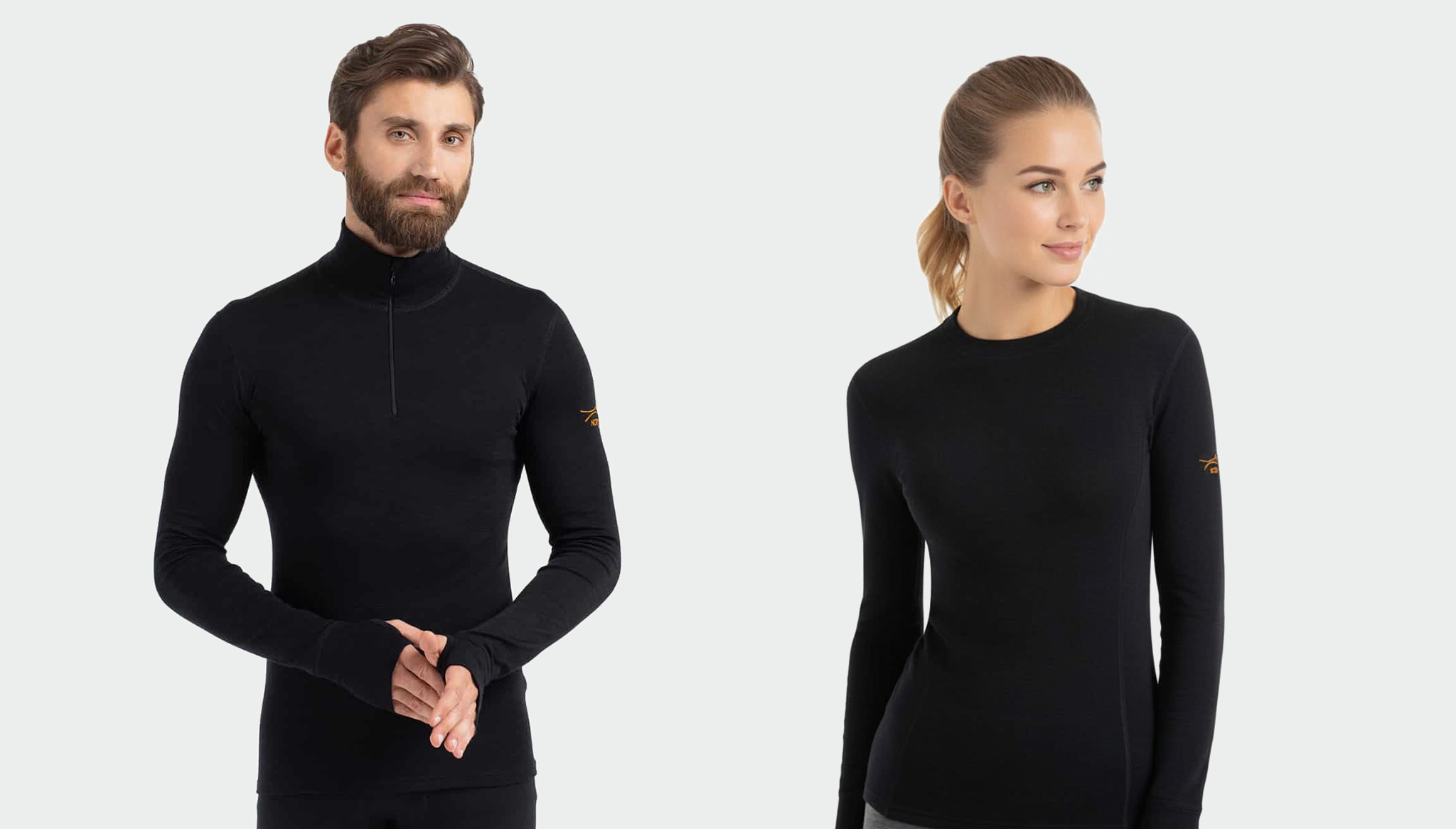
A thermal underwear base layer is essential to retain body heat and wick away moisture
We recommend a base layer next to the skin, followed by an insulating layer and an outer shell. This setup lets you remove a layer before you start sweating, then put it back on during a break. Keeping a dry layer for quieter moments also saves you from setting off again in a damp garment.
Which materials to choose for the base layer
The base layer must move sweat away from the skin and dry quickly. Merino wool suits moderate exertion and long days, while a synthetic fibre generally dries faster after sustained effort.
Cotton absorbs moisture and dries slowly. It may be fine for low-exposure everyday use, but it is poorly suited to a trip in the cold when activity makes you sweat. Once damp, it feels cold against the skin.
The cut matters as much as the material. Thermal underwear should stay close to the body without squeezing the arms or legs. Folds hold moisture, while a garment that is too tight can restrict movement and reduce comfort.
How to insulate your body without trapping moisture
To insulate the body without trapping moisture, choose a versatile mid-layer. A fleece or an insulated down jacket traps the air warmed by the body, but its thickness must match the activity and the periods of inactivity.
During a walk with a backpack, a fleece may be enough under a protective jacket. During a dog-sled outing or while observing wildlife without moving, a warmer insulating layer becomes useful. We advise putting it on before the body cools down, not after the shivering starts.
Compression reduces the volume of air held in the insulation. A tight backpack or several thick layers can therefore reduce warmth on the back and shoulders. Leave enough room to move and to let the layers do their job.
Which wind and snow protection to choose
The outer layer must block the wind and stop snow from getting into your outfit. A hooded jacket protects the upper body, while suitable trousers limit cooling of the legs during snow activities.
Wind speeds up heat loss, even when the thermometer doesn’t seem very low. A breathable outer jacket limits the build-up of moisture produced under the layers. Its level of protection should match the time spent outdoors and the expected exposure.
The hood should fit over your hat without squeezing your head. Also check the cuffs and the hem of the jacket: these areas let cold air in when they are left open or poorly adjusted.
How to dress for a polar trip depending on the planned activity
To work out how to dress for a polar trip, start from the planned activity and its duration. An active walk calls for a lighter outfit than a snowmobile ride, because the body produces more heat during exertion and cools quickly when it stays seated.
For a hike, bring layers that are easy to take off and put back on. Heat builds quickly on the way up, then drops during stops. Don’t wait until you feel hot to open your jacket or remove a mid-layer.
For a stationary activity, reinforce the insulation of the torso and legs. Contact with a cold seat or the snow also draws heat away. An insulating overlayer can be put on during breaks, over the outfit worn during exertion.
Extremities need equipment suited to the task. Gloves that are too thin offer little protection at rest, while gloves that are too thick can make it hard to grip a pole or a device. For your feet, insulated boots must leave enough room for your socks and for wiggling your toes.
What clothing can’t do against the cold
Clothing cannot produce heat or make up for a damp outfit. To fully understand how to dress for a polar trip, you also need to plan adjustments throughout the day and protect the body before it gets cold.
Even an insulated parka loses some of its effectiveness if the layers underneath are wet or compressed. Nor does it replace regular meals, appropriate breaks and attention to the first signs of cooling, such as numb fingers or shivering.
Clothing does not eliminate the effects of cold on exposed areas. Cover your head when the wind picks up and keep your hands dry. If your fingers lose feeling, end the exposure and rewarm them gradually in a sheltered place.
Frequently asked questions
Should you wear several pairs of socks on a polar trip?
Wearing several pairs of socks only helps if the boot still has enough room. A compressed foot moves less and can get cold. It’s better to choose a sock suited to the cold and a boot wide enough to leave air around the foot.
What should you wear for a snowmobile ride?
A snowmobile ride calls for extra wind protection, because the body often stays fairly inactive. Bring a dry base layer, a warm insulating layer and a protective outer jacket. Also protect your face, hands and feet from the cold air.
Why am I cold even though I’m wearing a down jacket?
A down jacket may not be enough if your base layers are damp, if the layers are compressed or if wind gets in through the openings. The cold can also come from your hands and feet. Check your whole outfit, then adapt your layers to the effort.