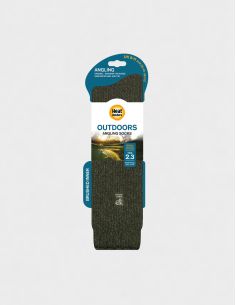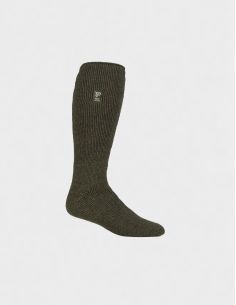
- -50° C
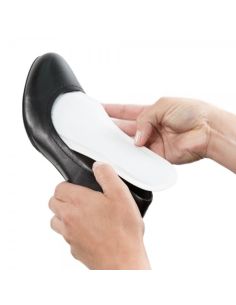
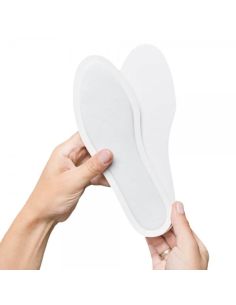
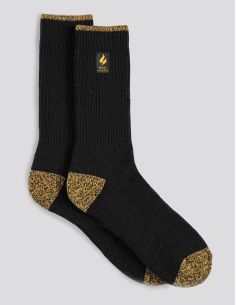
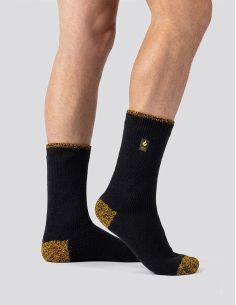
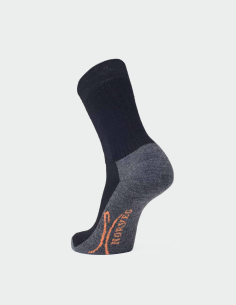
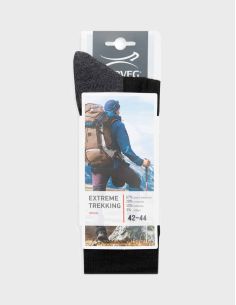
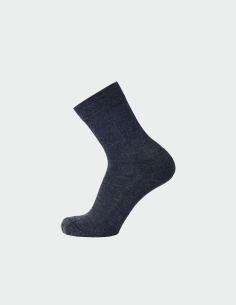
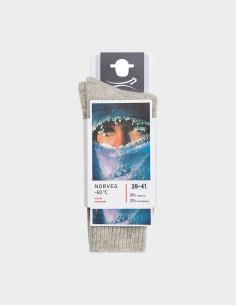
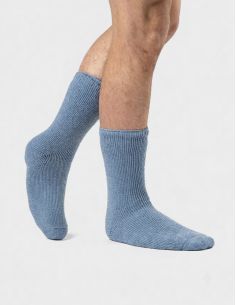
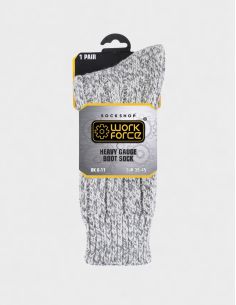
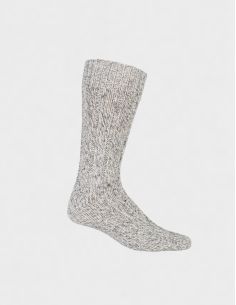
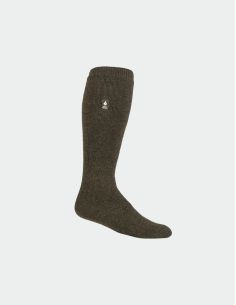
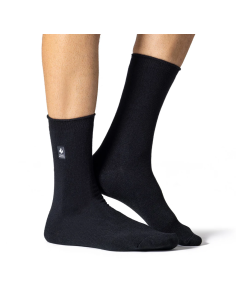
- Patented thermal fibers, guaranteed to keep your feet cool.
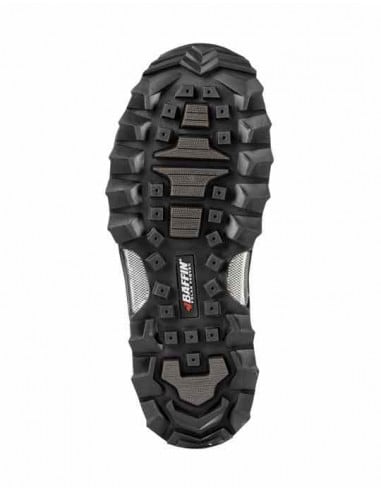
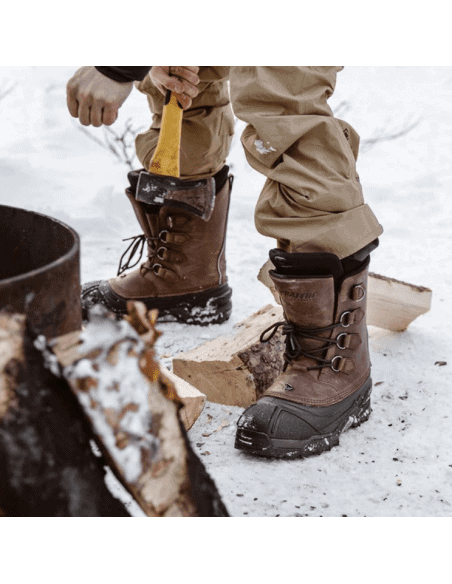
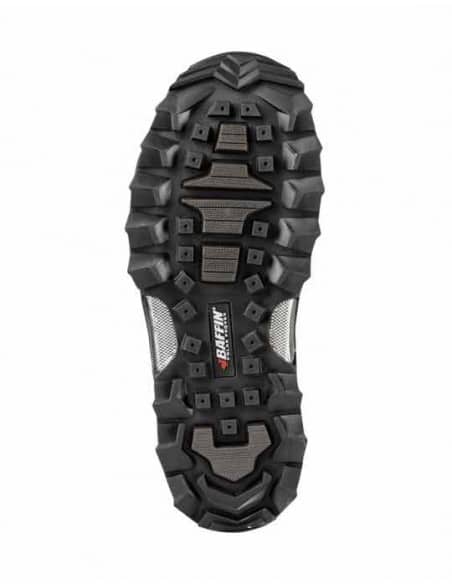
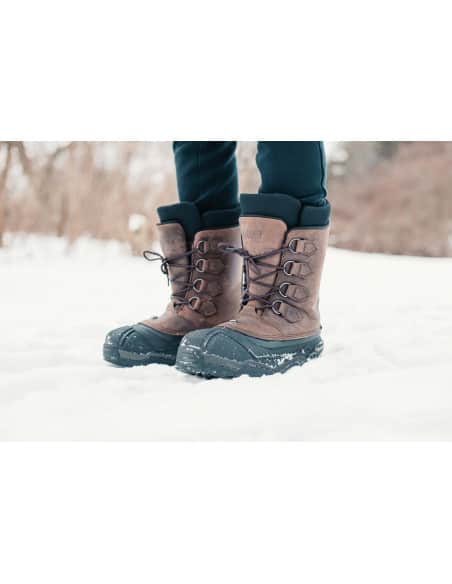
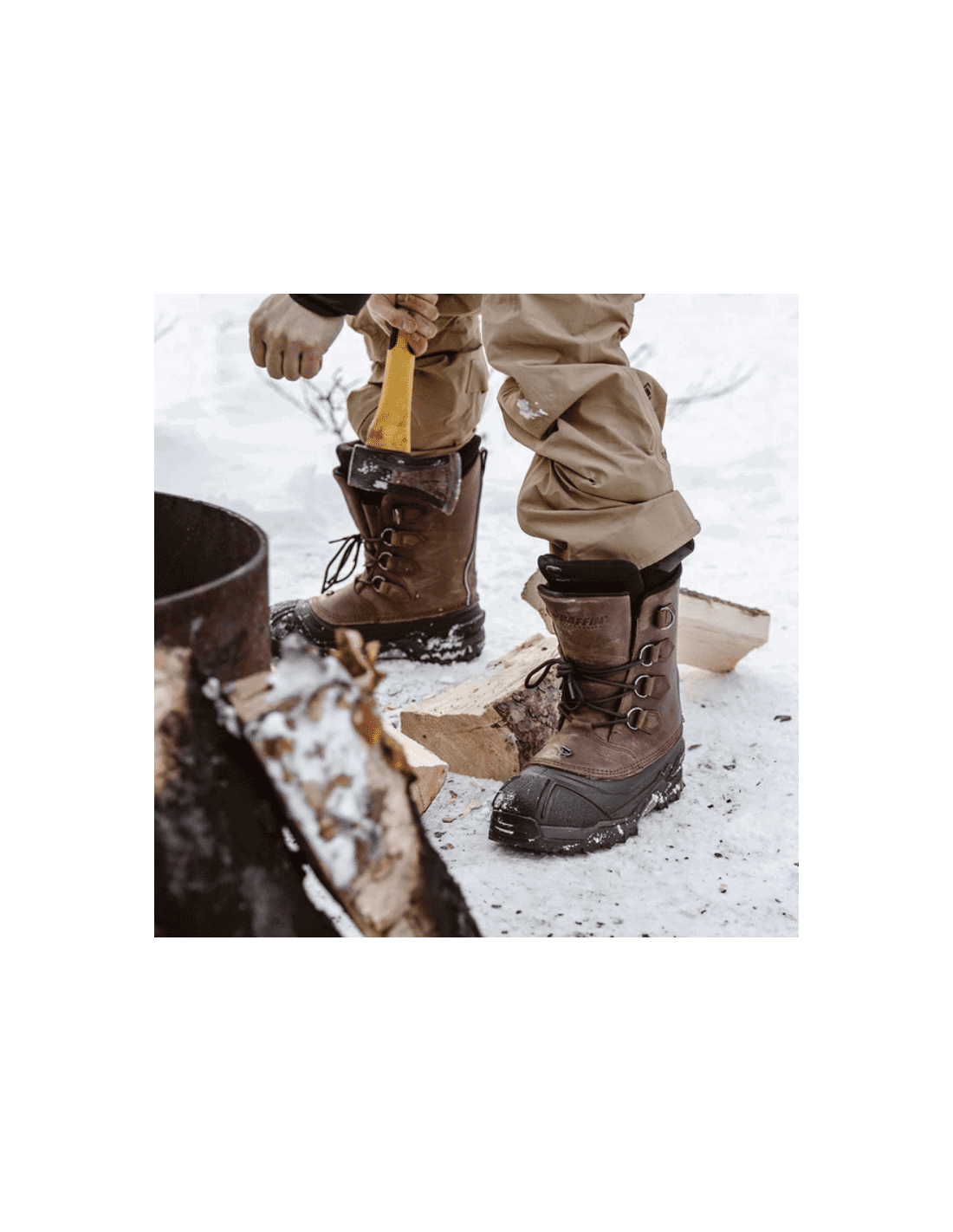
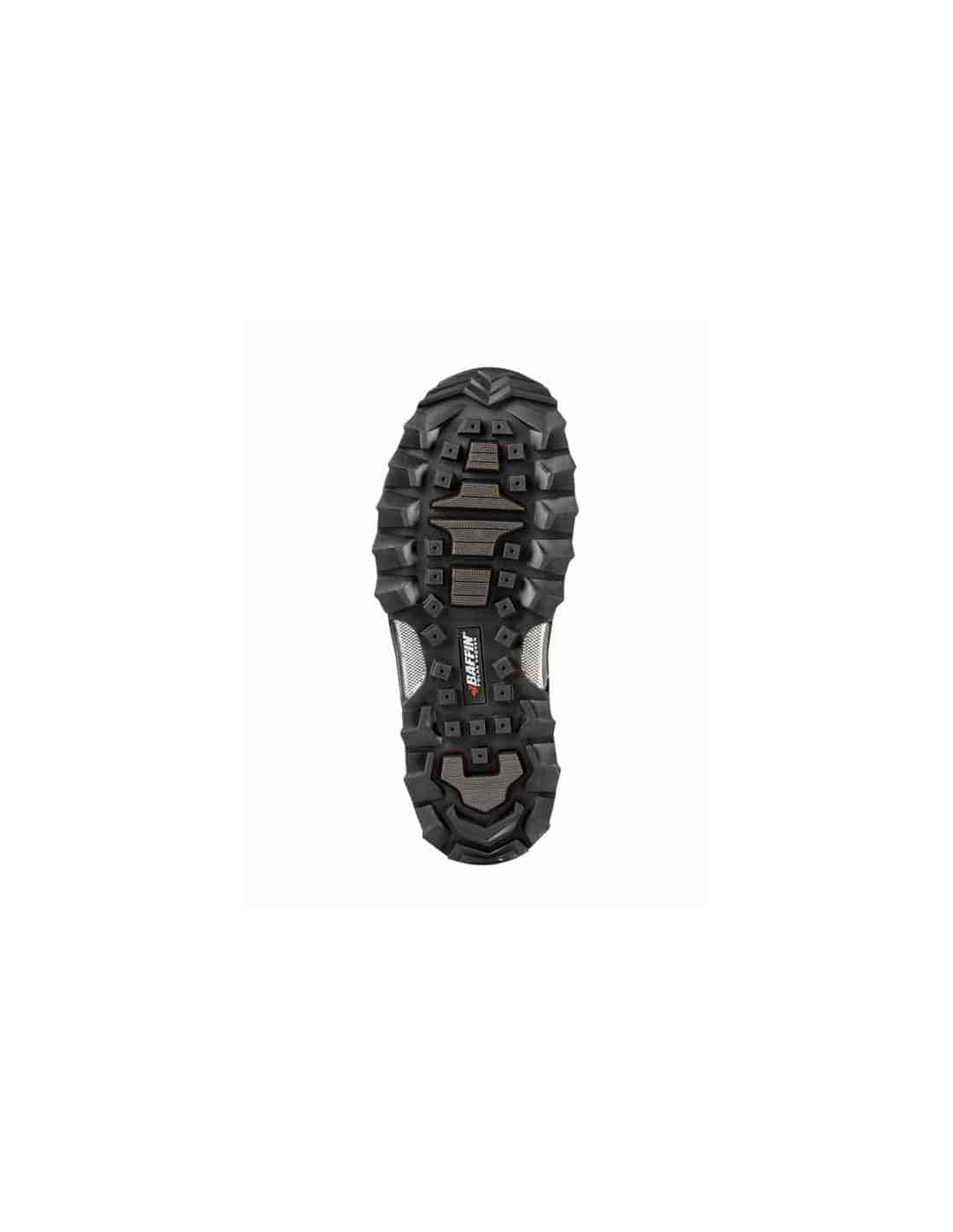
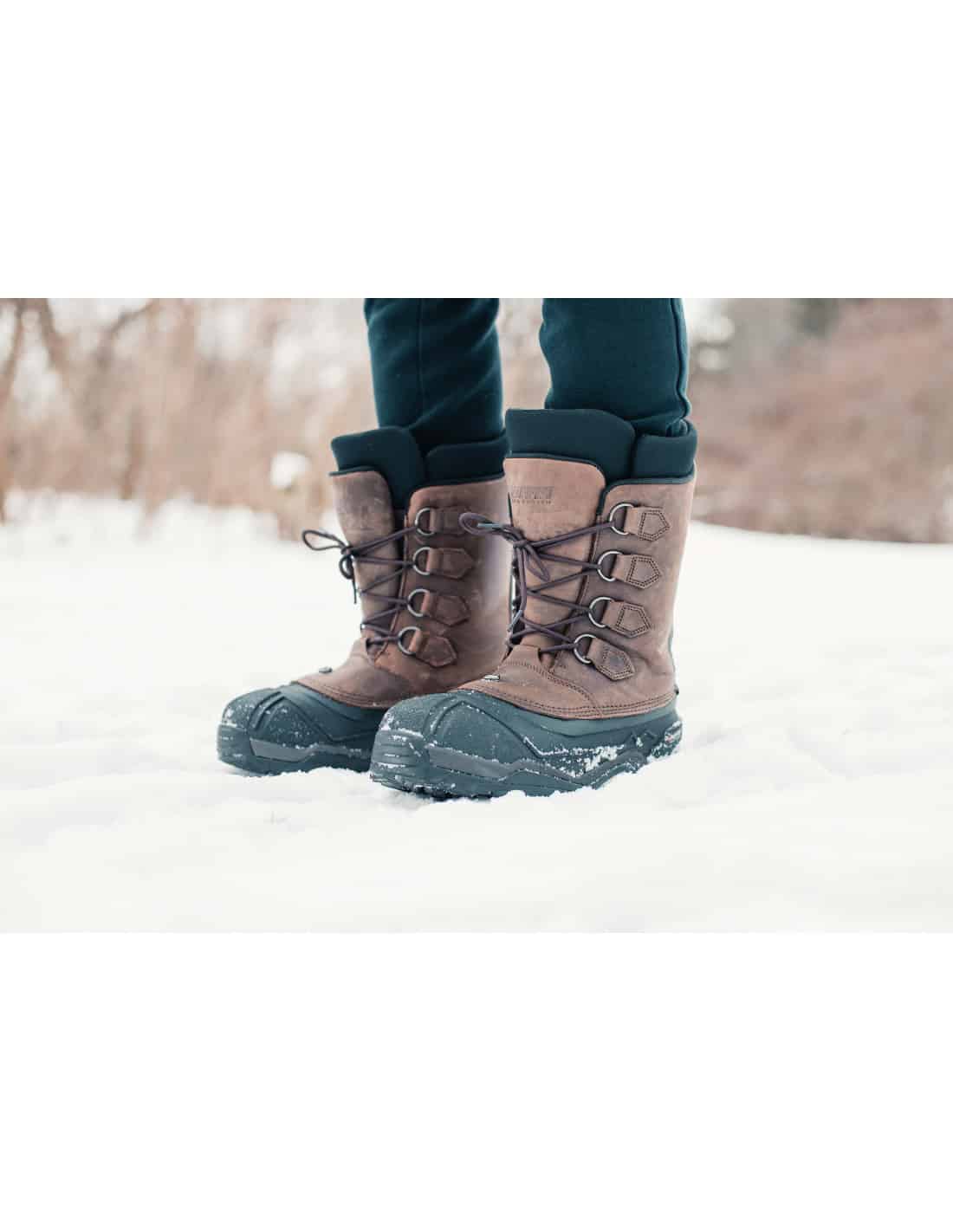
Baffin Control Max polar boot, rated at an indicative −60 °C / −76 °F. Insulated full-grain leather upper with sealed seams, 33.7 cm (13.3 in) shaft, Arctic Rubber™ shell and Polar Rubber™ outsole with Icepaw™ plates for ice.
Removable 8-layer Comfort-Fit liner that lifts out to dry. Snowshoe compatible, worn without overboots. Sizes EUR 39 to 48.5.
Protection given down to −60 °C / −76 °F*. The Control Max belongs to Baffin's Polar Proven® range, the one proven on the harshest ground. Its shaft rises to 33.7 cm (13.3 in) in insulated full-grain leather with sealed seams; its base rests on an Arctic Rubber™ shell and a Polar Rubber™ outsole set with Icepaw™ plates. Inside, a removable eight-layer Comfort-Fit liner lifts out to dry every evening. The whole boot stays supple enough for walking in snowshoes. Sizes EUR 39 to 48.5.
When you pack for Lapland, the Yukon or Svalbard, the question of your feet always comes last and turns out first once you are there. Cold does not come from the air alone: it rises from the ground, by contact, for as long as you stand still. That is where the rubber shell acts as a thermal break, between the snow and the liner. And the liner comes out completely — the only way to set off the next morning on a dry interior, since the damp built up the day before is what ruins the insulation of a sealed boot.
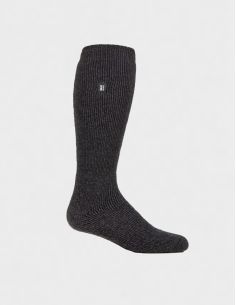
The Comfort-Fit liner stacks eight layers that do not do the same job. Against the foot, Thermaplush™ draws perspiration outwards; the thermoformable B-Tek™ Foam moulds to the shape of the foot; the four-channel hollow fibre B-Tek™ Heat builds the volume of air, which is the real insulator. Midway through that stack, a vaporised aluminium membrane reflects the energy the foot gives off back towards it, instead of letting it travel out to the shaft. DiamondNet™ closes off the passage of air and Hydromax™ carries residual moisture outwards. Under the foot, the rubber shell and the EVA midsole cut conduction with frozen ground, which is the main route of heat loss when standing still. The Arctic Rated classification places comfort at moderate to high activity across temperatures encountered from −30 °C to −45 °C (−22 °F to −49 °F). One point decides the outcome: the sock must never grip, because any compression crushes the air and removes the insulation.
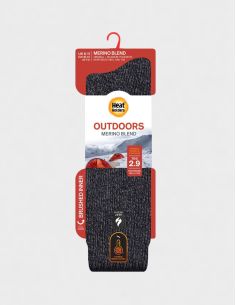
Because it deals separately with the three routes by which the foot gets cold: conduction with frozen ground, taken on by the shell and the midsole; radiation, reflected by the aluminised membrane; internal moisture, drawn out and then dried each night thanks to the removable liner. To that is added a demand from the field — staying supple enough to walk in, on snowshoes as much as on ice.
Why the feet get cold before the rest:
A warm foot changes how the whole body feels: it is one thermal system, not two separate problems.
* Indicative temperature. Perceived warmth varies with activity, body type, humidity, wind, length of exposure and the socks worn.
You might also like