- -50° C
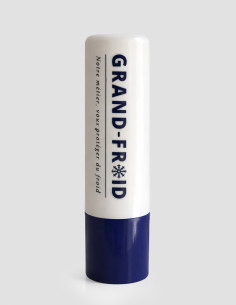
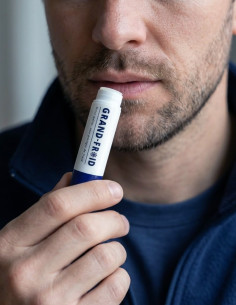
- A water-free formula, beeswax and shea butter: lips that get through the winter.
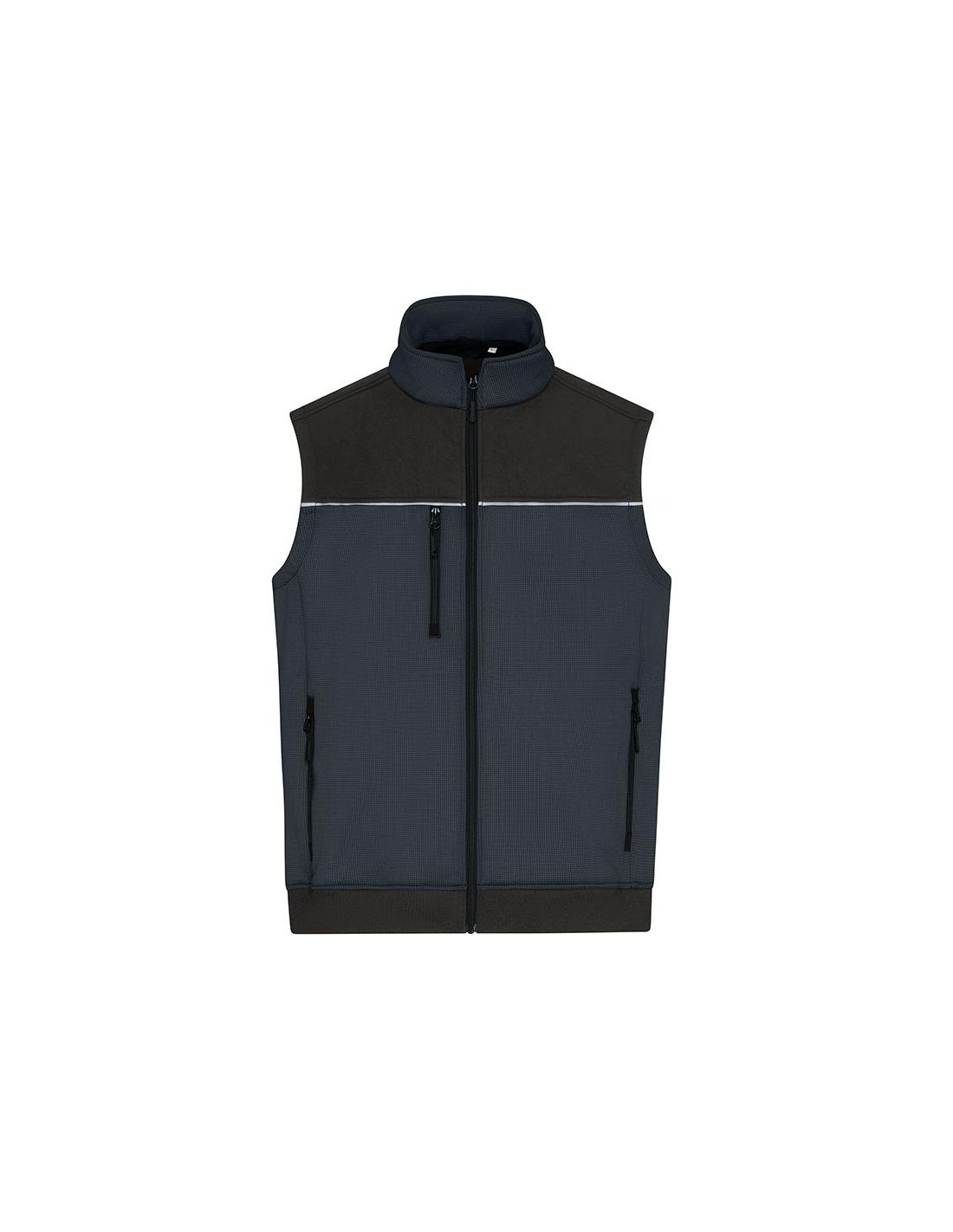
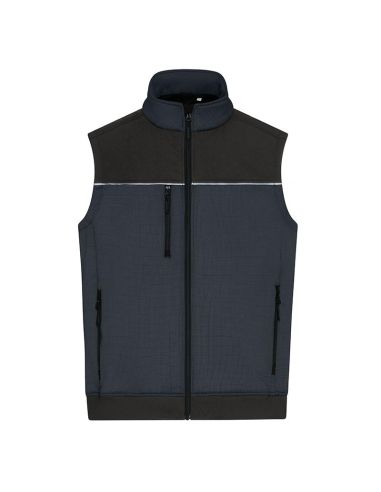
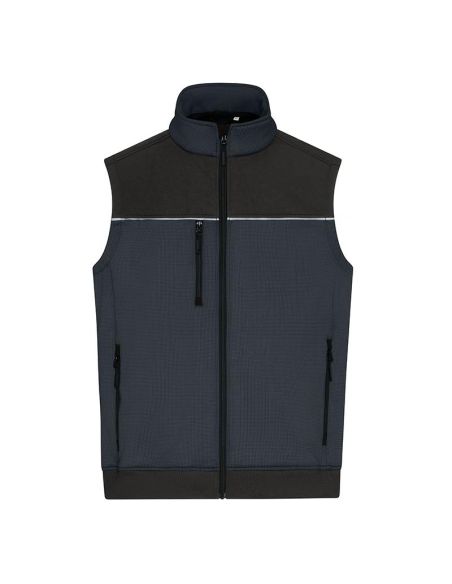
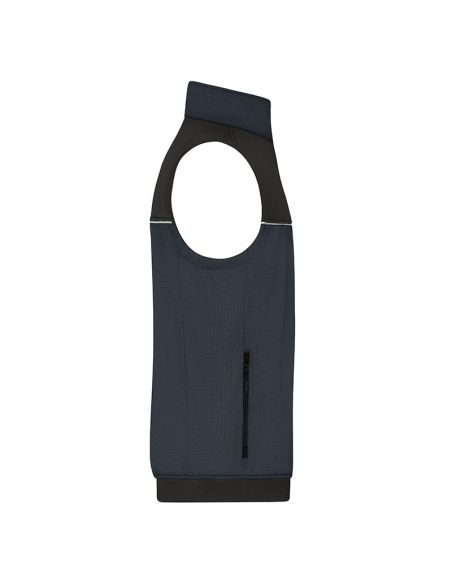
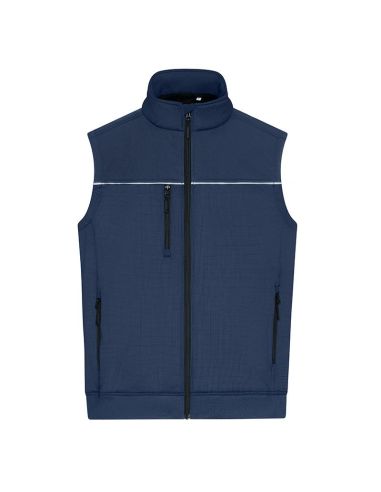
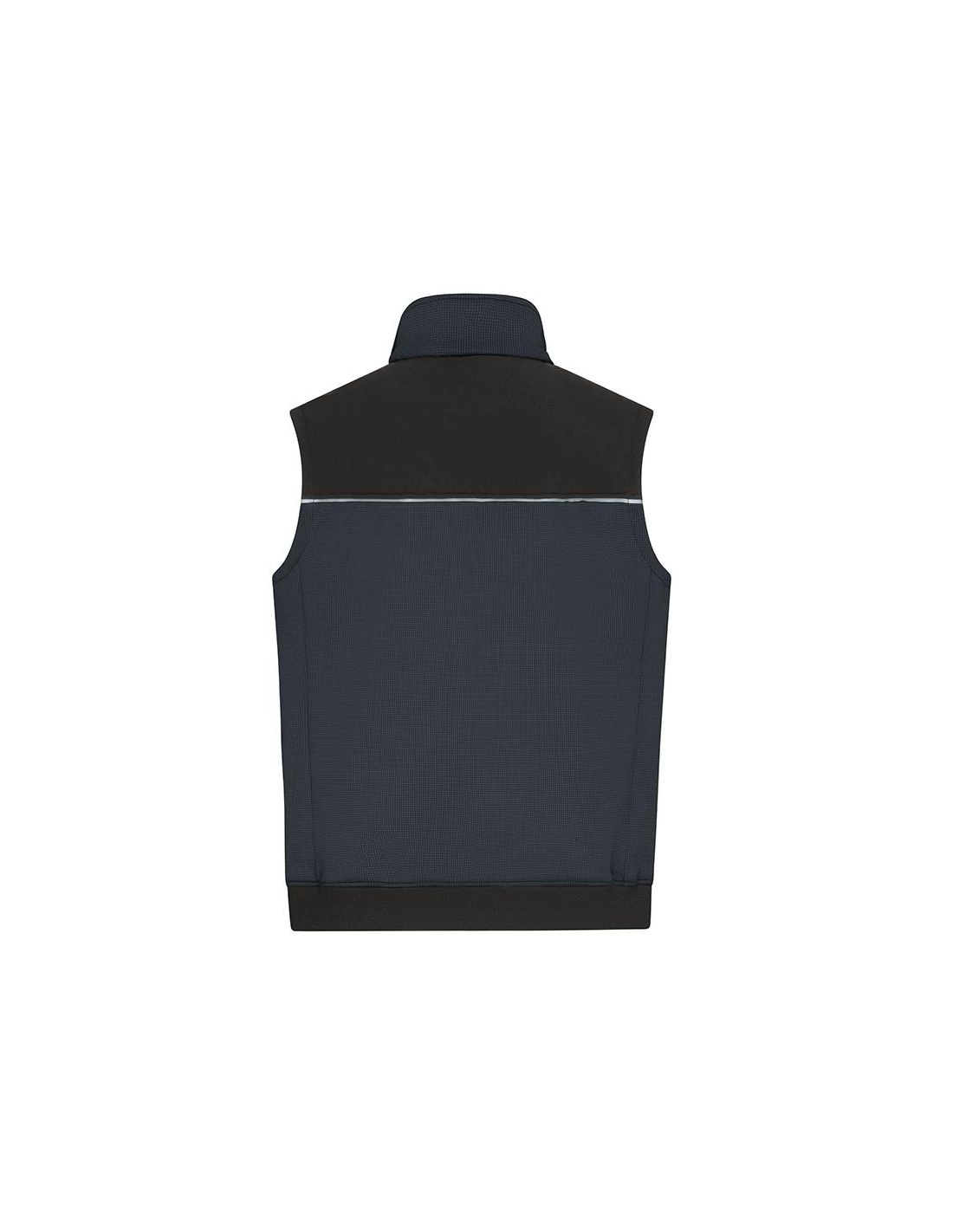
2-layer softshell work gilet with a Sherpa inner, outer fabric at 360 g/m². Rated down to −10 °C / 14 °F, from XS to 6XL.
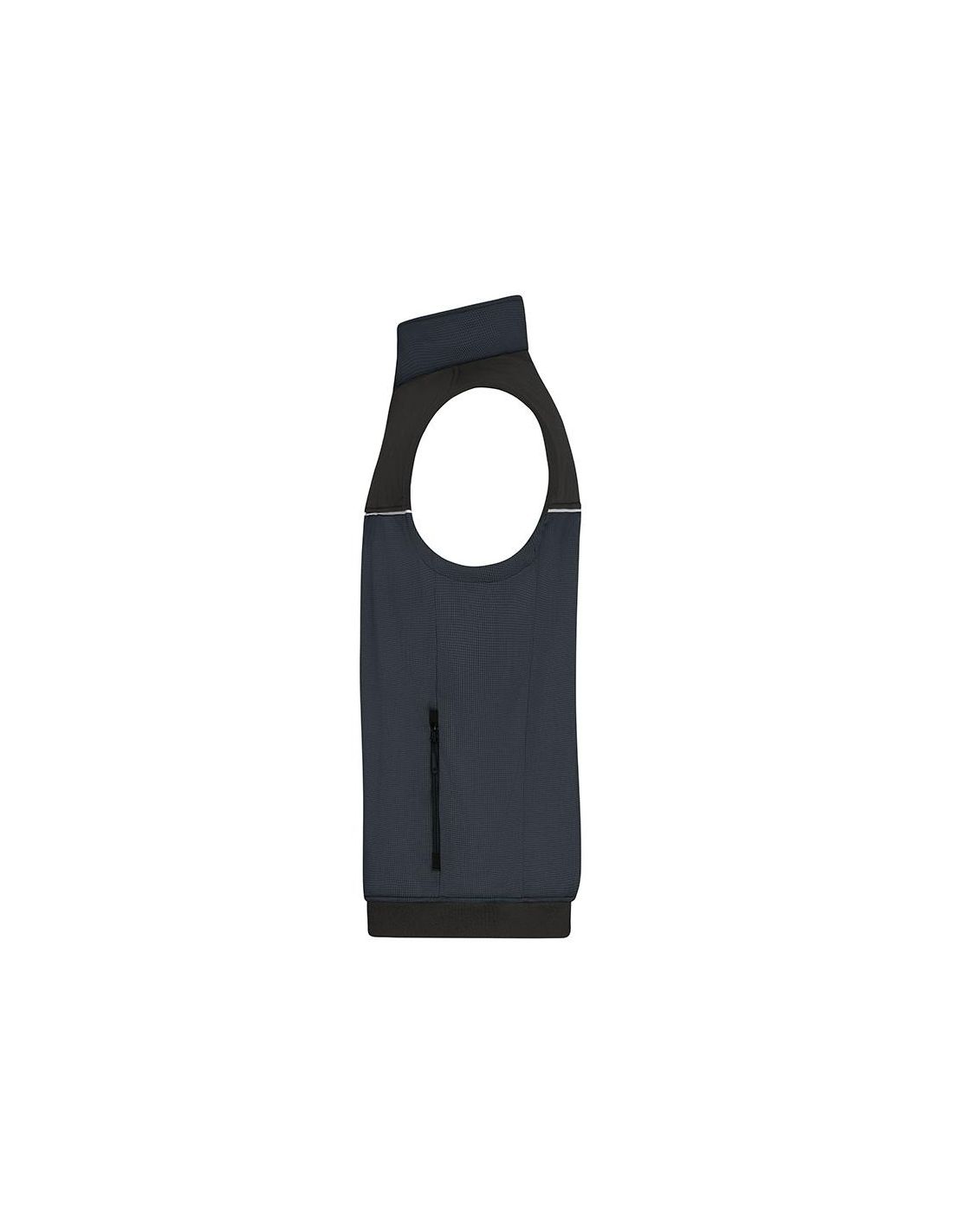
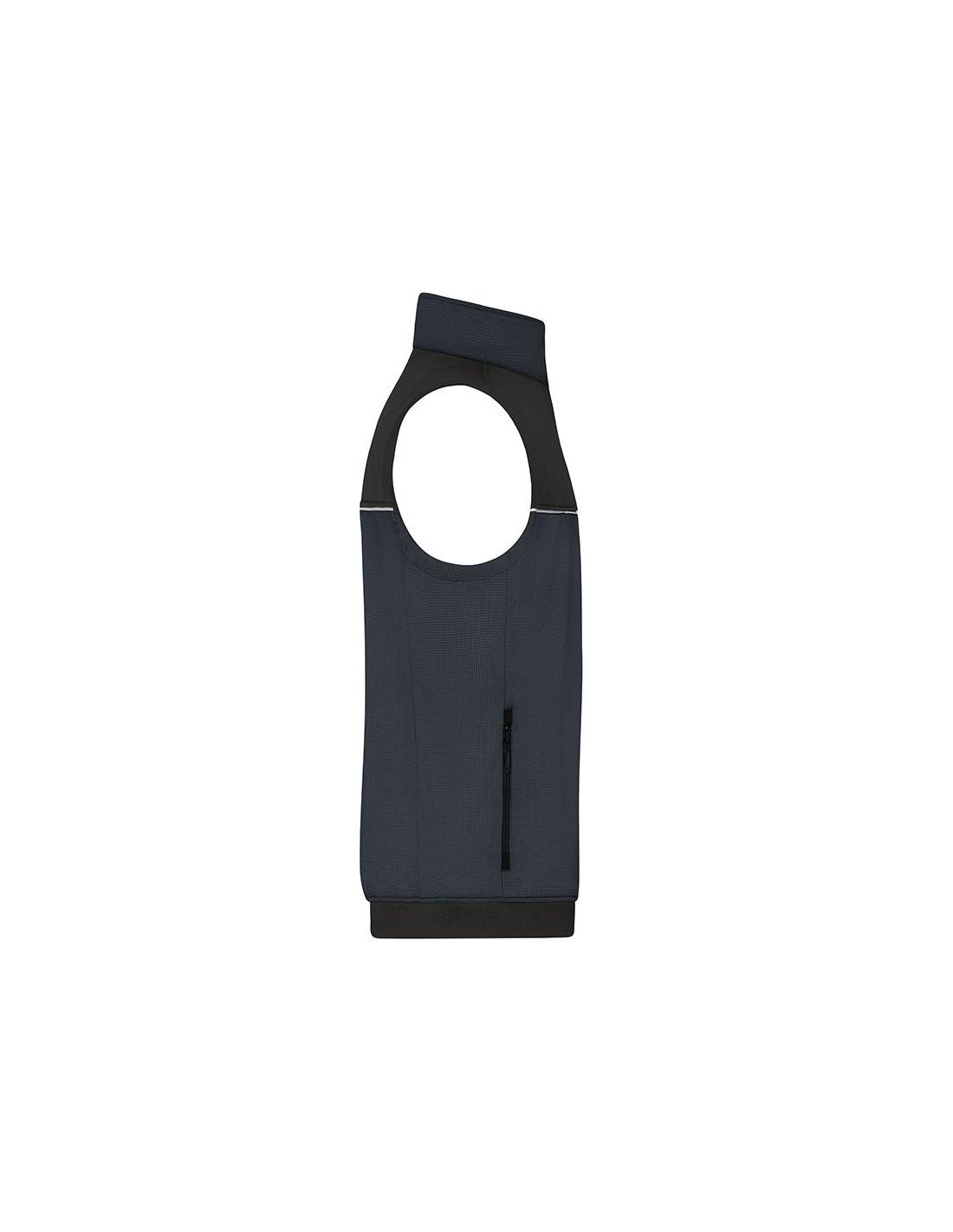
Without sleeves it insulates the torso and leaves the arms their full range: handling, carrying, repeated movement. Stand-up collar with chin guard, zipped pockets, YKK fastenings.
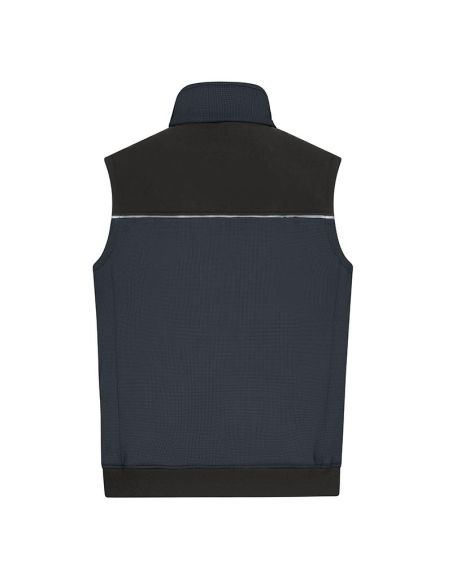
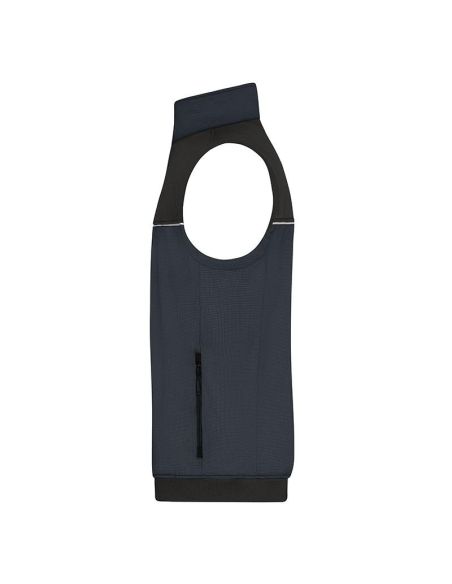
The JN1867 bodywarmer is a 2-layer softshell work gilet with a Sherpa inner, rated down to −10 °C / 14 °F and offered from XS to 6XL. The outer fabric weighs 360 g/m² and carries the BIONIC-FINISH®ECO water and dirt repellent treatment. The zip is concealed and continuous, the stand-up collar protects the chin, the waist is elasticated. The absence of sleeves is not a saving on fabric: it is what leaves the arms their full range and keeps the armholes from overheating.
You put it on over a fleece and immediately get back the range that sleeves take away: carrying a load, climbing scaffolding, repeating one movement all morning. The torso stays warm, the armpit does not cook. Keep a long-sleeved base layer underneath: here it is the arms that decide the comfort.
The JN1867 is rated down to −10 °C / 14 °F, across the chest and back only: the arms remain the job of the layers worn underneath. This is an outer layer, a padded gilet worn over the top, never a piece that slots in between. The softshell stops the wind across the torso and the Sherpa lining holds the warm air; the BIONIC-FINISH®ECO treatment makes this gilet repellent, not waterproof.
The same 2-layer softshell and the same Sherpa lining as the jacket in the range, but without sleeves: the JN1867 insulates the torso, where the exposed surface is largest, and leaves the arms to the layer underneath. That is what separates it from a jacket, and it is the argument to hold on to when the movement comes first.
The three-layer system:
With the torso protected, the head becomes the first point of heat loss.
* Indicative temperature. Perceived warmth varies with activity, body type, humidity, wind and the layers worn underneath.
You might also like