- -50° C
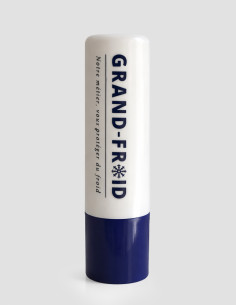
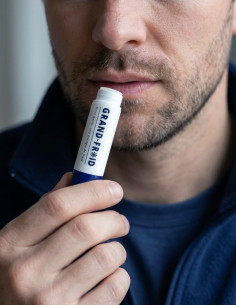
- A water-free formula, beeswax and shea butter: lips that get through the winter.
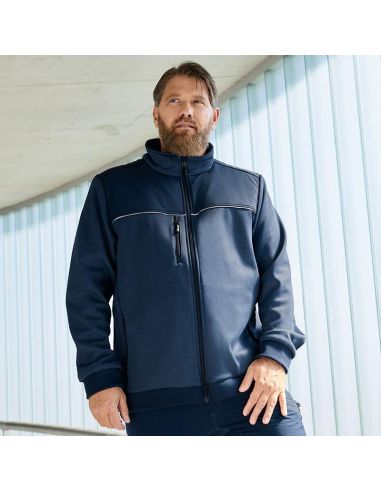
2-layer softshell work jacket with a Sherpa inner, outer fabric at 360 g/m². Rated down to −15 °C / 5 °F, from XS to 6XL.
It stops the wind where a fleece lets it through, and the BIONIC-FINISH®ECO finish sheds drizzle and dirt. Stand-up collar with chin guard, zipped side and chest pockets, two inner pockets, YKK fastenings.
The JN1868 jacket is a 2-layer softshell with a Sherpa inner, rated down to −15 °C / 5 °F and offered from XS to 6XL. The outer fabric weighs 360 g/m² and carries the BIONIC-FINISH®ECO treatment, which makes it water and dirt repellent with no FSB, PFOS or PFOA. The zip is concealed and continuous, the stand-up collar protects the chin, waist and cuffs are elasticated. Reflective elements sit at the front and the back: they improve visibility but carry no protective function, this jacket is not PPE.
This is the jacket you keep on when the wind gets up: the softshell stops the air, the Sherpa holds the warmth, and you are not hunting for a second layer over the top. Zip the collar all the way before you climb onto the machine — the chin guard earns its keep after an hour. In sustained rain, switch to a waterproof shell: water repellency handles drizzle, not settled rain.
The JN1868 is rated down to −15 °C / 5 °F. The 360 g/m² 2-layer softshell stops the wind, and the Sherpa lining holds a volume of warm air against the body. This is an outer layer: wear it over a mid layer, not instead of one. The BIONIC-FINISH®ECO treatment makes this jacket water and dirt repellent; it does not make it waterproof. In sustained rain, a waterproof shell takes over.
A 360 g/m² 2-layer softshell, a Sherpa lining and a repellent finish: the JN1868 brings together in one garment what usually takes two — stopping the wind and holding the heat. That is what separates it from a fleece, which lets air through by construction.
The three-layer system:
The extremities go cold when the torso gives way, not before.
* Indicative temperature. Perceived warmth varies with activity, body type, humidity, wind and the layers worn underneath.
You might also like