- -50° C
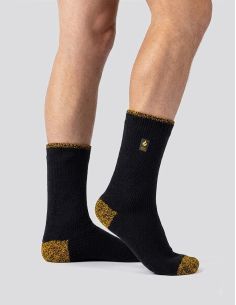
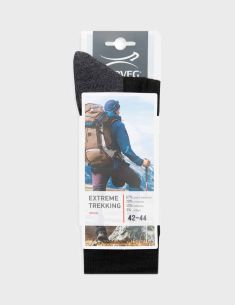
- Patented thermal fibers, guaranteed to keep your feet cool.
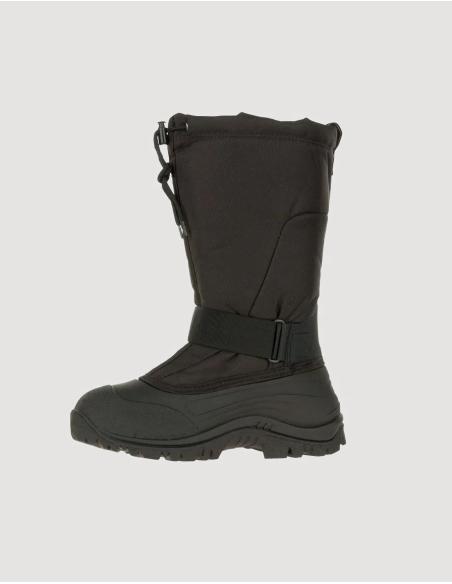
The Greenbay 4 is the men's snow boot from Kamik, Canadian boot maker since 1898, proven on snowmobiles. 35 cm 600D nylon upper on a waterproof rubber base, removable 8 mm Thermal Guard felt liner that keeps warmth when the foot stops moving — snowmobile, ice fishing, hides. Instep strap, pull-on, EU sizes 40 to 47.
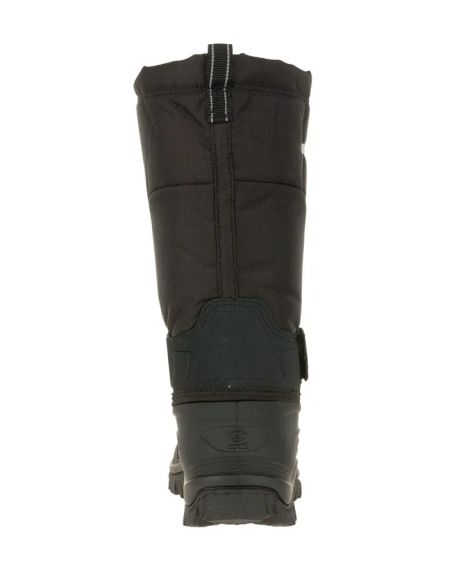
The Greenbay 4 is the men's snow boot from Kamik, the Canadian maker based in Montréal since 1898 — a model proven on snowmobiles, with more than 440,000 pairs sold. Its 600D nylon upper rises to 35 cm, mid-calf, on a waterproof rubber base that keeps snow away from the foot.
Inside, an 8 mm Thermal Guard felt liner, removable: it comes out in the evening to dry, goes back in the morning and is replaced when it wears. A hook-and-loop strap over the instep tightens the boot in one movement, even in mittens.
Pull-on, no laces. Available in EU sizes 40 to 47.
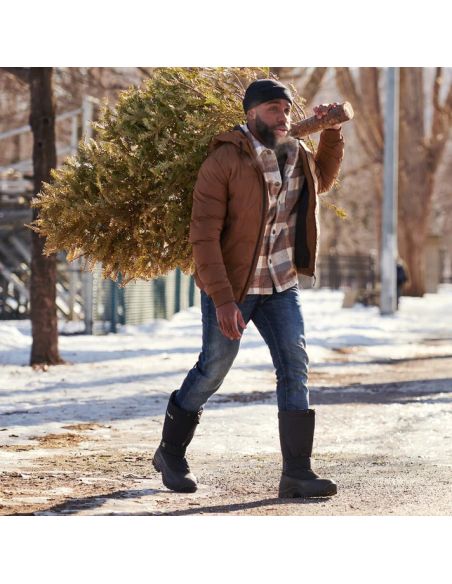
Snowmobile safari in Lapland: the outfitter provides the suit and the helmet, rarely the boots. On the machine, the foot does no work; it takes the wind chill for two hours. The Greenbay 4 is made for that: a thick liner that keeps warmth without any effort from the foot, a high shaft, a strap you tighten in mittens.
The 8 mm felt liner does the insulating: a volume of still air around the foot that stays effective without the foot having to produce heat — which is what sets it apart from a boot with thin insulation, made for walking. It comes out to dry right through every night; a damp liner insulates less. The rubber base is waterproof, the nylon upper is not: the Greenbay 4 is a boot for dry snow and cold, not for slush — in deep wet snow, take a boot with a sealed upper.
The classic snow boot in its simplest form: a rubber base, a high nylon upper, a thick felt liner you take out and replace. No membrane, no laces, nothing to break. It is the construction Canadians buy when the job is to stay outdoors for hours without moving — and 440,000 pairs sold say it holds.
Why the feet lose heat first:
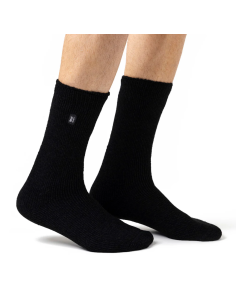
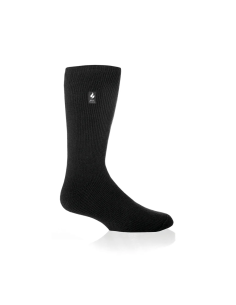
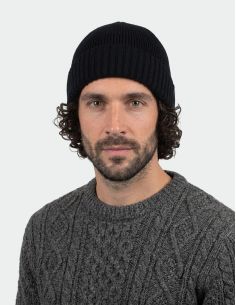
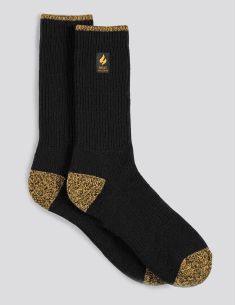
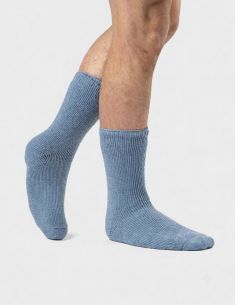
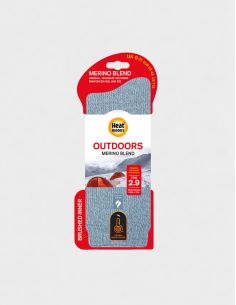
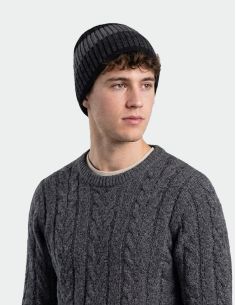
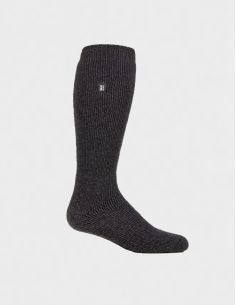
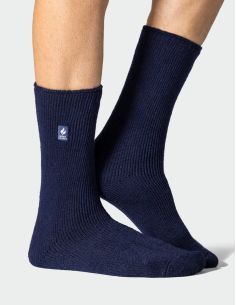
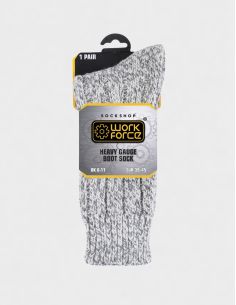
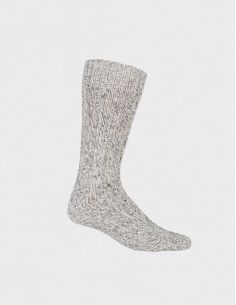
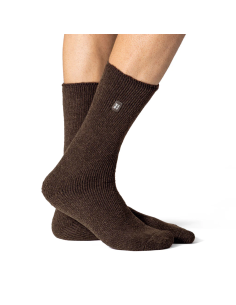
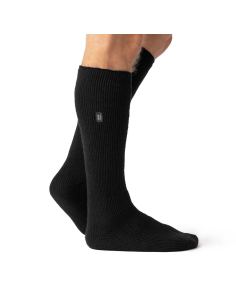
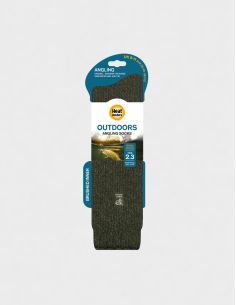
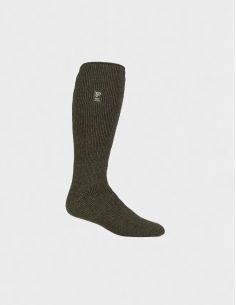
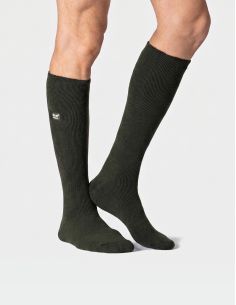
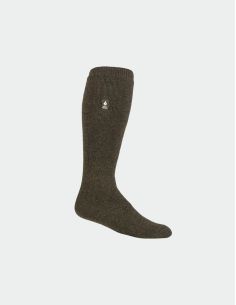
Feet that stay cold often point to heat lost elsewhere — cover the head first. Under the boot, the Heat Holders long fishing socks complete the system. On the ice, a boot is not judged in the first hour but in the fourth: the dry liner makes the difference.
* Indicative temperature. Perceived warmth varies with activity, body type, humidity, wind and the layers worn underneath.
You might also like