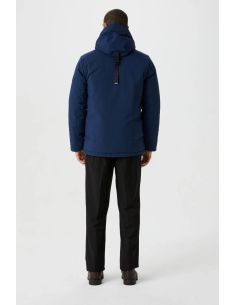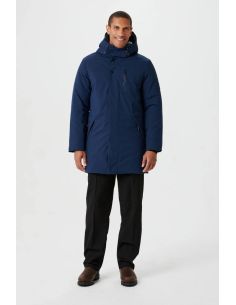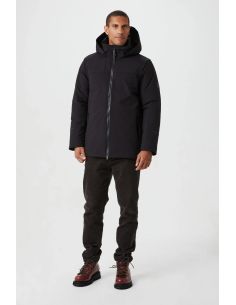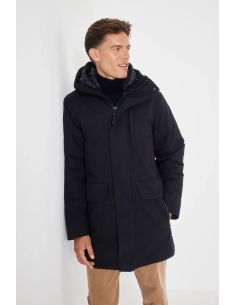
- -50° C
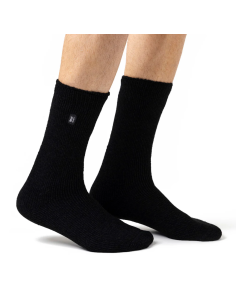
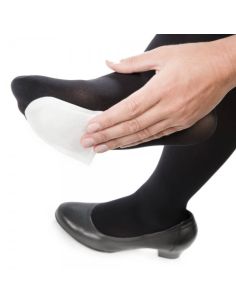
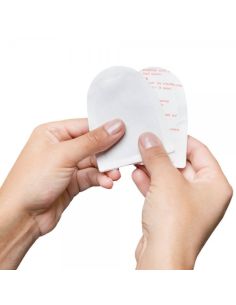
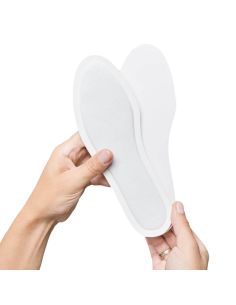
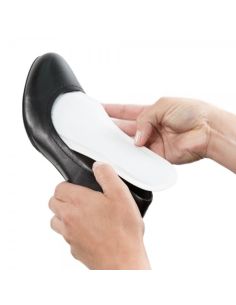
- Patented thermal fibers, guaranteed to keep your feet cool.
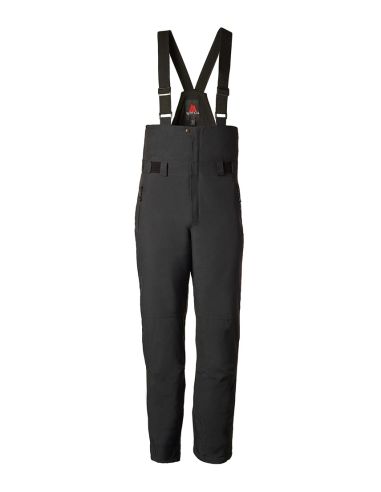
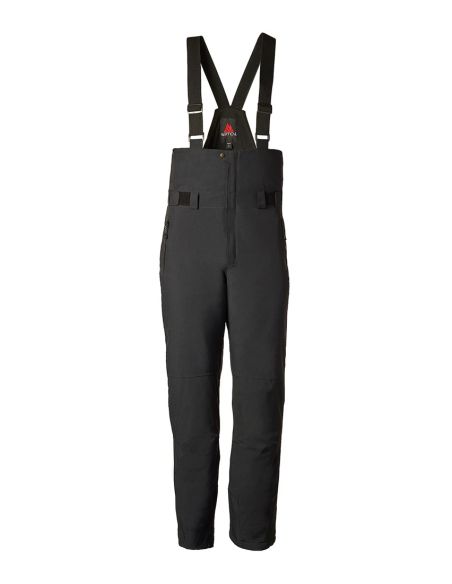
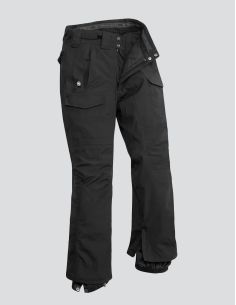
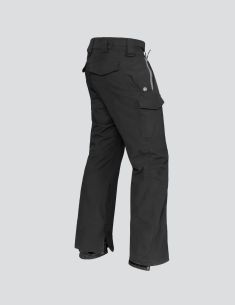
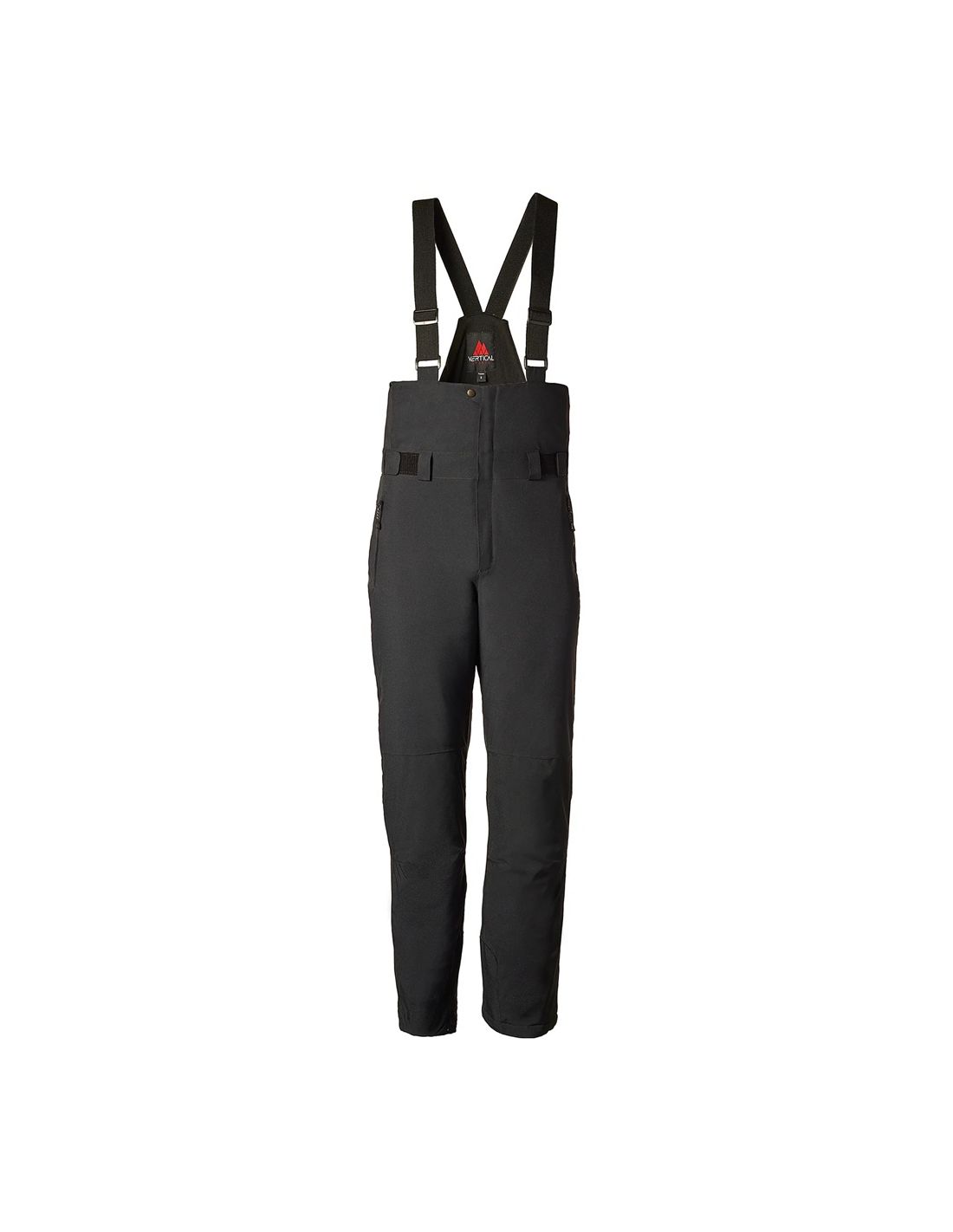
These Vertical Lafont 2017 men's extreme cold salopettes, designed in Quebec to conquer harsh Canadian winters, are your ultimate full-coverage shield against freezing temperatures. They combine a 4-way stretch waterproof and breathable fabric, fully taped seams, and a powerful 120g thermal insulation (rated down to -25°C*).
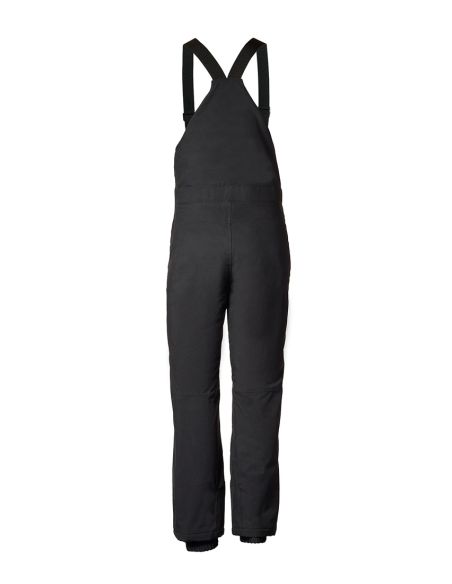
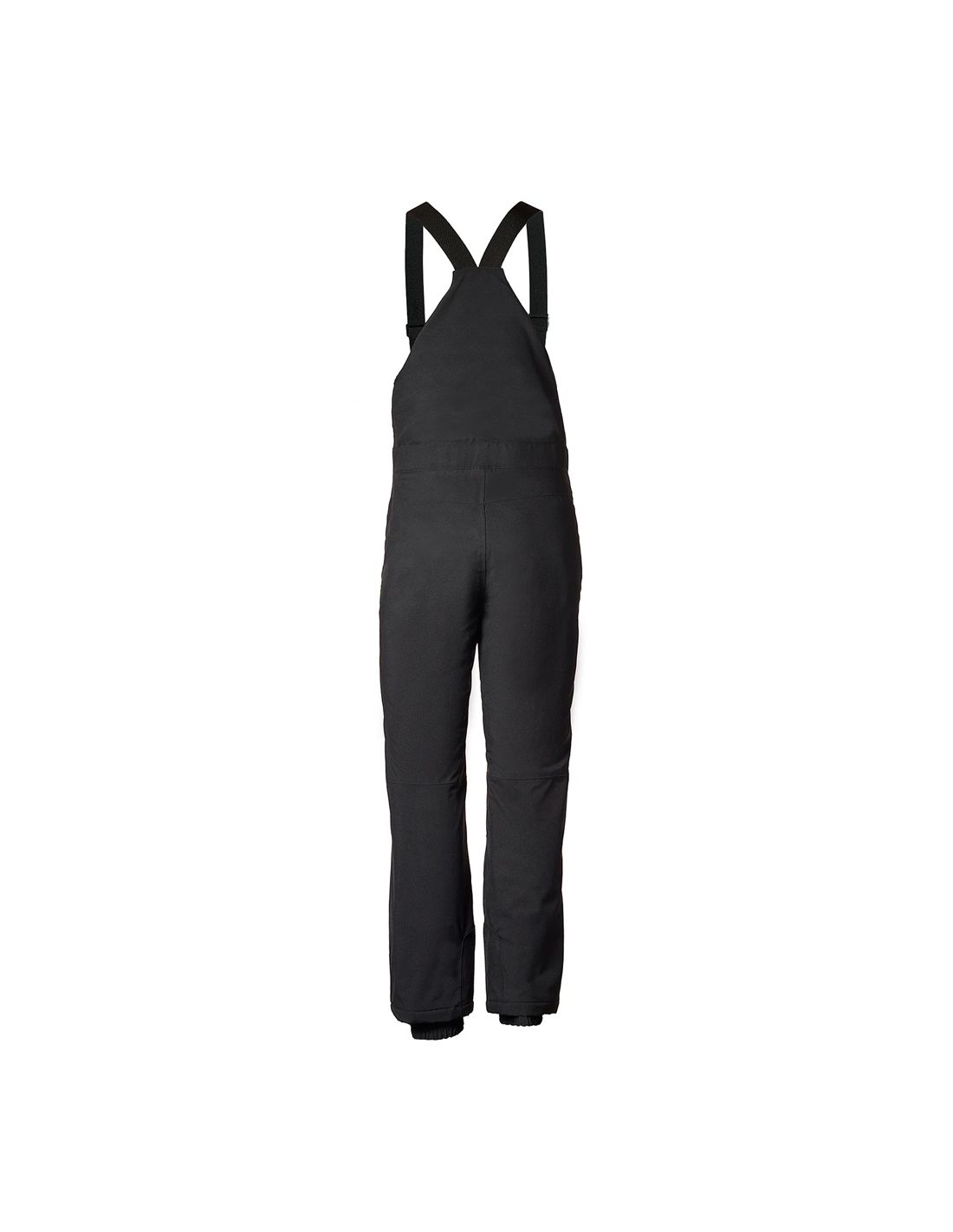
Engineered to completely eliminate cold draughts, the high-rise back and front bib design effectively seals the lumbar area—a common weak point in standard trousers. Features include adjustable elastic braces, lateral Lycra panels for mobility, articulated knees, and integrated snow gaiters. Classic straight fit (81.3 cm inside leg). Available in sizes S to XXL.
An essential outer layer (Layer 3), perfect for snowmobiling, Nordic expeditions, outdoor work, or any prolonged activity in sub-zero environments.
This is the fundamental difference between standard trousers and salopettes, especially when facing a Canadian winter. The front bib and high-rise back completely eliminate the waist gap that exposes your lower back to icy winds whenever you bend or sit down. Beyond this, the Lafont 2017 delivers top-tier technical performance: 4-way stretch waterproof-breathable fabric, fully taped seams, 120g insulation, and a smooth nylon lining, keeping you protected down to −25 °C*. Designed for mobility, they feature adjustable elastic braces, internal Lycra side panels from waist to knee, articulated knees, and integrated snow gaiters. Classic straight fit, 81.3 cm inside leg, in black.
Salopettes (or bib trousers) sometimes carry an outdated reputation, often associated solely with workshops or ski slopes. In Nordic countries, however, they are simply the common-sense garment for anyone who plans to sit, kneel, or bend over outdoors. A crucial detail many fail to anticipate: you should never sit directly on snow, stone, or metal. Physical contact drains body heat much faster than cold air (which is why Scandinavians always carry a foam sitting pad in their backpacks). Salopettes solve the other half of this equation: stopping the small of your back from being exposed at the exact moment you are most vulnerable to the cold.
Insulation doesn't come from the fabric itself, but from the air it traps. The 120g of synthetic fibre creates a volume of static air between the lining and the outer shell, acting as a thermal barrier. For this to work, the insulation must stay dry: this is why the waterproof-breathable membrane and taped seams are vital. What truly sets salopettes apart is their continuous structure: by eliminating the waistline break, they remove the main escape route for warm air. A closed, continuous garment will always protect you better than thick layers that are open to cold draughts.
Both feature the same 120g insulation and technical fabric. What sets them apart is body coverage and, consequently, your posture while outdoors.
You don't judge salopettes after a ten-minute walk; you judge them at the end of a long, freezing day when you realise you never once felt a cold draught on your back, nor had to pull your trousers up.
* Temperature rating is indicative. Thermal comfort varies according to individual activity level, duration of exposure, humidity, wind chill, and the base layers worn underneath.
You might also like