- All season
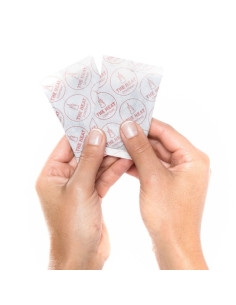
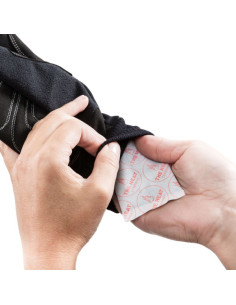
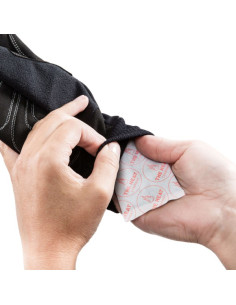
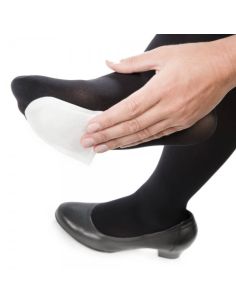
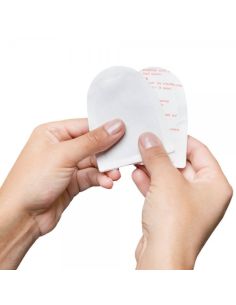
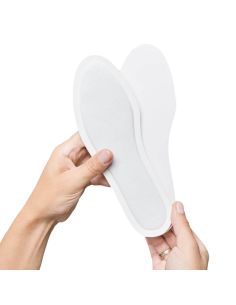
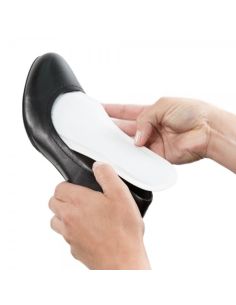
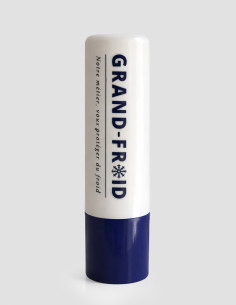
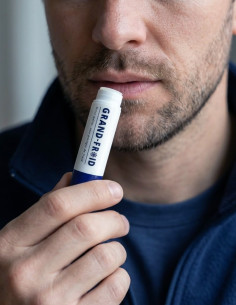
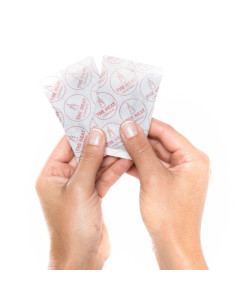
- 100% natural product, automatic activation, odorless.
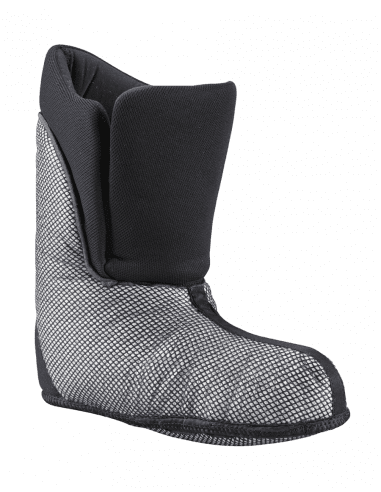
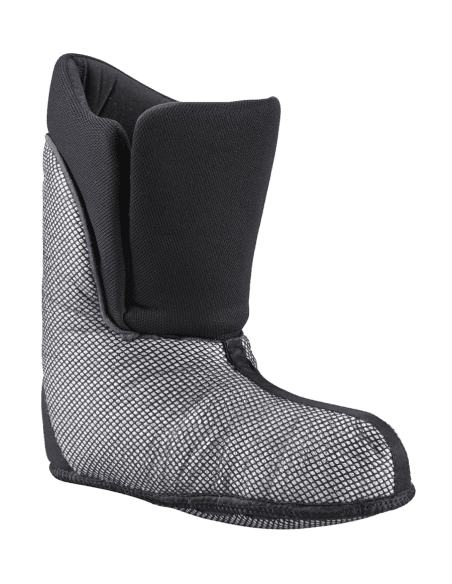
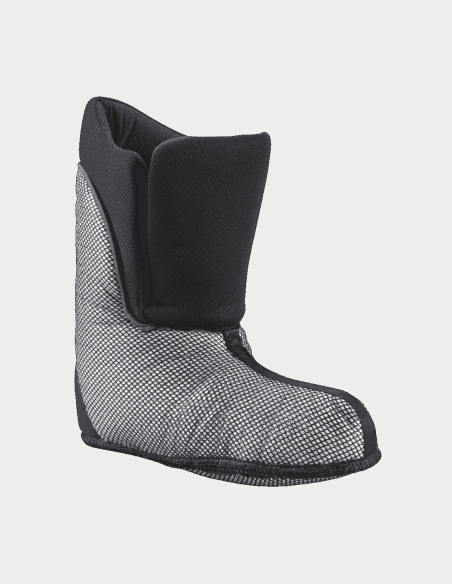
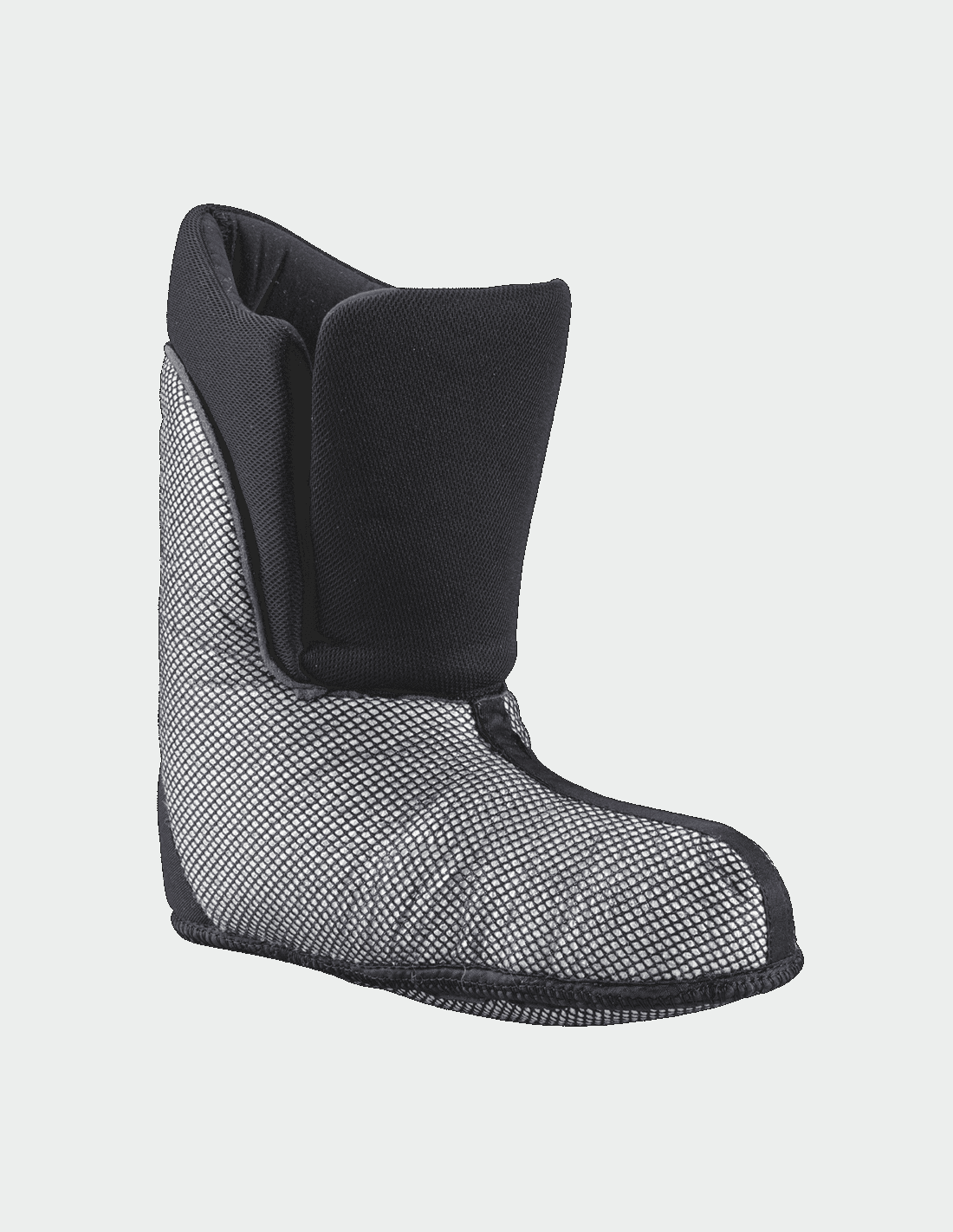
Genuine Baffin replacement inner liner, with the same 8-layer Comfort-Fit build as the factory fit: Thermaplush™, thermoformable B-Tek™ Foam, hollow-fibre B-Tek™ Heat, vaporised aluminium membrane and PolyWool™ lining.
Fits Control Max and Control Premium. Removable, hand washable. Sold in pairs, sizes EUR 39 to 48.5.
The inner liner is the part that works hardest in a polar boot, and the only one that wears out before the shell. This one carries the same eight-layer Comfort-Fit build as the factory fit: Thermaplush™ against the foot, thermoformable B-Tek™ Foam, four-channel hollow fibre B-Tek™ Heat, a vaporised aluminium membrane and a PolyWool™ lining. It slides into the boot with no adaptation, lifts out to dry, and washes by hand. Sold in pairs, sizes EUR 39 to 48.5.
Anyone wearing the same pair six months a year notices it before everybody else: the shell lasts years, the inside far less. The foot perspires, the insulation packs down, and one morning the boot is simply less warm than it was the first winter — with nothing visibly damaged. Changing the liner restores the original insulating power for a fraction of the price of a new pair. It is also the answer for a second set: two liners in rotation, one on the foot while the other dries, and the question of damp stops arising for the rest of the week.
Insulation does not come from thickness but from the air it traps, and each of the eight layers contributes differently. Thermaplush™, against the foot, carries perspiration outwards before it condenses. The thermoformable B-Tek™ Foam moulds to the shape of the foot and removes pockets of cold air. The four-channel hollow fibre B-Tek™ Heat builds the volume, and it carries most of the insulating power. Midway through the stack, a vaporised aluminium membrane reflects the energy the foot gives off back towards it. DiamondNet™ closes off the passage of air, Hydromax™ clears residual moisture, and the embossed insole traps a blade of warm air under the sole. It is this assembly that degrades with use: the fibre packs down, the volume of air falls, and the comfort temperature rises without anything showing.
Because a polar boot is not judged by the state of its shell. The shell stands up to cold and abrasion for years; the inside takes perspiration, compression and body heat every single day. Replacing the part that wears rather than the whole boot extends its working life and restores the original comfort temperature.
Three signs the time has come:
A new liner in a sound shell is worth a new boot, for a fraction of the budget.
You might also like