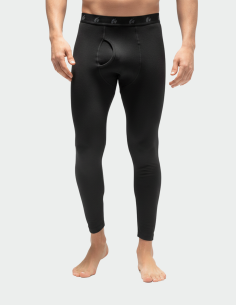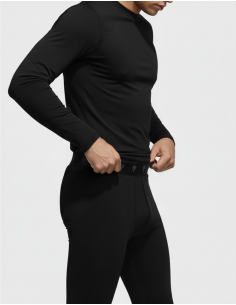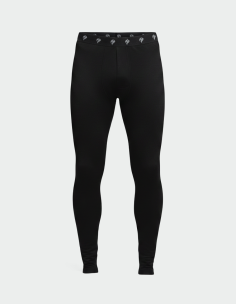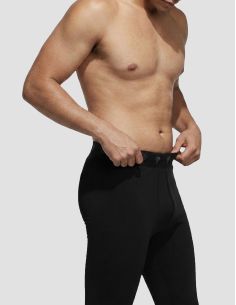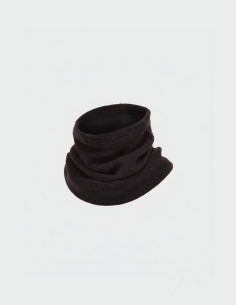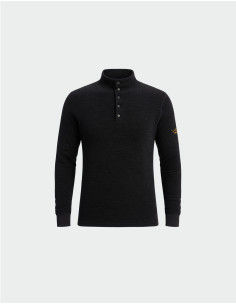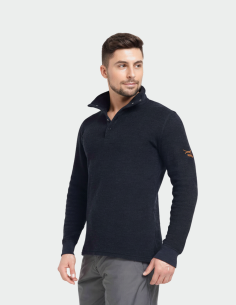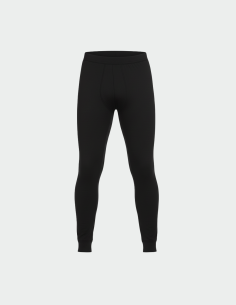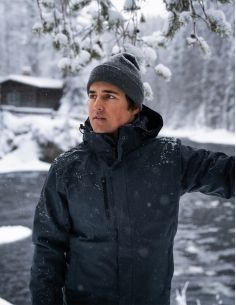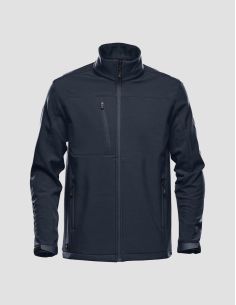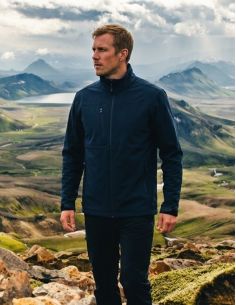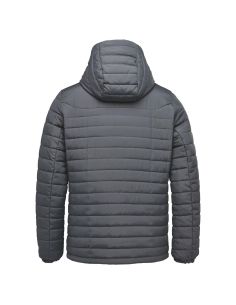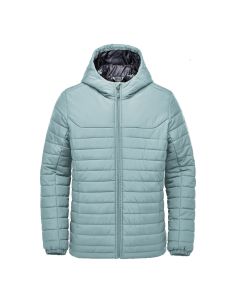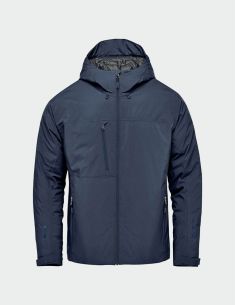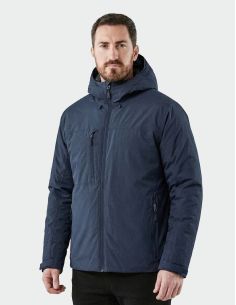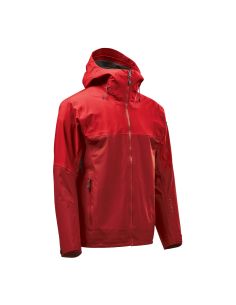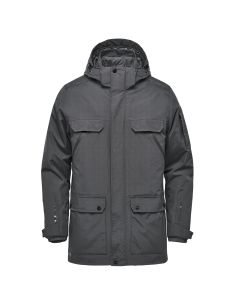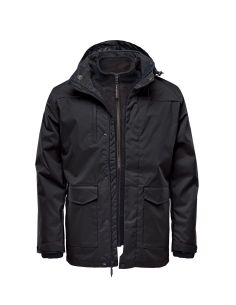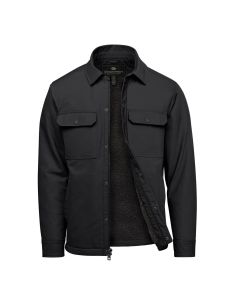
- -50° C
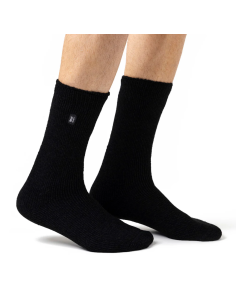
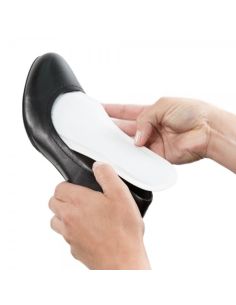
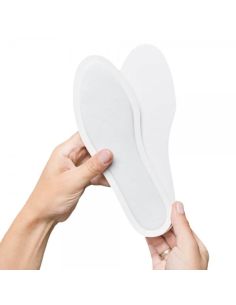
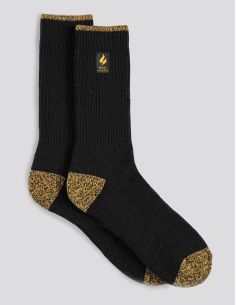
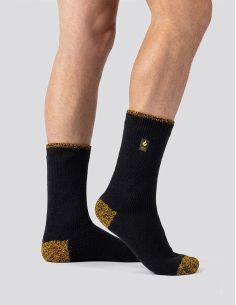
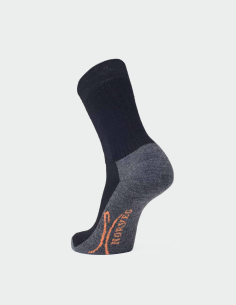
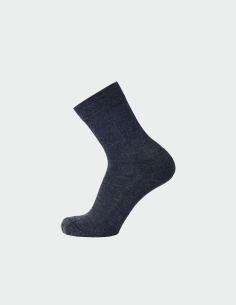
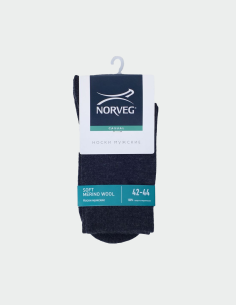
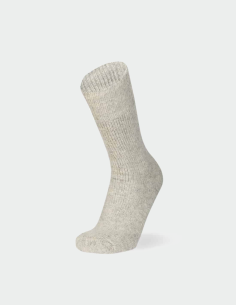
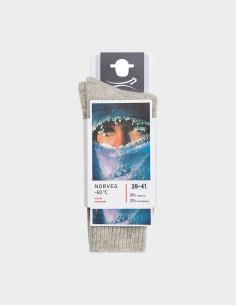
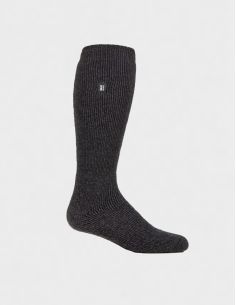
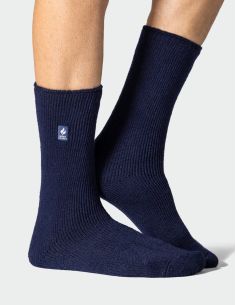
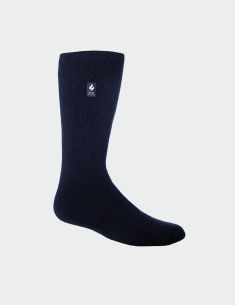
- Patented thermal fibers, guaranteed to keep your feet cool.
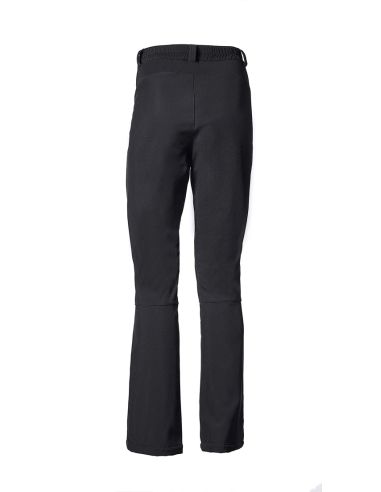
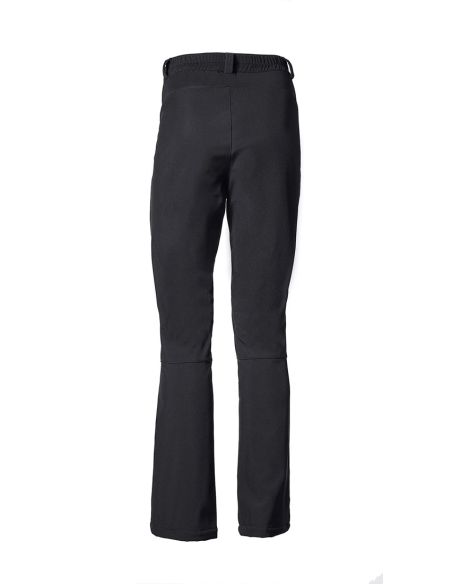
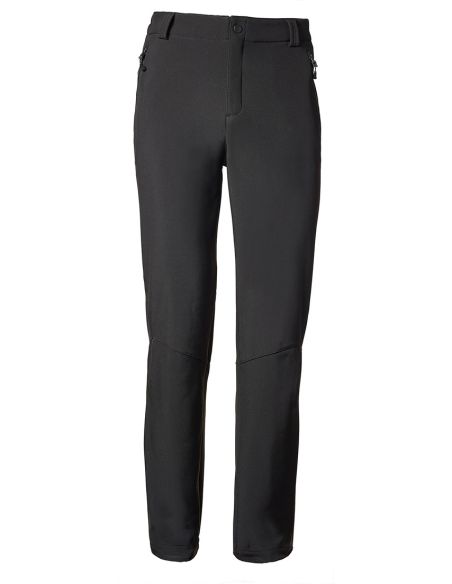
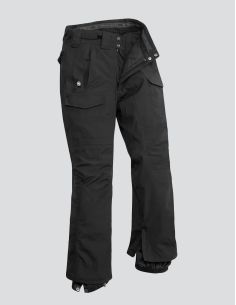
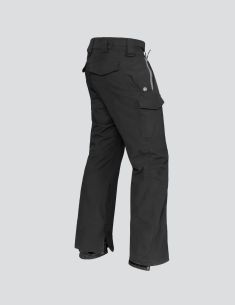
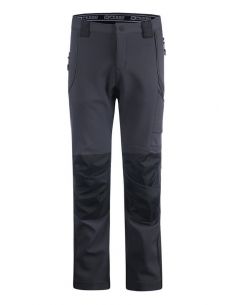
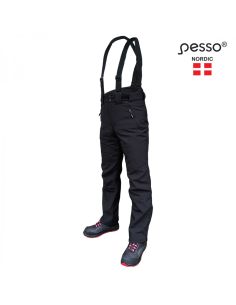
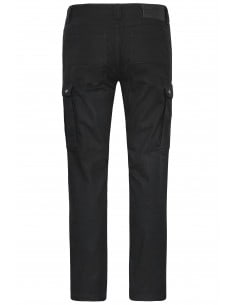
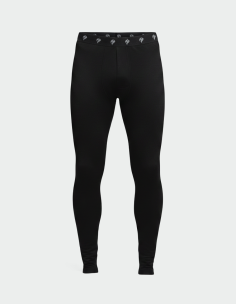
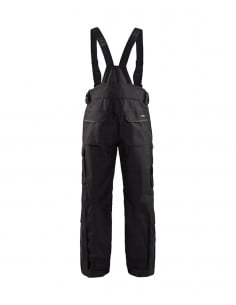
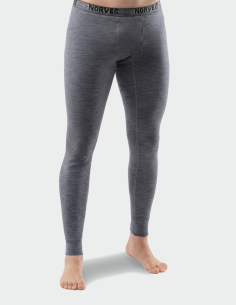
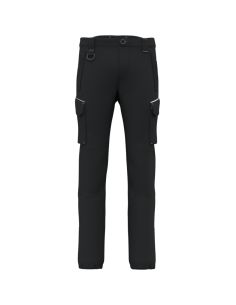
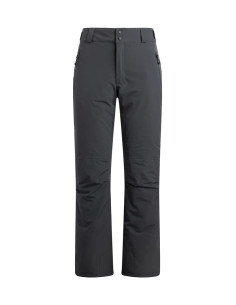
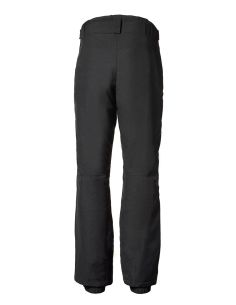
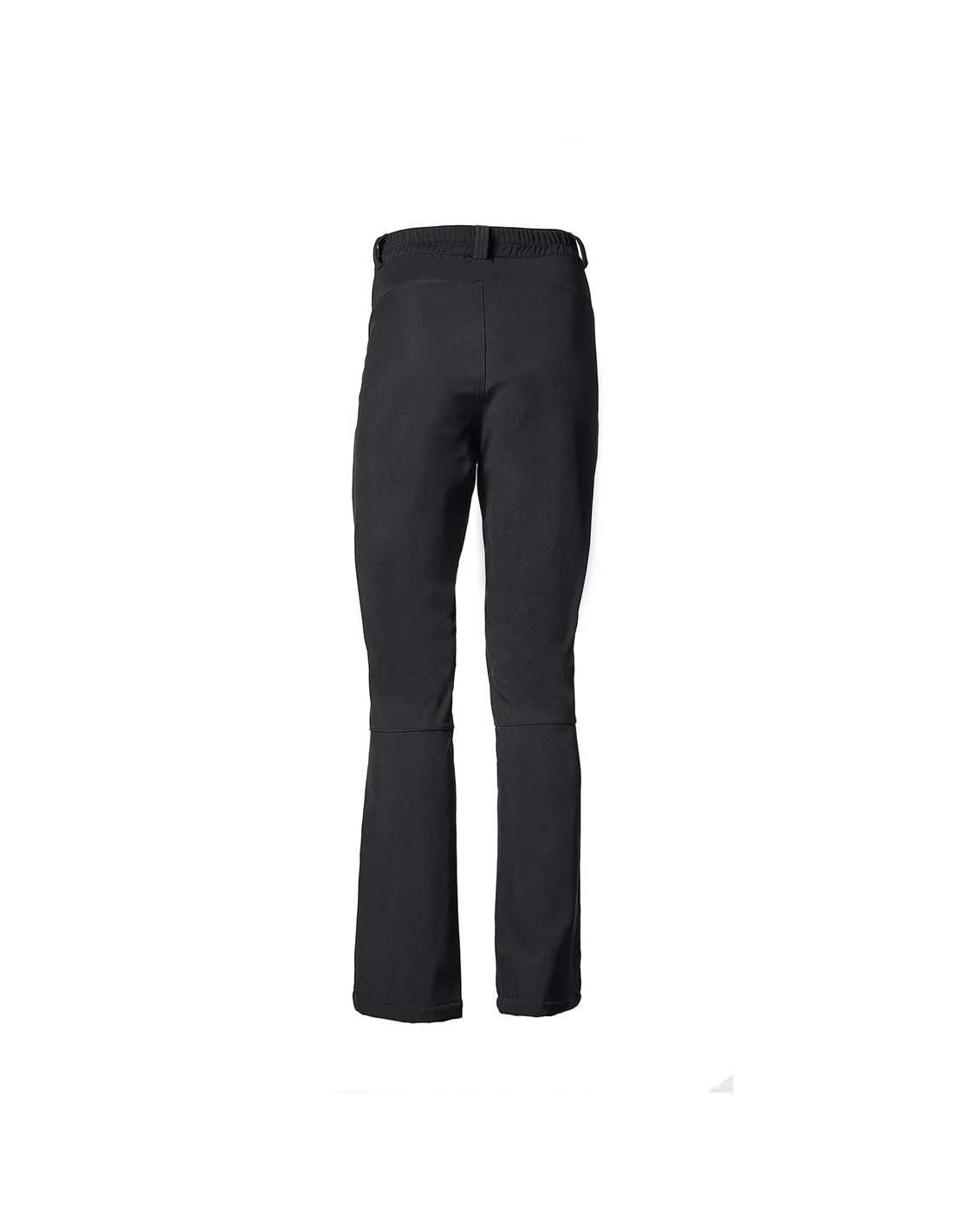
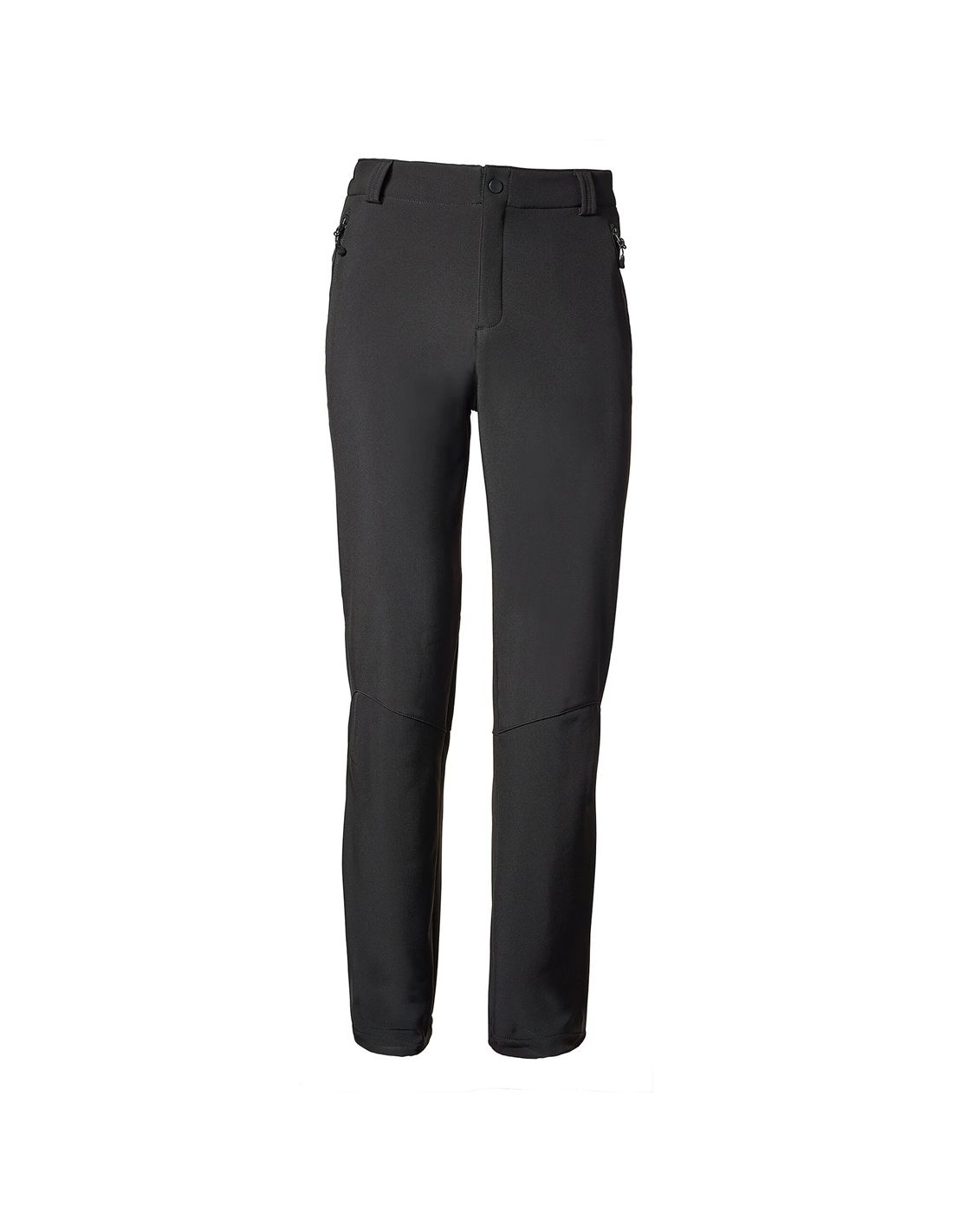
The Vertical Explorer 1583 men's softshell trousers are the ultimate active-wear choice for winter days on the move. Free from bulky padding, they generate warmth through a micro-fleece lining bonded directly to the outer fabric, keeping them thin, flexible, and highly breathable.
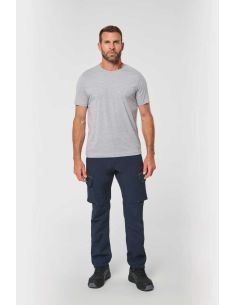
Featuring a 4-way stretch, windproof, and water-repellent shell (3,000 mm hydrostatic head), they provide effective protection in temperatures down to -10°C*. Designed for mobility, they include pre-shaped knees, a stretch-fleece lumbar panel, two zipped hand pockets, and adjustable hems. Straight fit, available in sizes S to XXL.
A high-performance technical outer layer (Layer 3) built for action—perfect for hiking, cycling, or outdoor chores where blocking wind and venting sweat are your top priorities.
The Explorer 1583 is purpose-built for action. Lacking heavy synthetic padding, it draws its warmth from a microfleece lining bonded directly to the inner face of the outer fabric. This makes it thin, highly flexible, and incredibly breathable—designed for a body generating its own heat. The 4-way stretch, windproof, and water-repellent shell features a 3,000 mm waterproof membrane, protecting you in temperatures down to −10 °C*. For unrestricted movement, they incorporate pre-shaped knees, a stretch-fleece lumbar panel, two secure zipped hand pockets, and adjustable lower leg straps to prevent them from dragging in the snow or mud.
These trousers are tailored to confront damp cold and biting wind—conditions where standard denim jeans are completely useless (cotton absorbs water, freezes, and clings to the skin). A golden rule for active winter gear: ventilate before you sweat, not after. Adjust your pace or slightly unzip your jacket during ascents. A base layer soaked in sweat will ruin the rest of your outing the second you stop moving. This is a garment you actively manage, not one you simply endure.
Here, warmth doesn't come from heavy padding. The bonded microfleece backing retains a thin layer of insulating air against the leg without adding any bulk. This is perfectly sufficient as long as your body is working—a hiker generates enough heat to only require a reliable barrier against the wind. And wind is the real enemy: a windproof fabric eliminates wind chill, which causes far more heat loss than a simple drop in the thermometer. As for water, the 3,000 mm membrane easily handles heavy showers and dry snow while ensuring far superior breathability compared to fully waterproof hardshells. It is the perfect compromise for a garment built for continuous movement.
The choice isn't just about the outside temperature, it is about what you will be doing outdoors. A body in motion (walking, hiking) produces its own heat and only requires a barrier against wind and moisture. Conversely, a stationary body stops producing heat, meaning the garment's insulation must do all the work.
A softshell shouldn't be judged by its thickness, but by its ability to keep you dry: during a winter hike, it is the build-up of your own sweat (not the thermometer) that will freeze your core if your trousers aren't breathable.
* Temperature rating is indicative. Thermal comfort varies according to individual activity level, duration of exposure, humidity, wind chill, and the base layers worn underneath.
You might also like