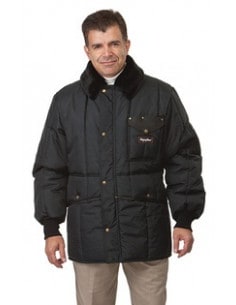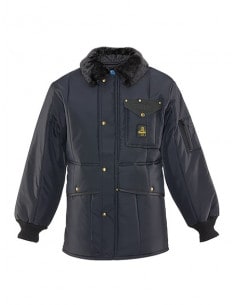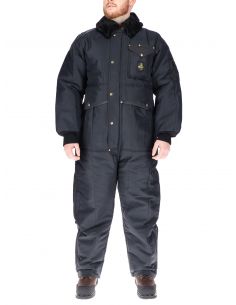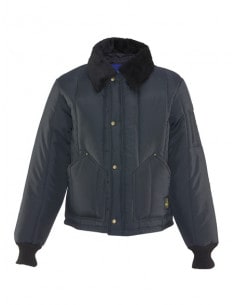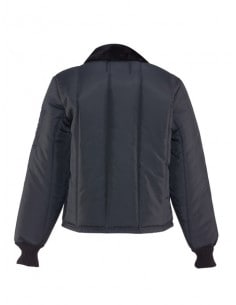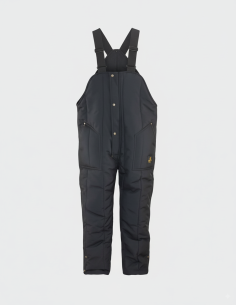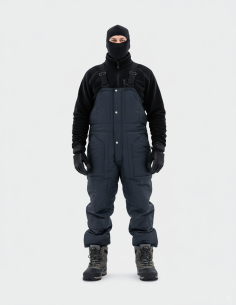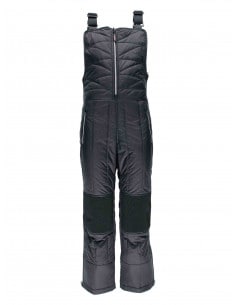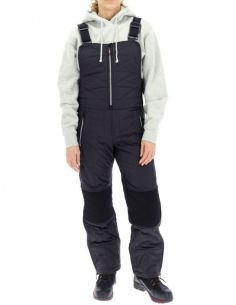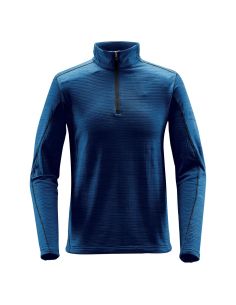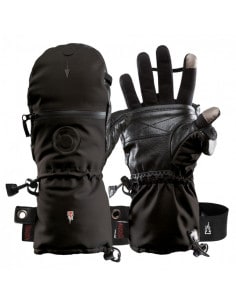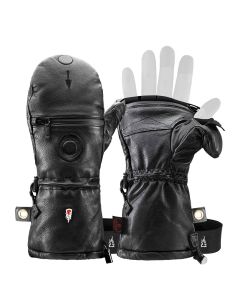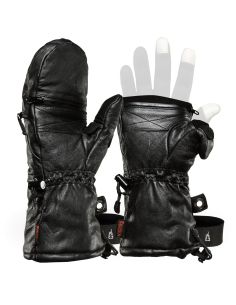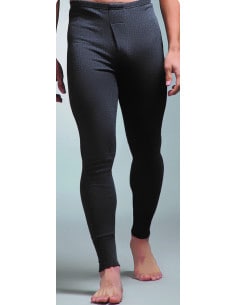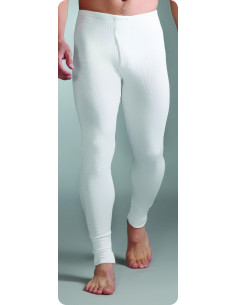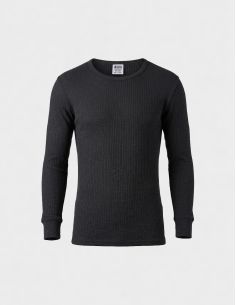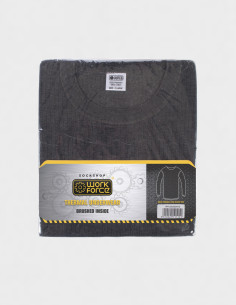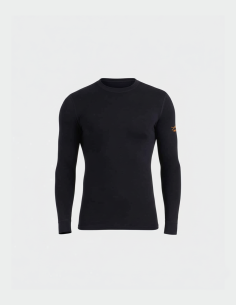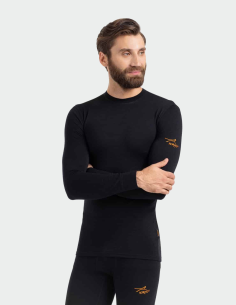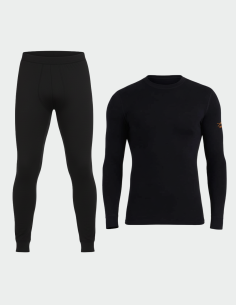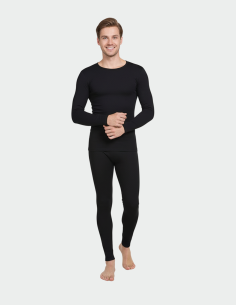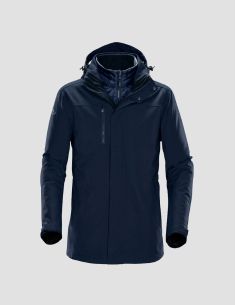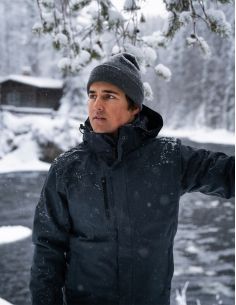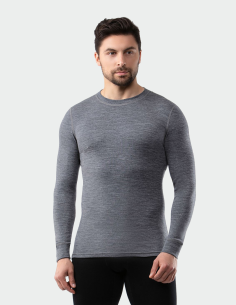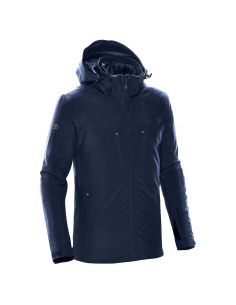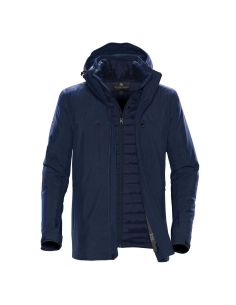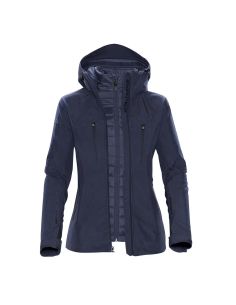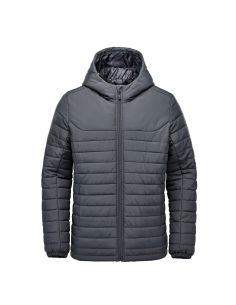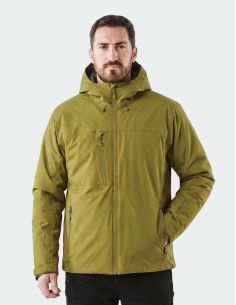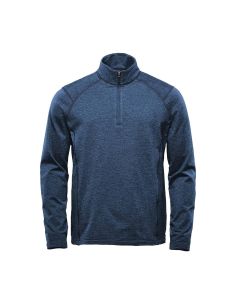
- -20° C
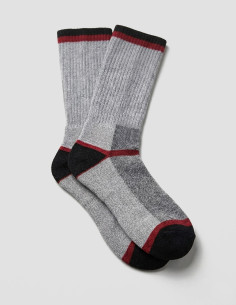
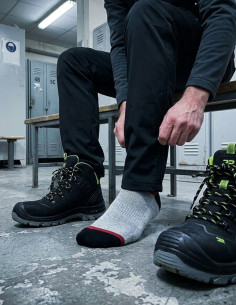
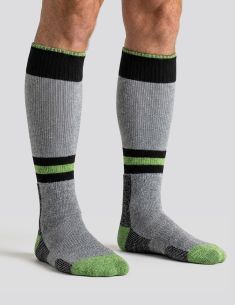
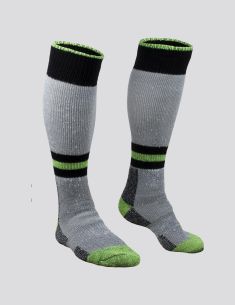
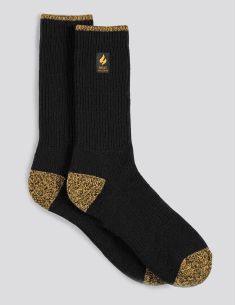
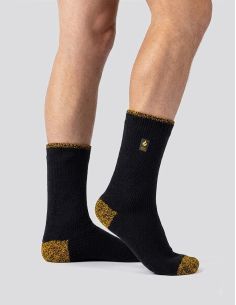
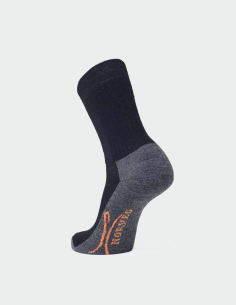
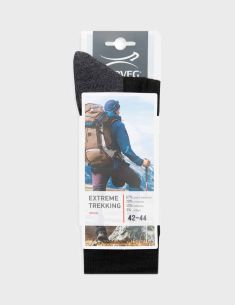
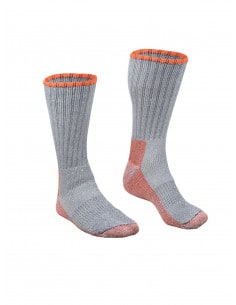
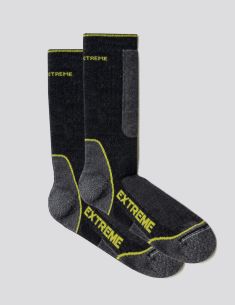
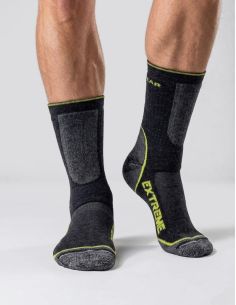
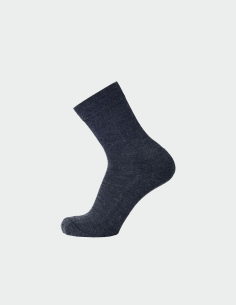
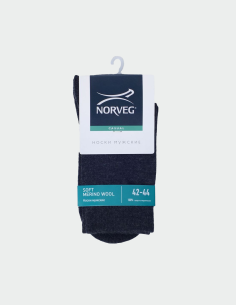
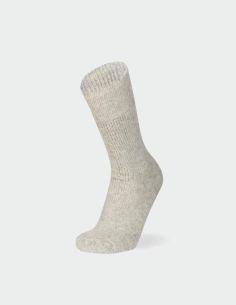
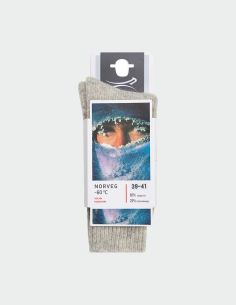
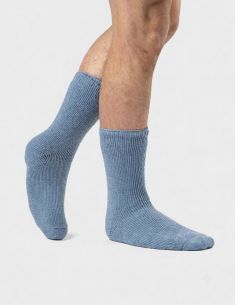
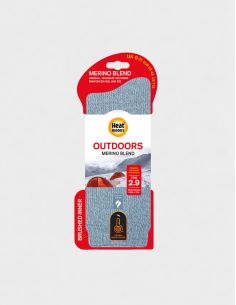
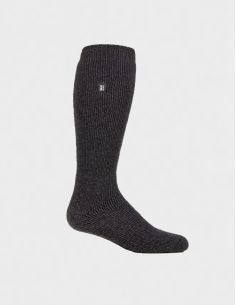
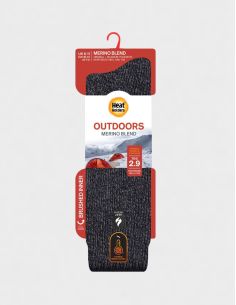
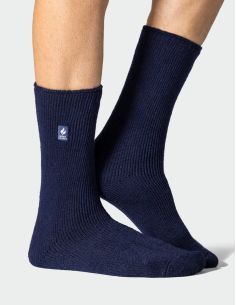
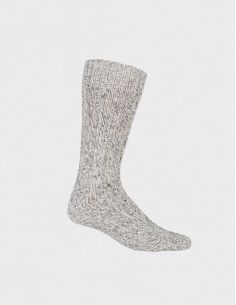
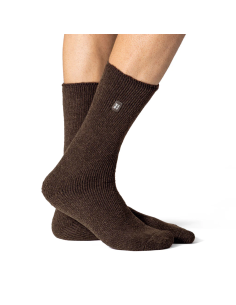
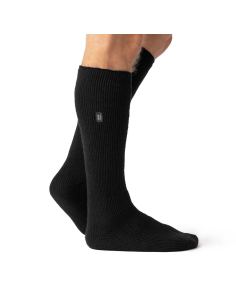
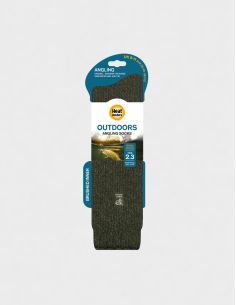
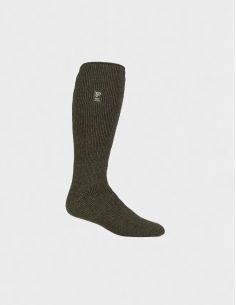
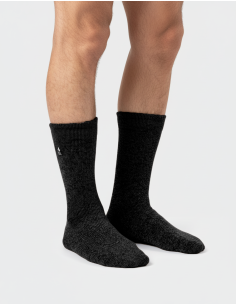
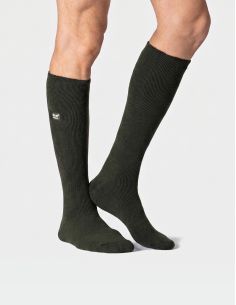
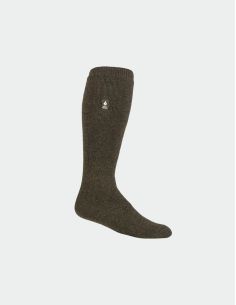
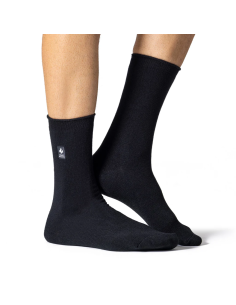
- High-profile thermal socks engineered for cold storage and industrial settings. Merino-rich construction for warmth and durability.
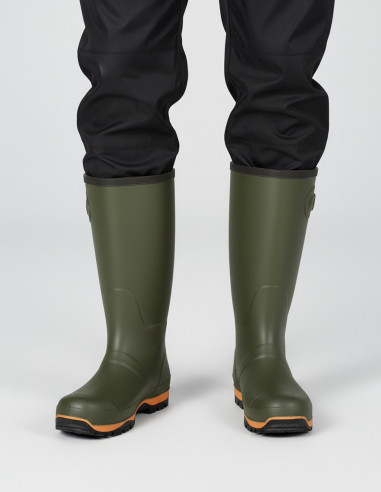
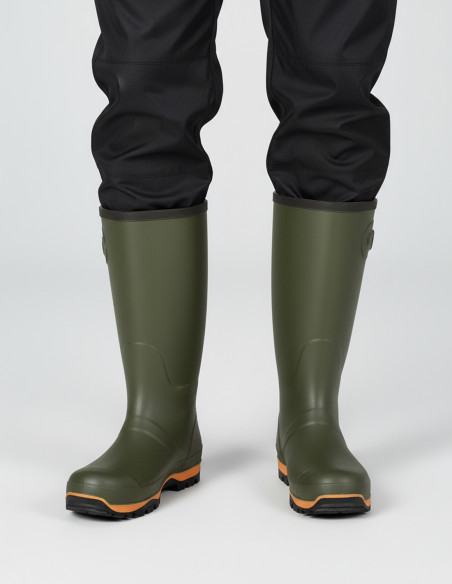
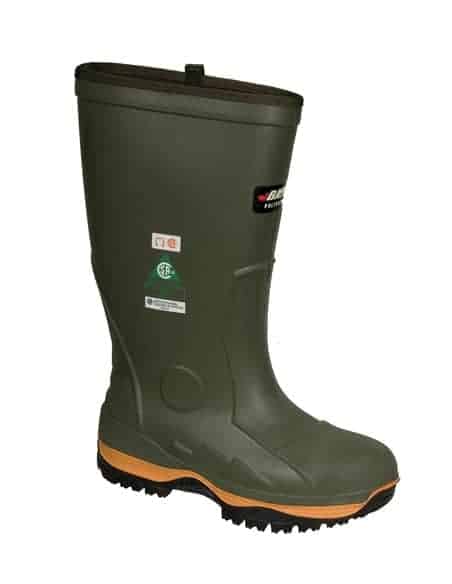
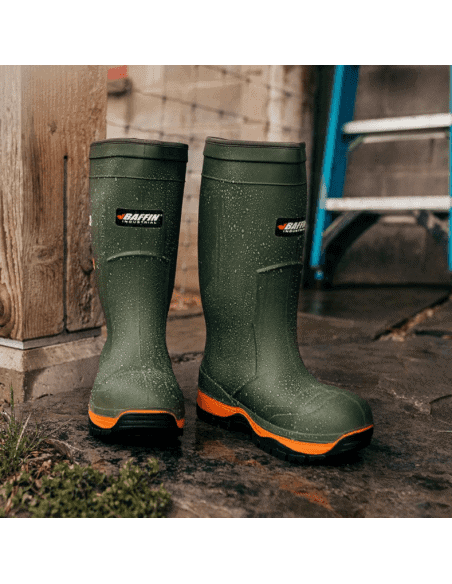
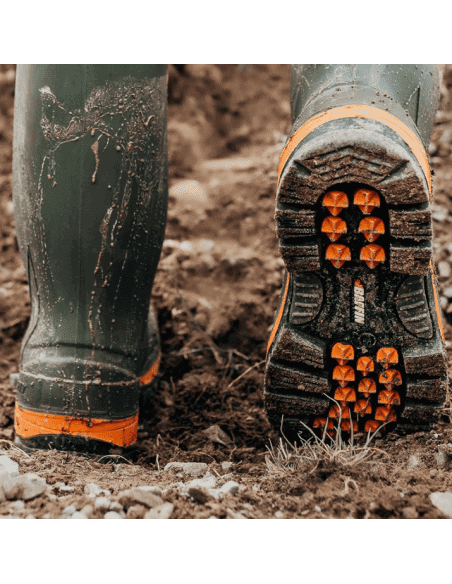
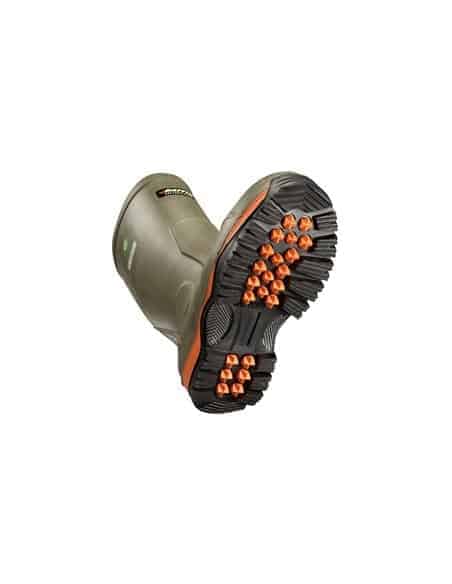
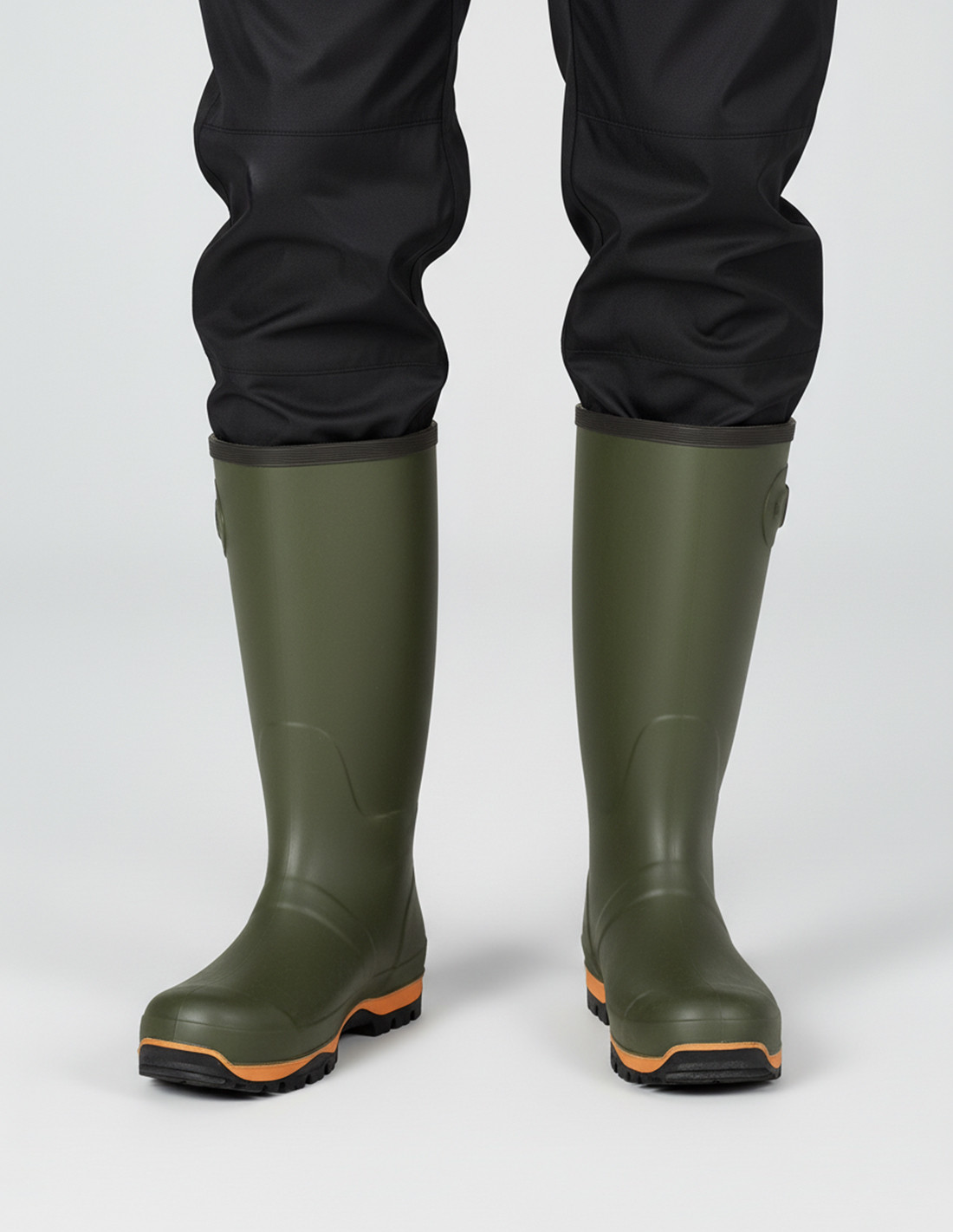
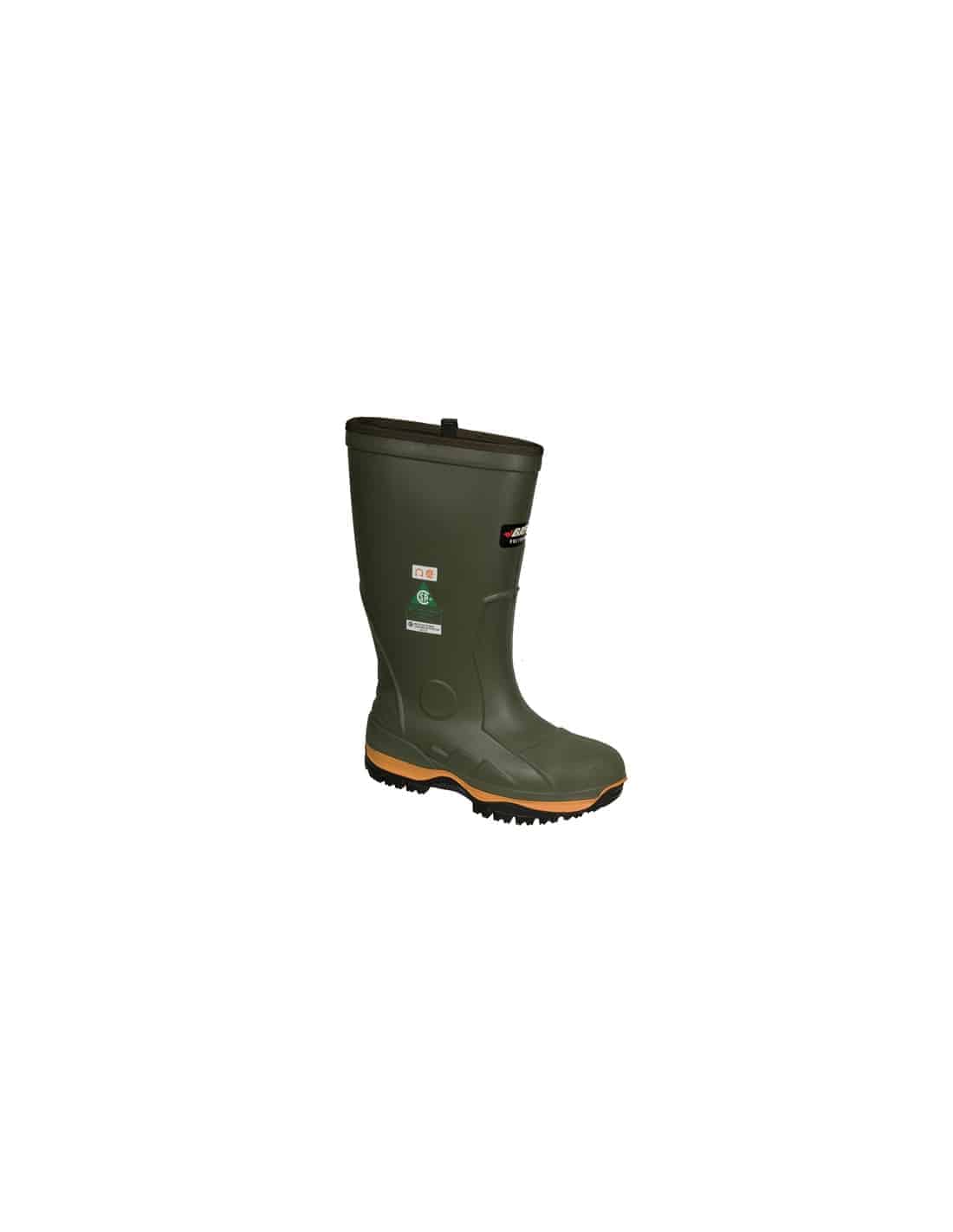
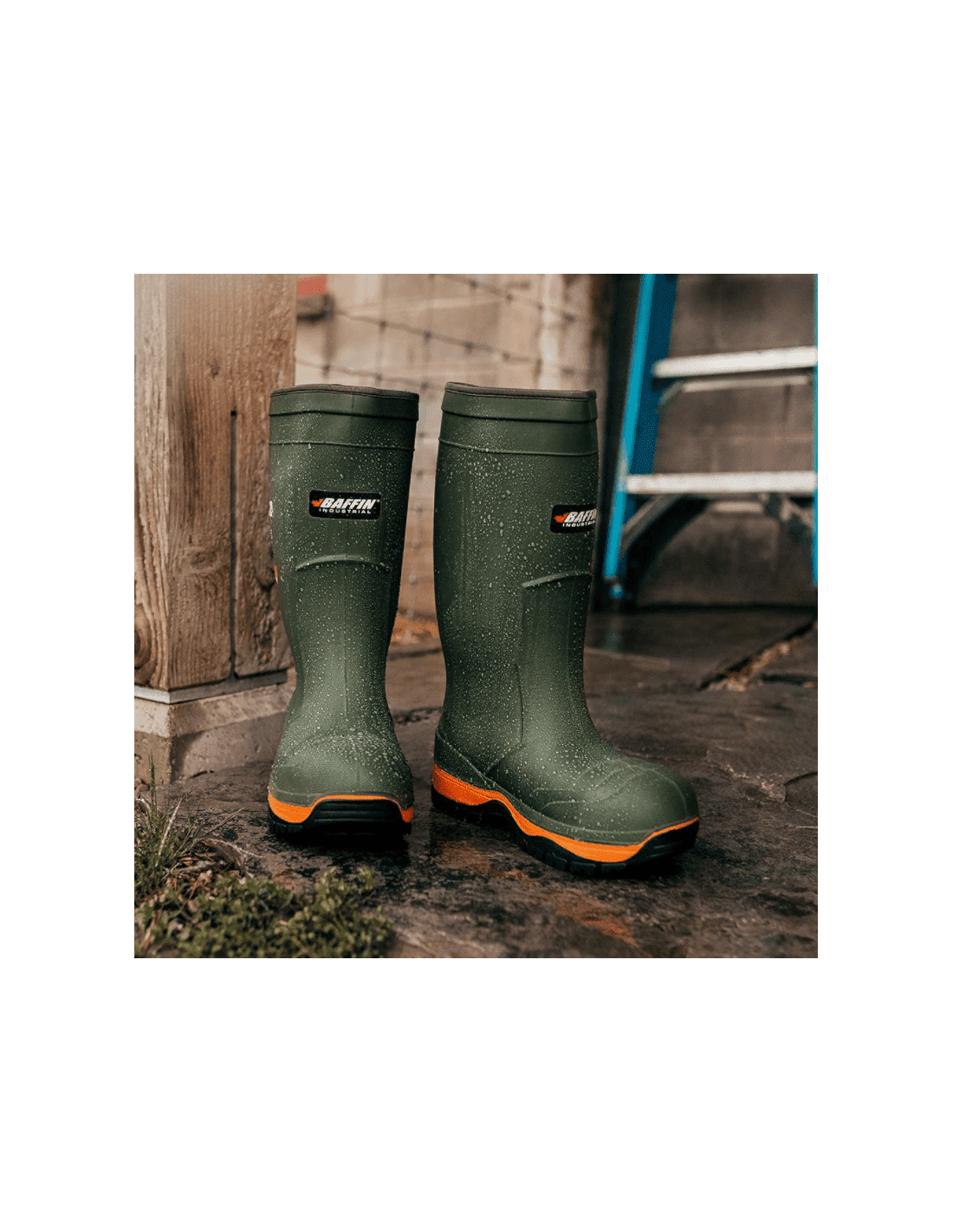
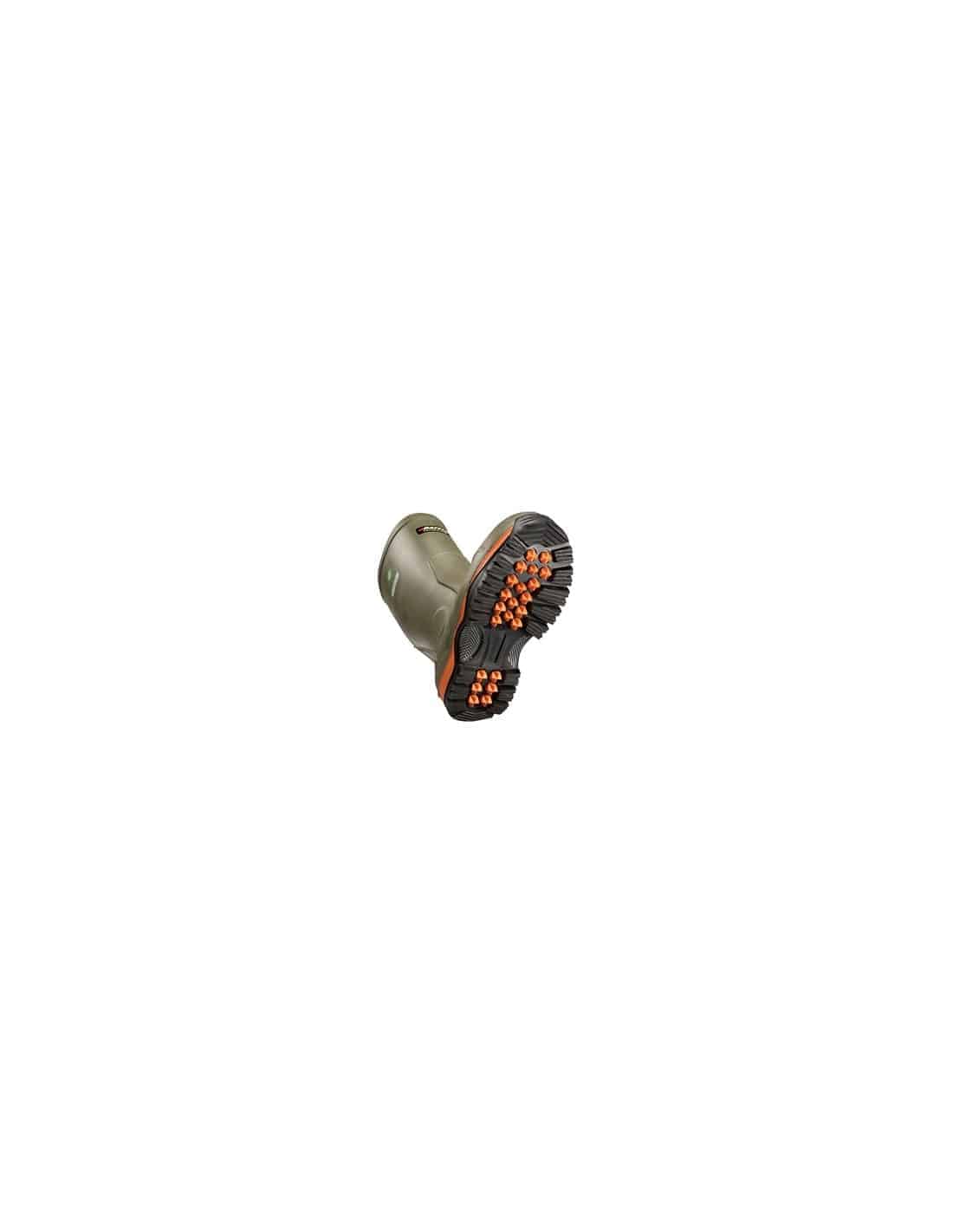
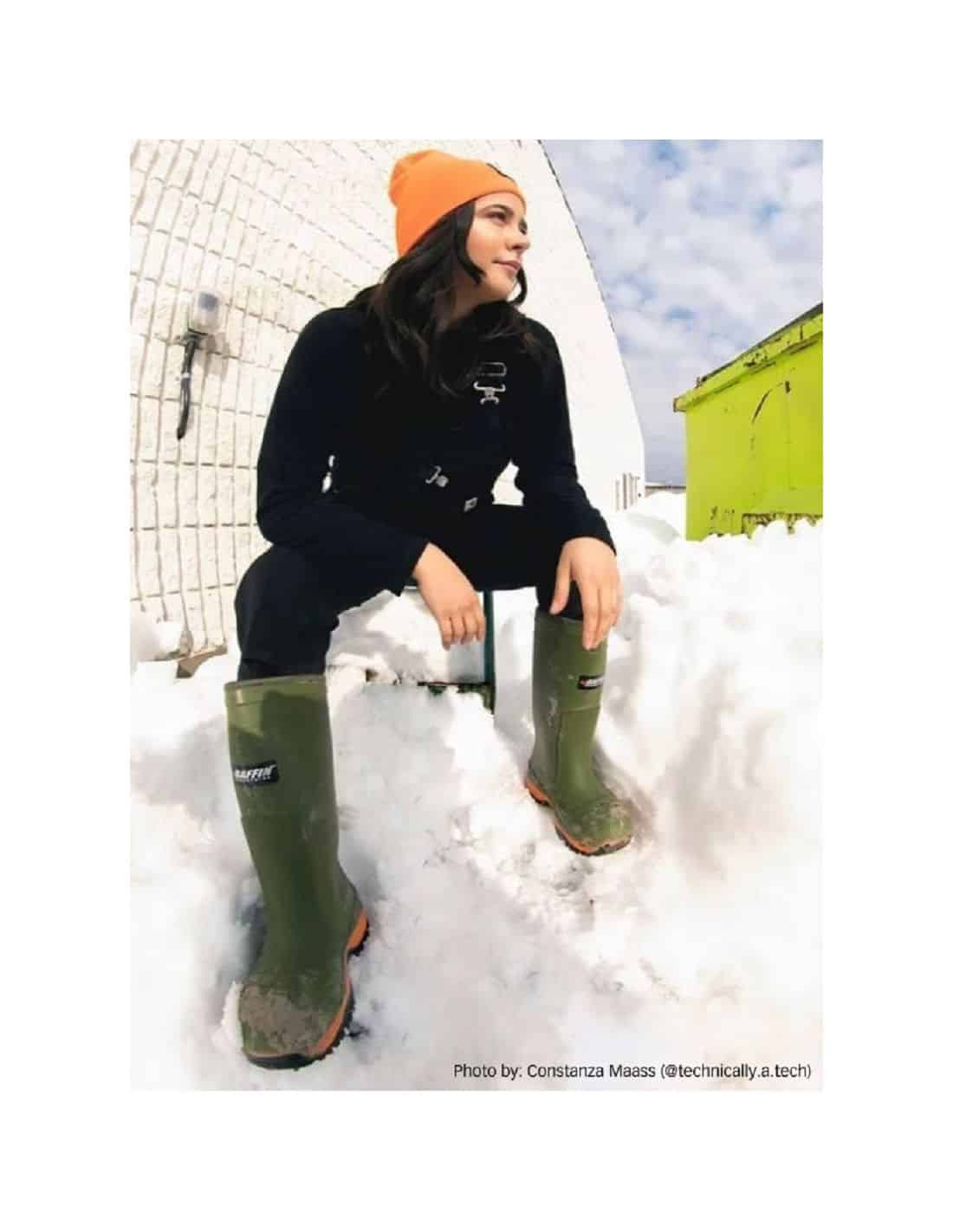
Baffin Icebear EPS safety boot, rated at an indicative −50 °C / −58 °F. Seamless moulded polyurethane upper at 39.4 cm (15.5 in), cold and crack resistant. Composite safety toe and penetration-resistant plate, Polar Rubber™ lug outsole resistant to oil and acid. SB, PL, SR, FO marking. Slip-on, wide fit. EUR sizes 39 to 47.
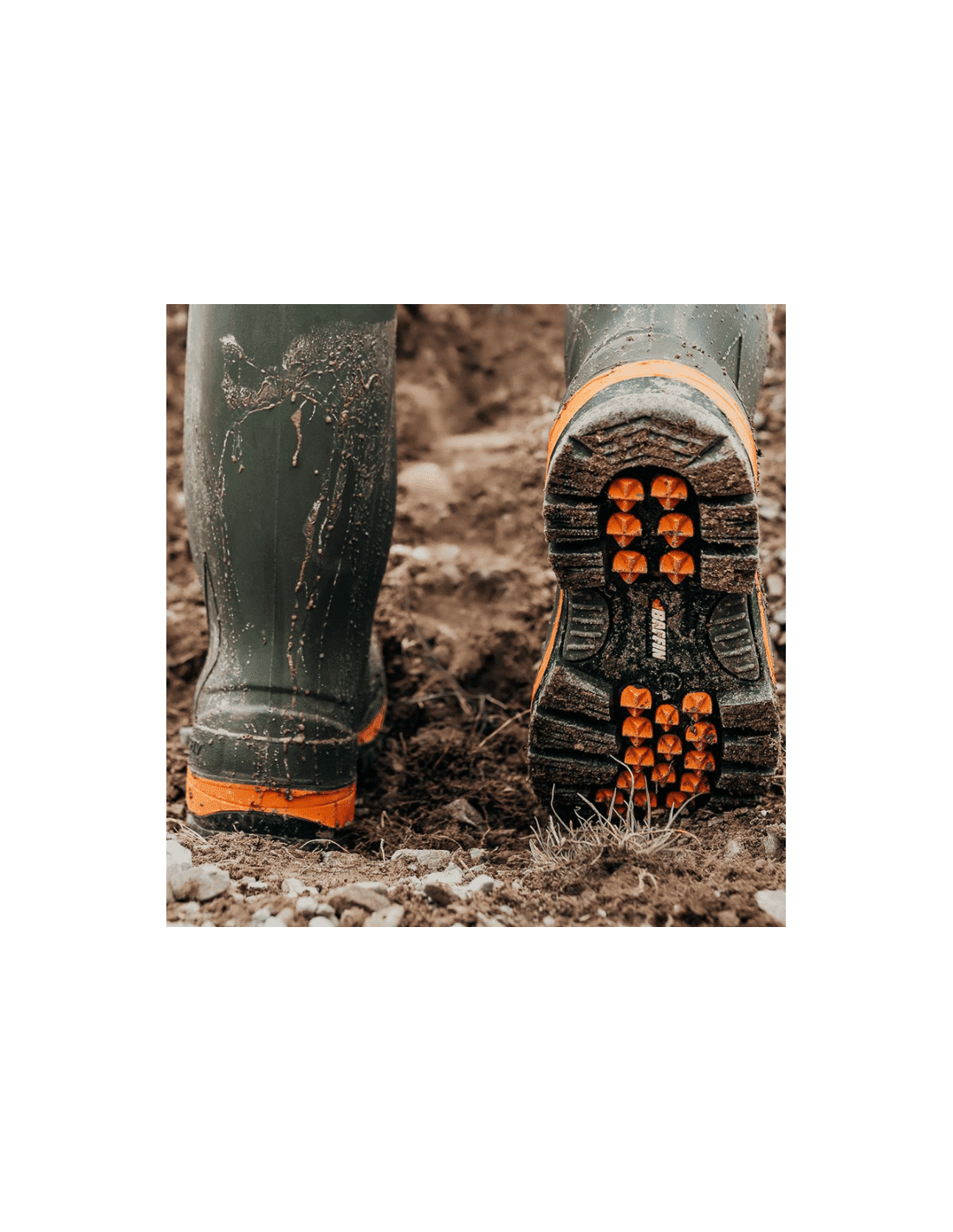
Protection given down to −50 °C / −58 °F*. The Icebear EPS is a one-piece work boot: a 39.4 cm (15.5 in) moulded polyurethane upper with no seams to let water in, abrasion resistant and formulated not to crack in cold. It carries a composite safety toe and penetration-resistant plate, a Polar Rubber™ lug outsole resistant to oil and acid, and an anti-fatigue insole. Wide fit through the foot and the calf, slip-on entry. CSA, ASTM and CE approved, ESR/EH rated. EUR sizes 39 to 47.
On a site in sub-zero cold, an ordinary safety boot raises a problem nobody anticipates at the point of purchase: rubber and polyurethane stiffen, then split along the flex lines, and the protection is gone long before the outsole wears out. The Icebear compound is formulated to stay supple and resist cracking in cold — that is what the model exists for, more than the insulation. Second point from the field: it slips on and comes off in one movement, which counts when you are climbing on and off plant twenty times a day with gloves on.
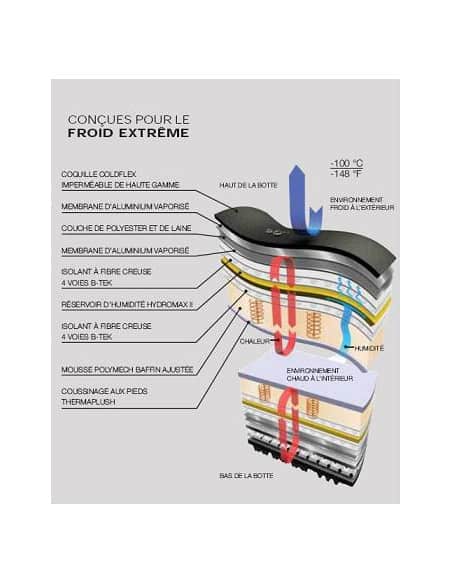
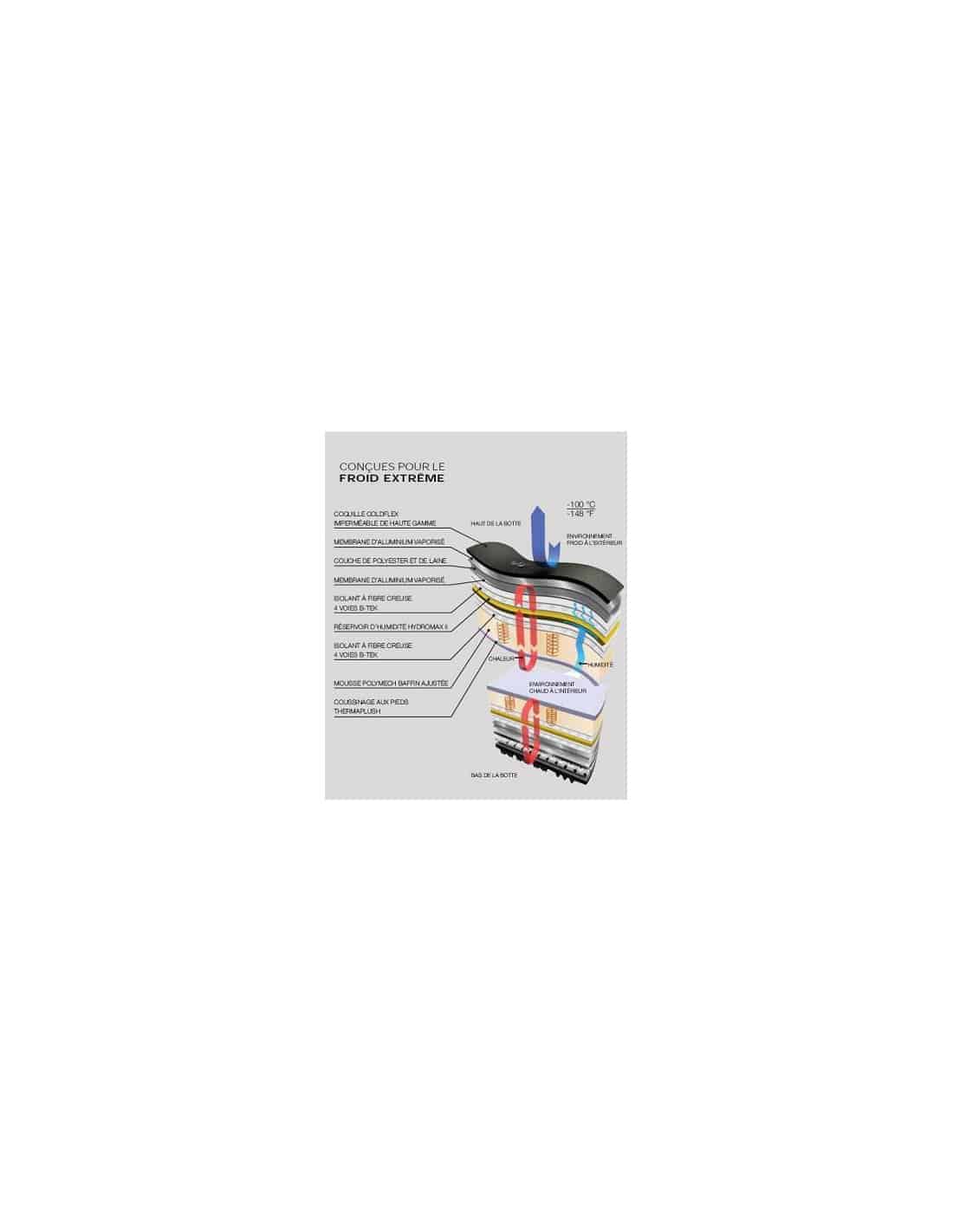
At the feet, the main route of heat loss is conduction: frozen ground, or the concrete floor of a cold store, draws warmth away by contact far faster than air does. The Icebear's polyurethane insulation is built into the structure of the boot itself, which removes the thermal bridges of a stitched assembly and cuts that transfer across the whole bearing surface. The TPU compound in the base and the polyurethane in the upper share the same property: they keep their flexibility below zero instead of stiffening, which preserves both walking comfort and the integrity of the material. The wide fit also plays a thermal part: it leaves room for a thick sock without compressing, and it is compression that crushes the air and removes the insulation.
Because it handles together two demands that are usually met separately: protecting the foot and working through prolonged sub-zero cold. The one-piece construction removes seams and thermal bridges, the compound keeps its flexibility as the temperature falls, the composite toe and plate hold the mechanical protection without adding conductive metal, and the lug outsole keeps its bite on packed snow as much as on a greasy floor.
PPE is only worth what it is while intact: the flex lines are what give the signal
* Indicative temperature. Perceived warmth varies with activity, body type, humidity, wind, length of exposure and the socks worn.
You might also like