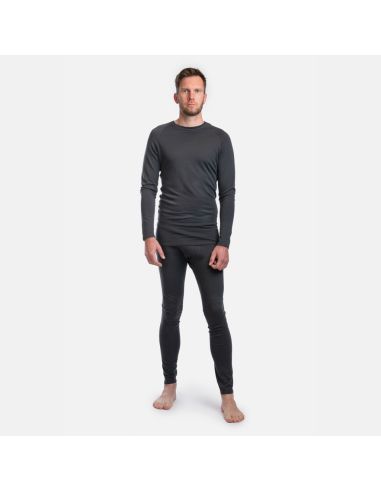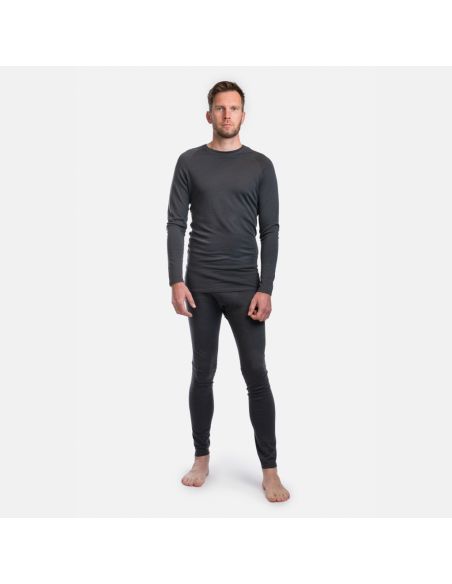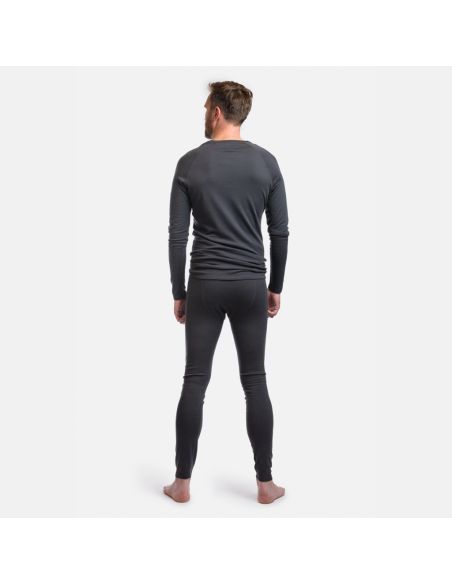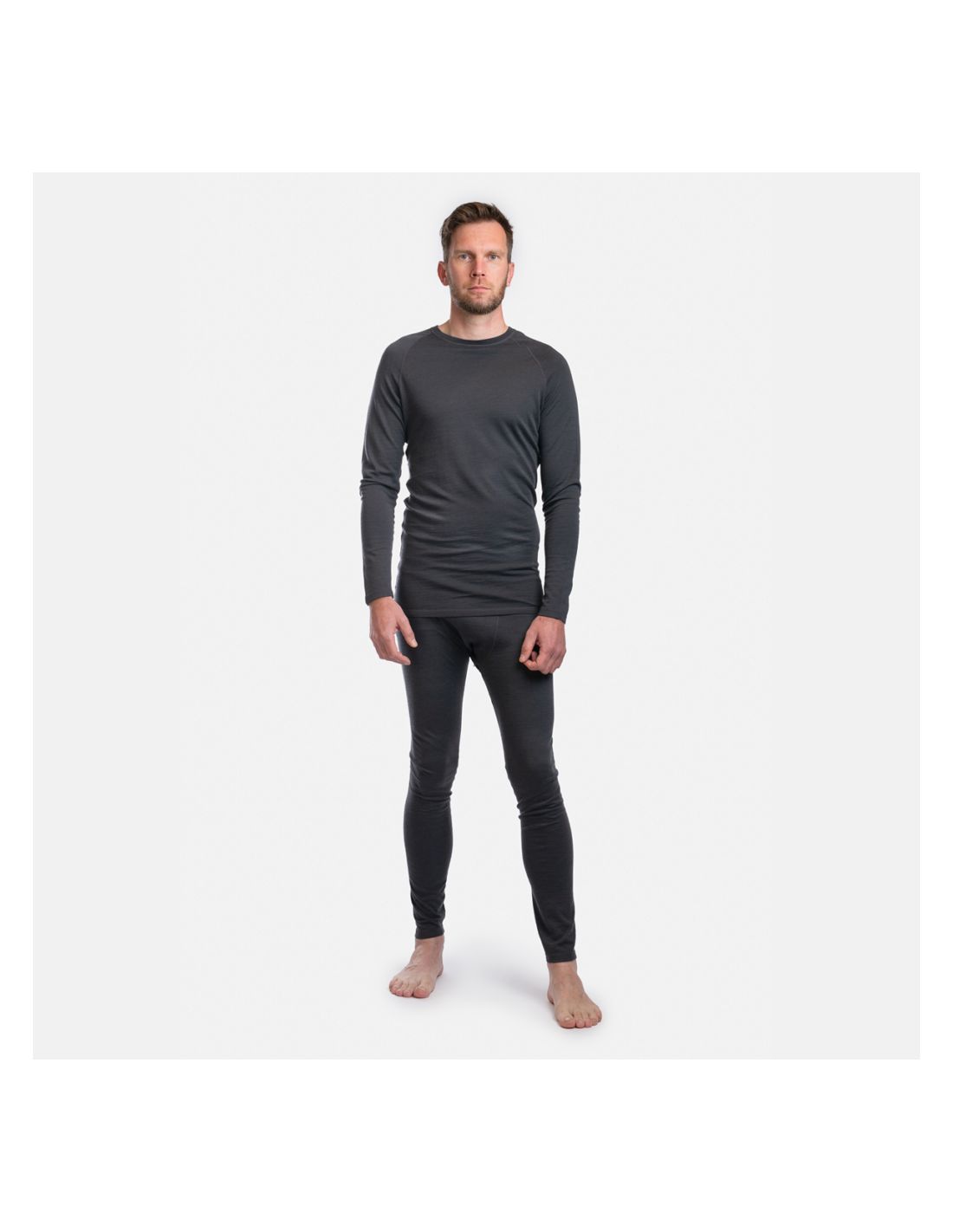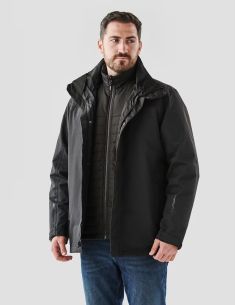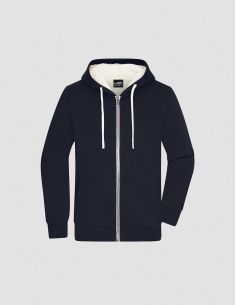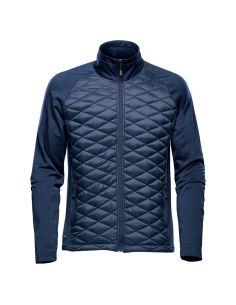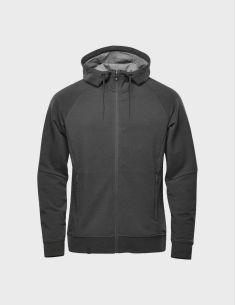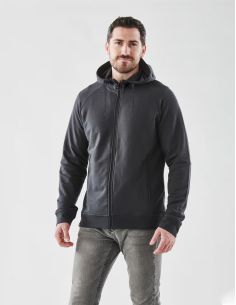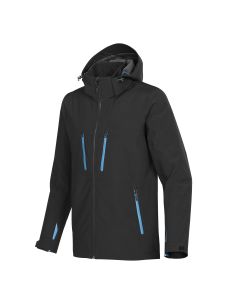
- -30° C
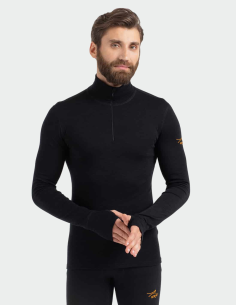
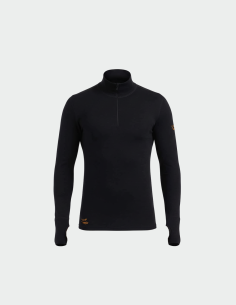
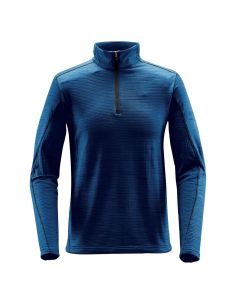
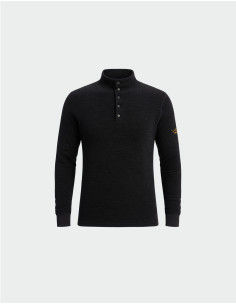
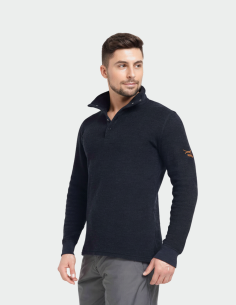
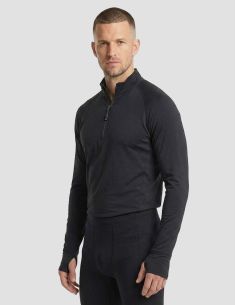
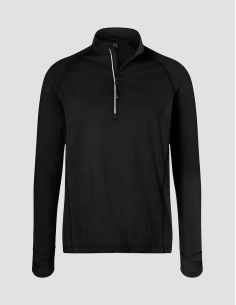
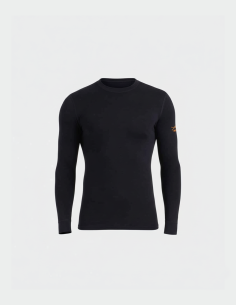
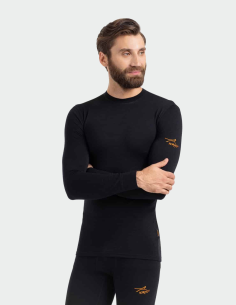
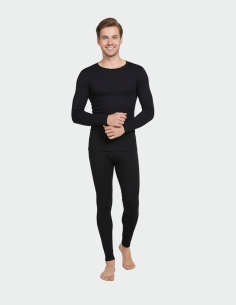
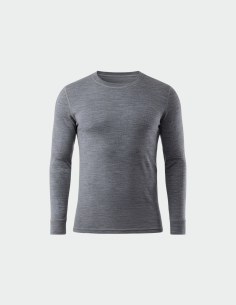
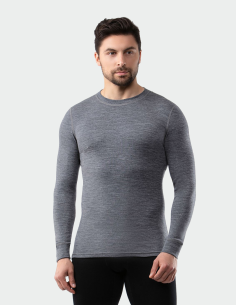
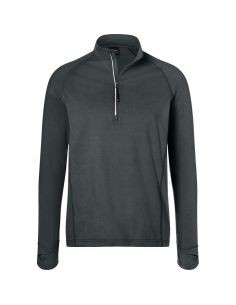
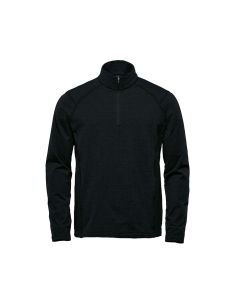
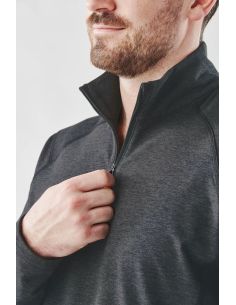
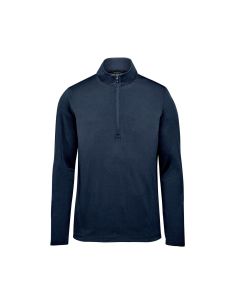
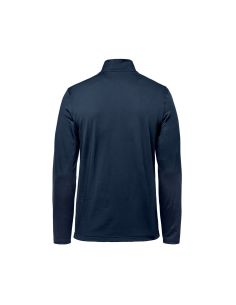
- Men’s thermal zip top with ergonomic cut and thumbholes. Designed for active or long-term use in cold weather. Active Protection series – Norveg. Colour: black.
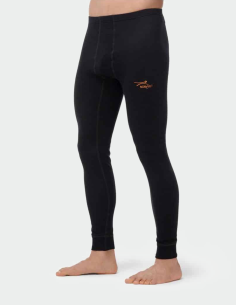
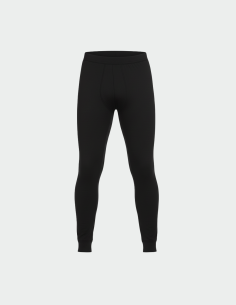
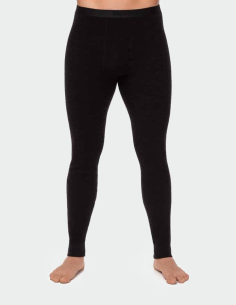
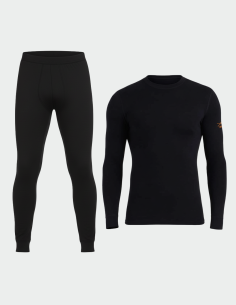
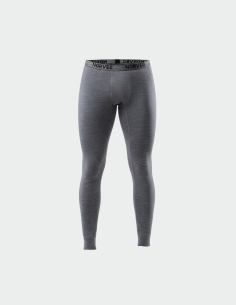
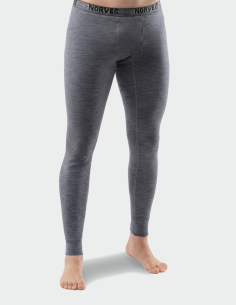
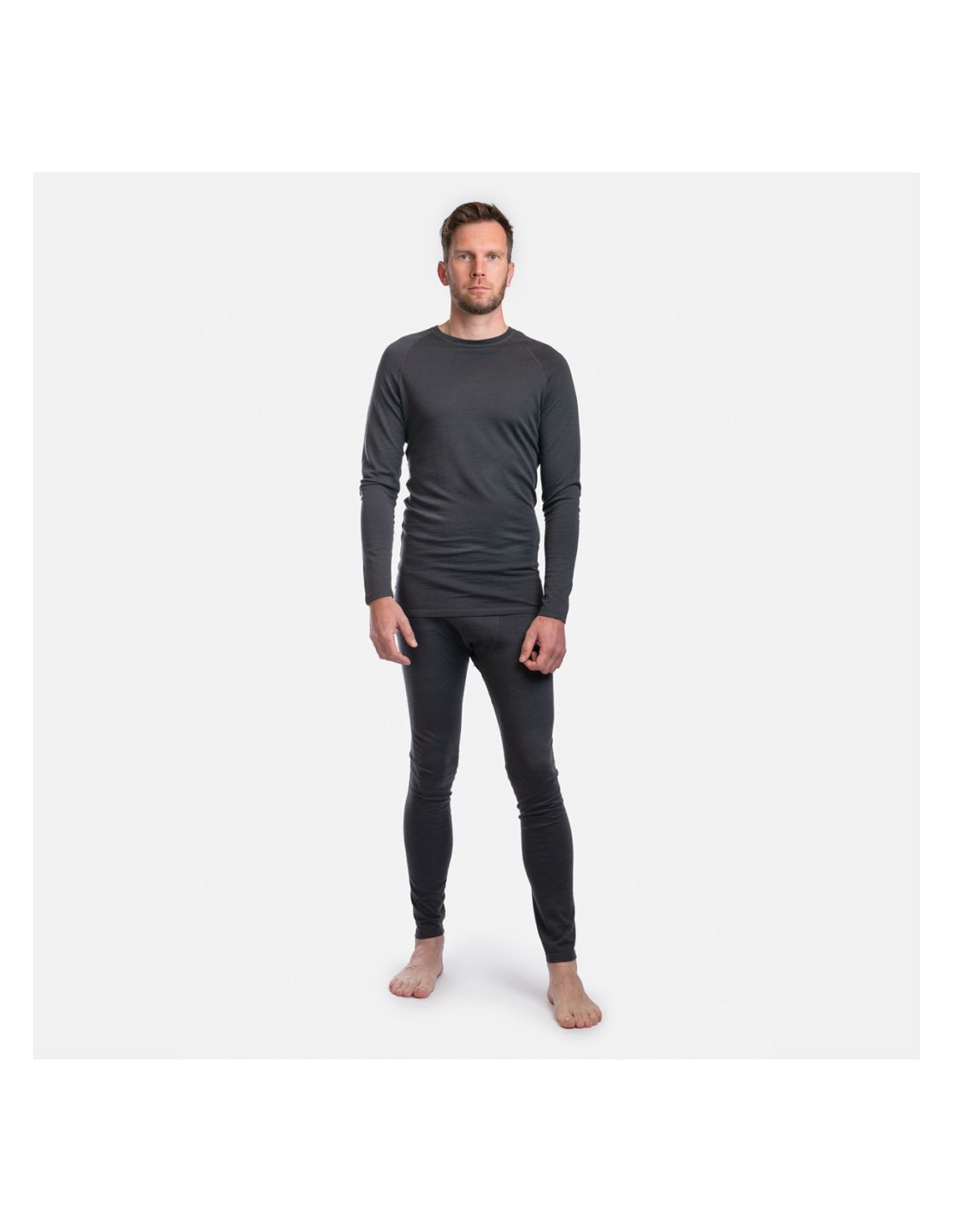
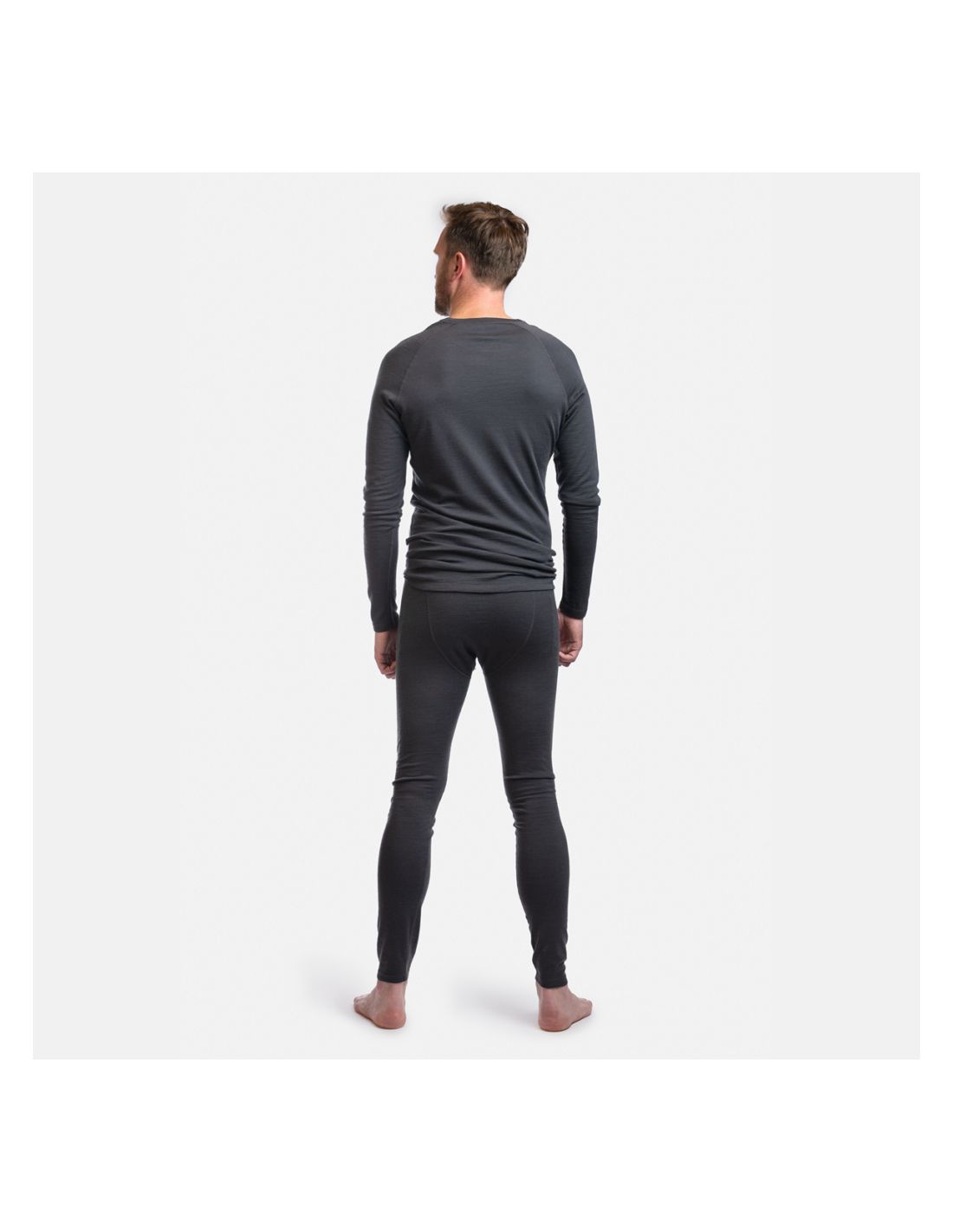
The Kari Huppa thermal set combines a long-sleeved top and long bottoms, merino face, bamboo reverse (50% merino wool, 46% bamboo, 4% nylon). Worn under your outer clothing, it keeps the skin dry and holds the heat down to −20 °C / −4 °F. In sizes M to 3XL and hypoallergenic, it can be worn against the skin all day.
Kari is a thermal set made up of a long-sleeved top and long bottoms, in merino on the outside and bamboo next to the skin (50% merino wool, 46% bamboo, 4% nylon).
Merino holds the warmth, bamboo stays soft on the skin and nylon strengthens the set. Kari is worn under your outer clothing: it keeps the skin dry and holds the body's heat.
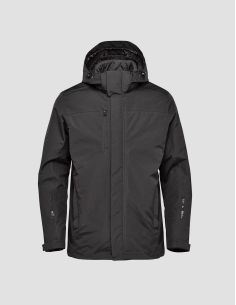
A damp base layer cools the body faster than the cold itself: it is wet skin that loses heat. The bamboo next to the skin absorbs moisture and the merino holds the warmth. Wear Kari directly against the skin, with no other layer underneath, and add a suitable jacket or parka over it: a base layer does not replace outerwear.
Kari keeps the body warm down to −20 °C / −4 °F, worn under a jacket or parka suited to severe cold. On its own it does not replace outerwear: it keeps the skin dry and holds the heat the body produces. Below −20 °C / −4 °F, or during a long stop, add an insulating layer between Kari and your outer clothing: a still body produces less heat than a moving one. In the wind, the felt cold is sharper than the temperature read: that is why the value is indicative.
Kari combines a top and bottoms in the same material: merino and bamboo, with a little nylon. The body stays warm, the skin stays dry and comfortable, and the set holds up over time.
The layer against the skin decides everything else: if it holds moisture, it cools the body, even under a very good jacket. A base layer that wicks moisture keeps the heat where it is useful.
Why choose this base layer:
* Indicative temperature. Perceived warmth varies with activity, body type, humidity, wind and the layers worn underneath.
You might also like