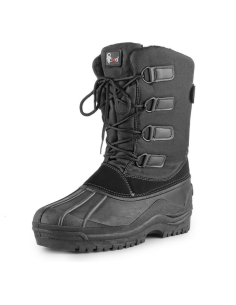
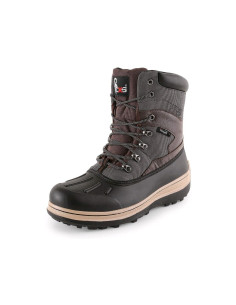
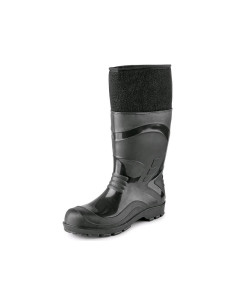
Severe Cold Fur-Lined Work Boots Frosta — CXS
Protection Severe Cold
Insulation 300 g fur
Shaft height 34.5 to 36.5 cm
Thermal protection −25 °C / −13 °F*
300 g fur and a CI-certified outsole Warm, for working outdoors in winter
Three hundred grams of fur, and a shaft that reaches the calf
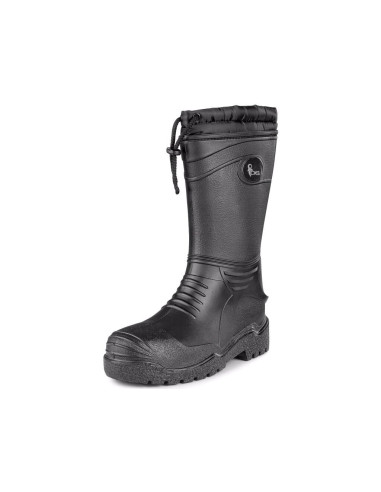
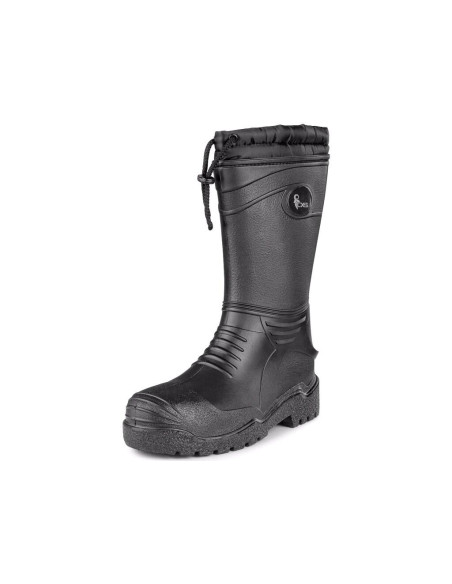
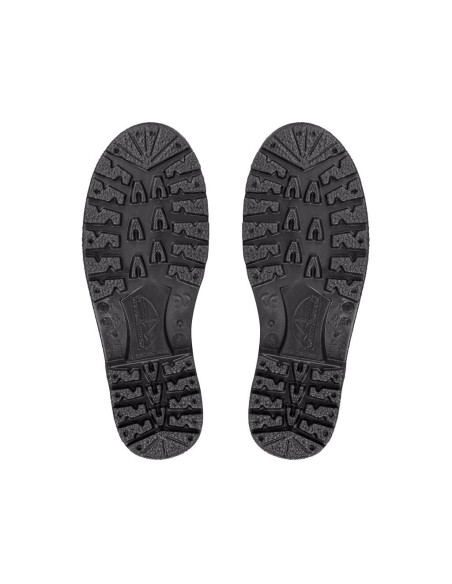
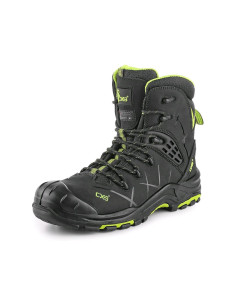
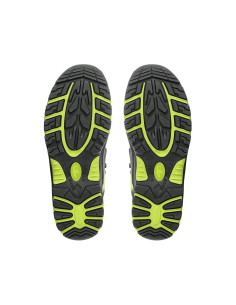
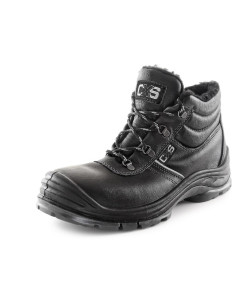
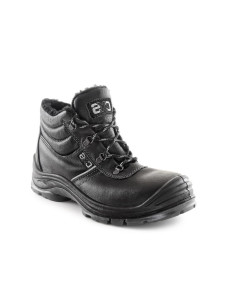
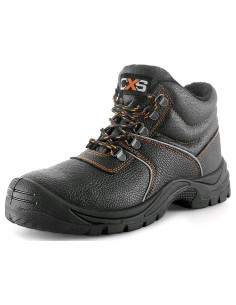
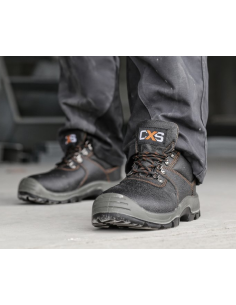
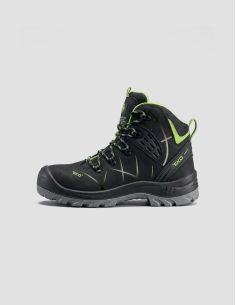
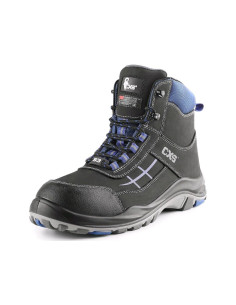
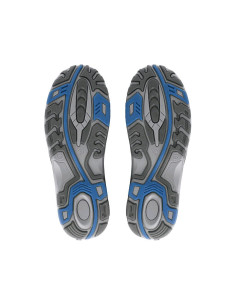
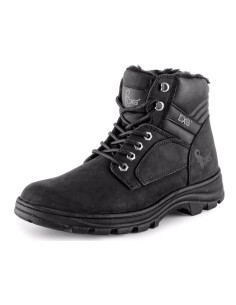
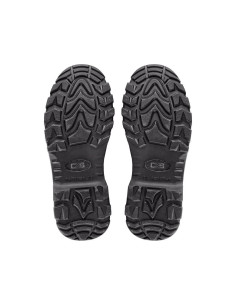
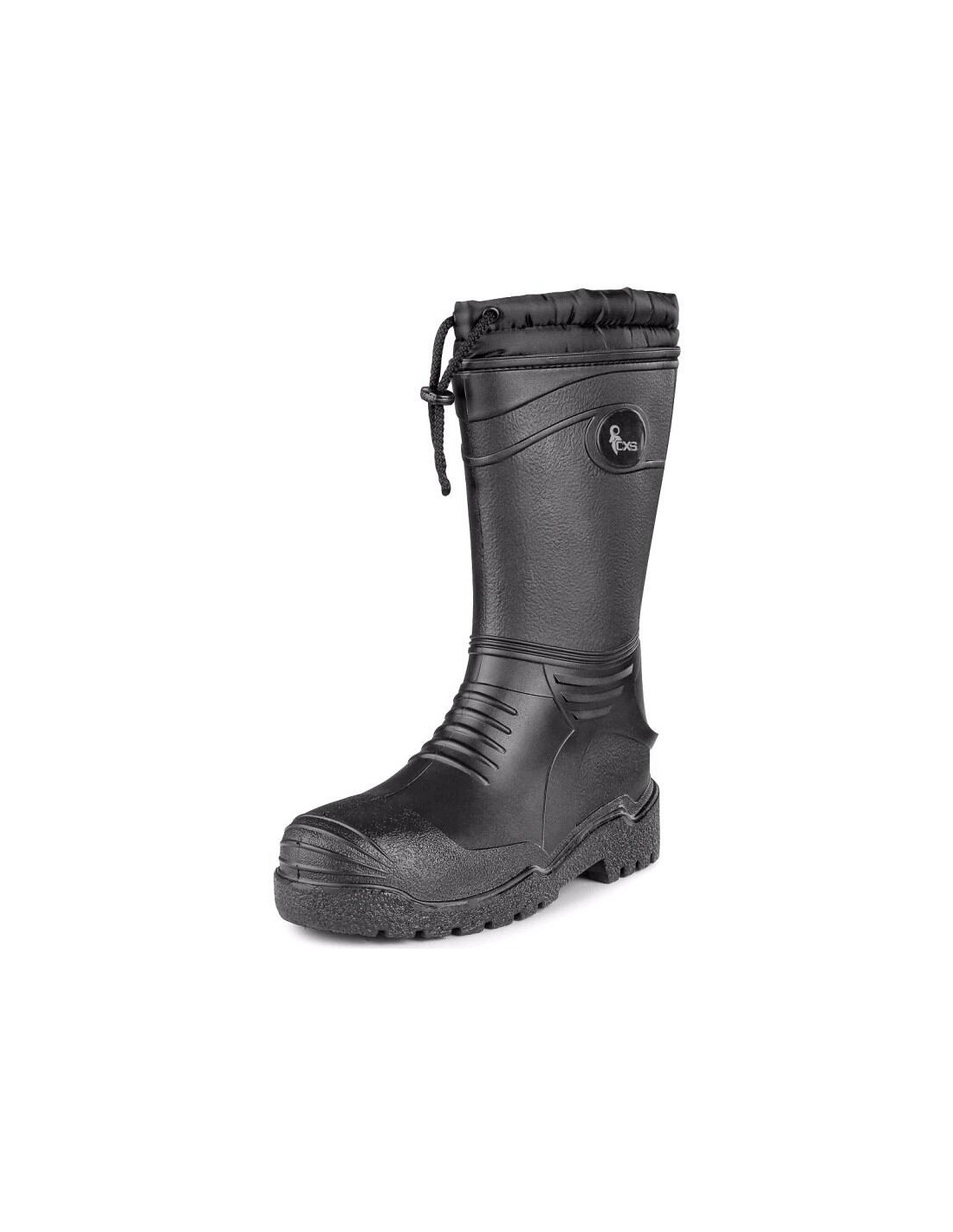
The Frosta boots are lined with 300 g of synthetic fur — the thickest fill in our winter footwear range. The shaft rises from 34.5 to 36.5 cm depending on the size, up to the calf: it covers the area that ankle boots leave bare and closes the way to snow. The slip-resistant outsole carries the CI marking, insulation against cold, and absorbs energy at the heel. The boot is entirely metal free, so there is no part conducting cold to the inside, and its upper is water resistant. Sizes 38 to 46, made in Europe.
Grand-Froid expert's view
Three hundred grams of fur and thirty-six centimetres of shaft is a lot of warmth for the money. These are cold-weather boots, not safety footwear. On a job where you stand outdoors with no crushing risk, they do what ankle boots cannot.
What is it designed for?
These boots suit jobs carried out outdoors in the cold that call for no protective toe cap.
- Static outdoor posts: security, reception, weighing, access control
- Snow and snow-covered ground: the calf-high shaft closes the way in from above, where an ankle boot lets it through
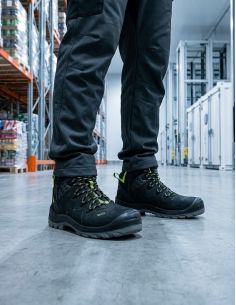
- Logistics and unheated bays: in and out all day, long spells standing on concrete
- Grounds and municipal services: winter rounds, clearing snow, upkeep
- Off duty: firewood, the garden, winter days out, where comfort counts more than the standard
On a job exposed to falling or crushing loads, safety footwear with a toe cap is still required.
Thermal protection
The warmth comes first from thickness. The 300 g of synthetic fur holds a deep layer of air around the foot and the calf, and it is that still air that insulates. It is the heaviest fill in our footwear range, where the models with a stated insulation weight sit at 200 g.
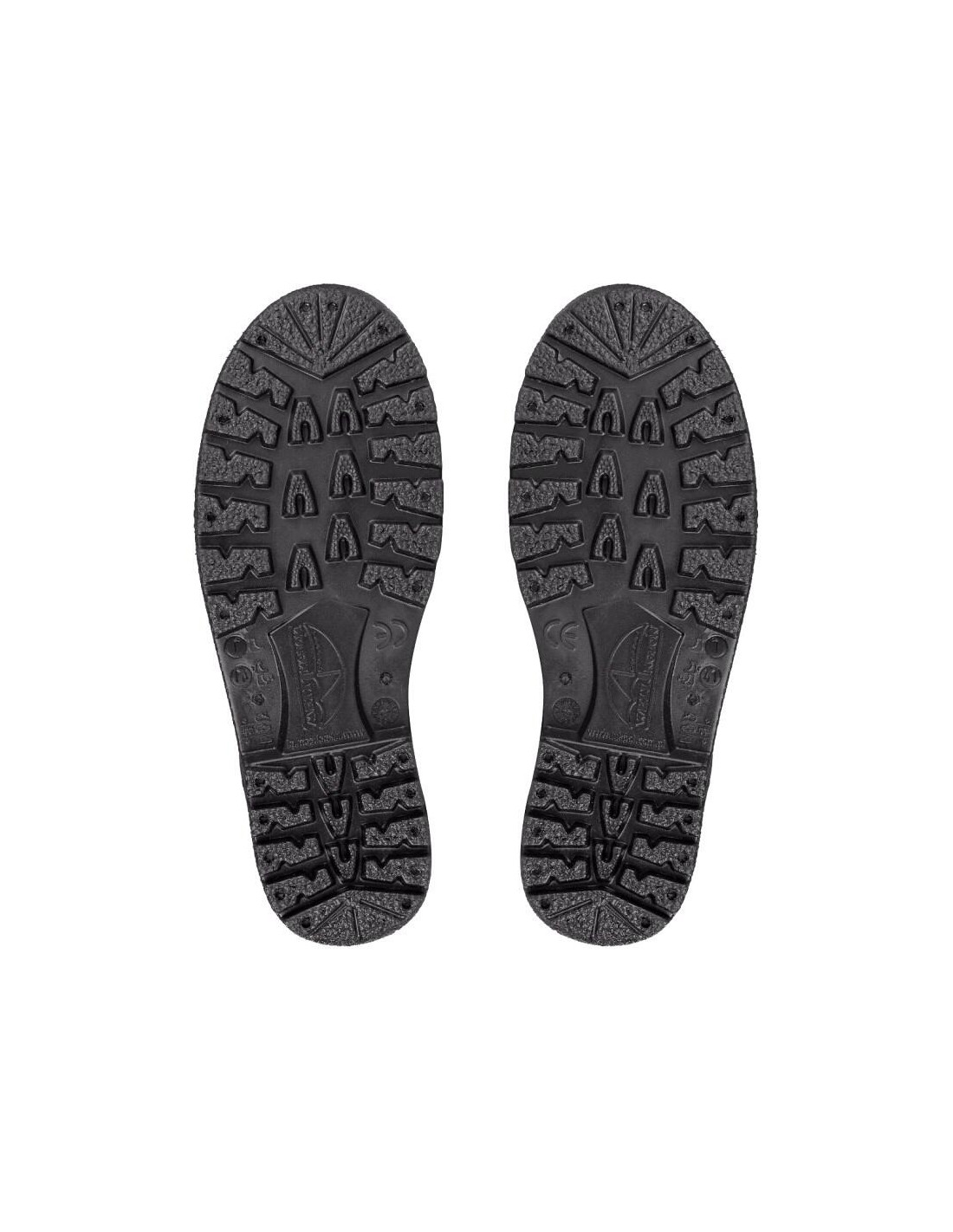
Underfoot, the outsole carries the CI marking. That is not a marketing claim but a test: the whole boot spends thirty minutes at −17 °C / 1 °F, and the temperature measured inside must not drop by more than 10 °C. That is what deals with cold from the ground, the one you are in contact with all the time.
Two further points of build complete the picture. Being metal free removes the thermal bridges: a steel toe cap or midsole conducts cold to the inside, which does not happen here. And the high shaft covers the calf, a surface ankle boots leave bare and through which heat escapes.
Technical specifications
- Standard: EN ISO 20347:2022, occupational footwear, marking OB CI SR
- CI — insulation of the sole against cold
- SR — slip-resistance test
- OB — the basic requirements of the standard, with no protective toe cap: these are not safety footwear
- Insulation: synthetic fur, 300 g
- Shaft height: 34.5 to 36.5 cm depending on the size
- Water-resistant upper
- Energy absorption at the heel
- Slip-resistant outsole
- Entirely metal free
- Made in Europe
Size guide
European sizes, from 38 to 46. The table gives the insole length — measure your foot flat on a sheet of paper, from heel to longest toe, and take the size whose length exceeds yours by about a centimetre.
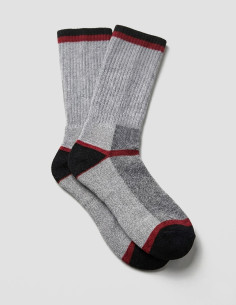
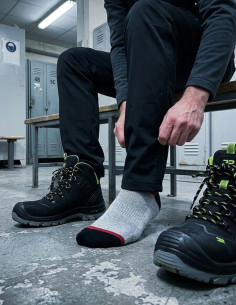
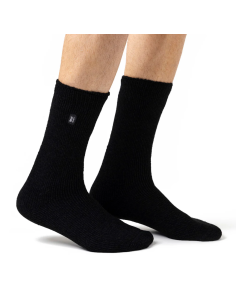
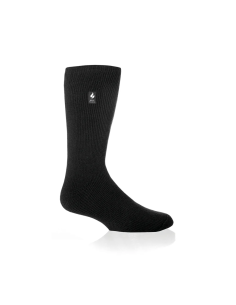
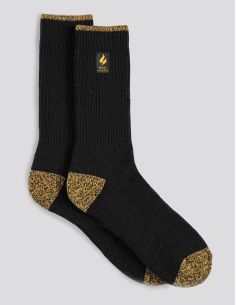
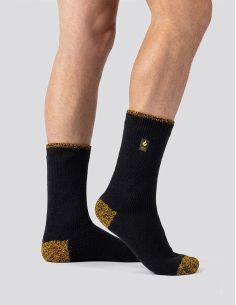
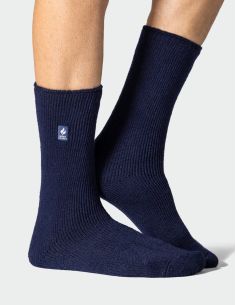
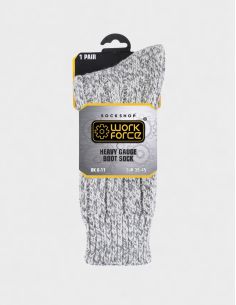
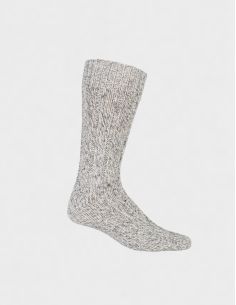
Rule number one: keep the foot dry. It is moisture, far more than the outside temperature, that cools a foot as the day goes on. Wear a mid-weight wool sock, which absorbs perspiration and moves it away from the skin, and carry a second pair to change into at midday if you are out all day.
| Size (EU) | 39 | 40 | 41 | 42 | 43 | 44 | 45 | 46 |
|---|
| Insole length (cm) |
25.8 |
26.4 |
27.1 |
27.8 |
28.4 |
29.1 |
29.8 |
30.4 |
| Shaft height (cm) |
34.5 |
34.5 |
35 |
35 |
35.5 |
36 |
36 |
36.5 |
| Weight per pair (kg) |
1.678 |
1.674 |
1.771 |
1.833 |
1.924 |
2.040 |
2.136 |
2.174 |
Dimensions in centimetres, weights in kilograms. Size 38 is sold but does not appear in the manufacturer's table: its weight is 1.522 kg. Actual dimensions may vary by 0.5 to 1 cm depending on production.
Care & Durability
- Brush off mud and snow after use, dry first and then with clean water if needed
- Dry at room temperature in an airy room, away from a radiator or a stove — direct heat distorts the shaft and weakens the bonding
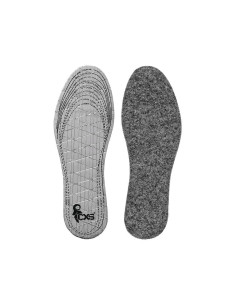
- Take the sockliner out in the evening and leave the boot open, so the fur dries between two days
- Crumpled newspaper inside speeds up the drying without heat
- Alternate two pairs if you can: a boot that dries out fully lasts considerably longer
- Rinse after walking on salted roads, as de-icing products attack the upper and the outsole
- Check the wear on the cleats: their condition is what decides on replacement for a slip-resistant outsole
Return or exchange — 30 days
You have 30 days after receipt to request a return or exchange for this item.
Why choose the Frosta boots?
Because they bring together everything that keeps a foot warm: 300 g of fur, an insulating outsole certified against cold, a shaft that reaches the calf, and no metal part to conduct cold to the inside.
And because the height of the shaft settles a problem ankle boots do not. In snow, what wets the foot comes in from above, not through the sole.
* Indicative temperature. Perceived warmth varies with activity, body type, humidity, the ground and the socks worn.