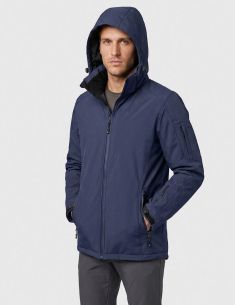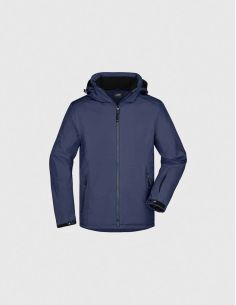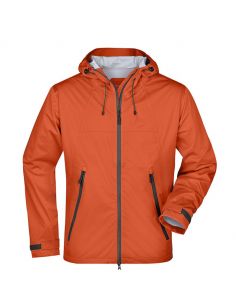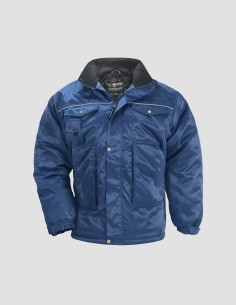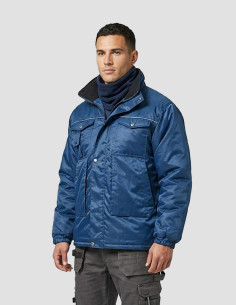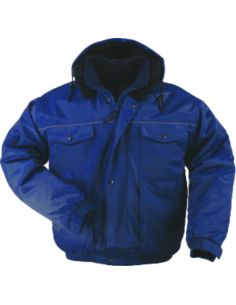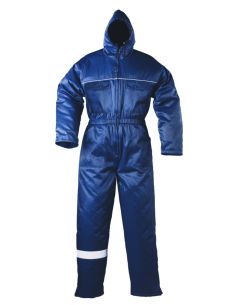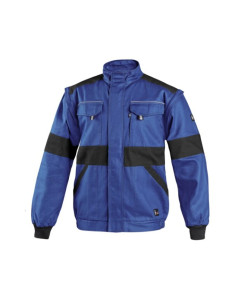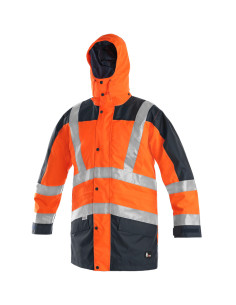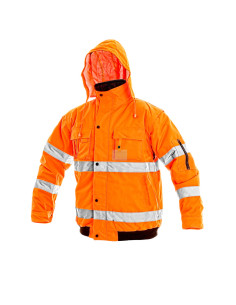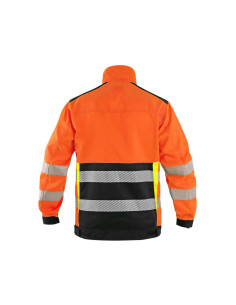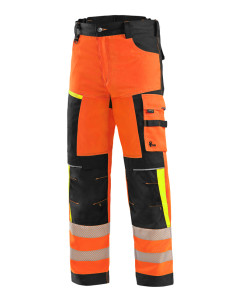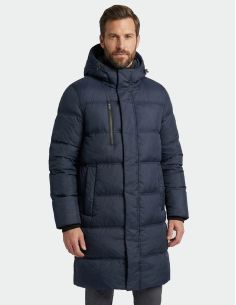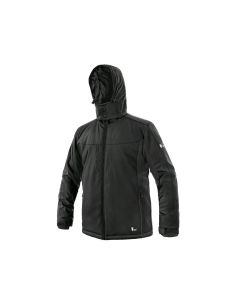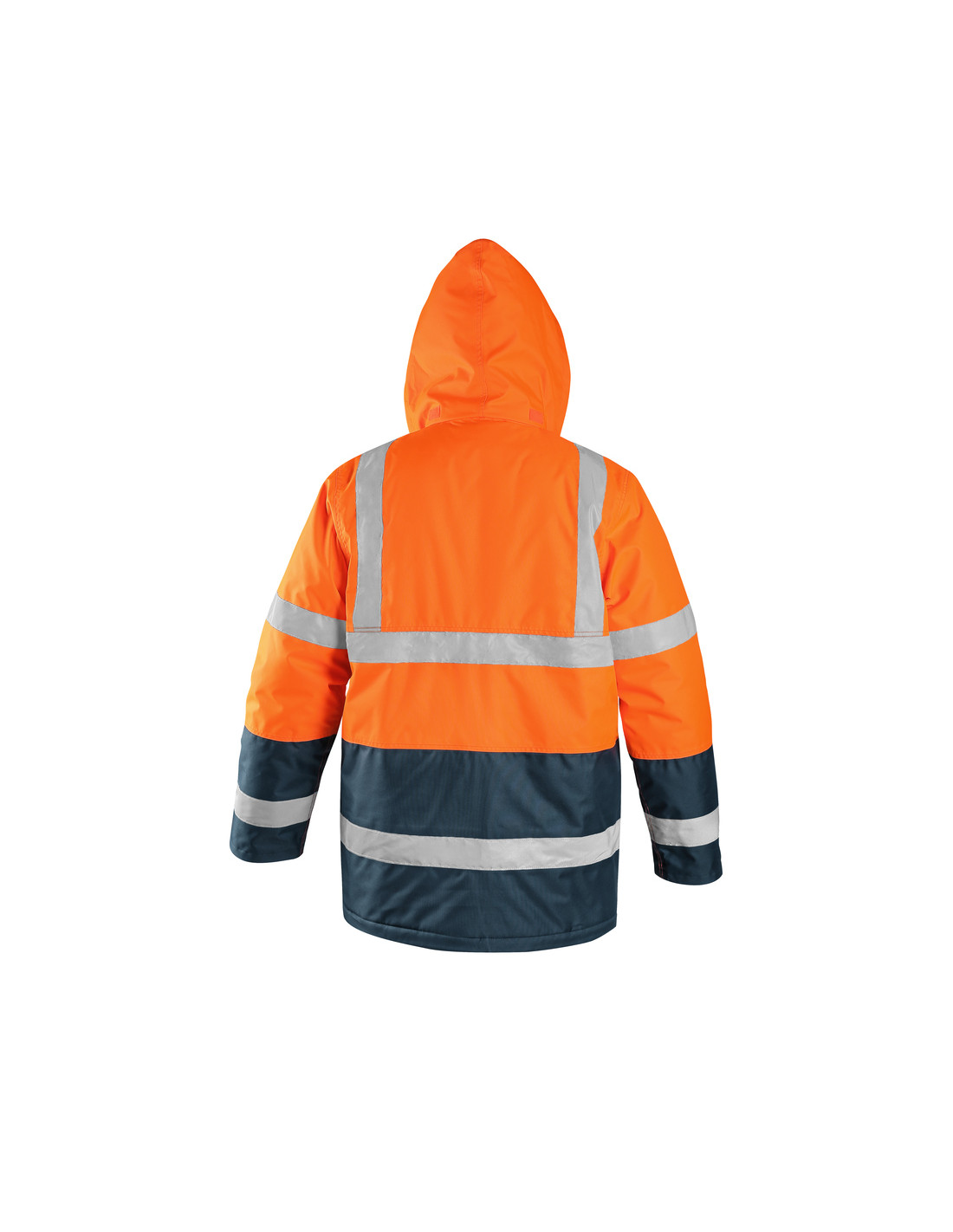
Men's Hi-Vis Winter Parka with Inner Cuffs CXS Oxford

Men's Hi-Vis Winter Parka with Inner Cuffs CXS Oxford
CA1110005
Shipping within 7 days
€63.90 TTC
Select colors
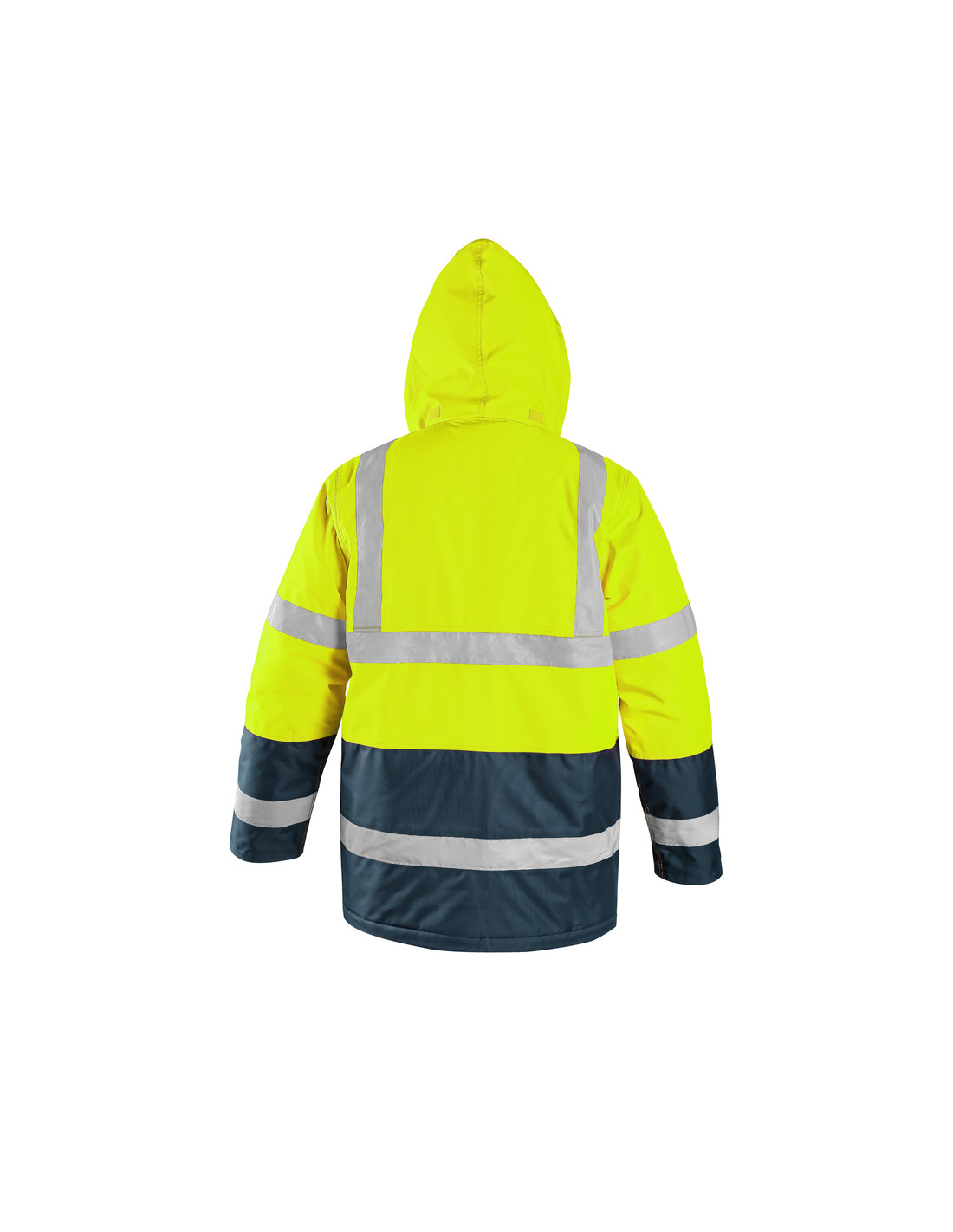
  • Jaune fluo
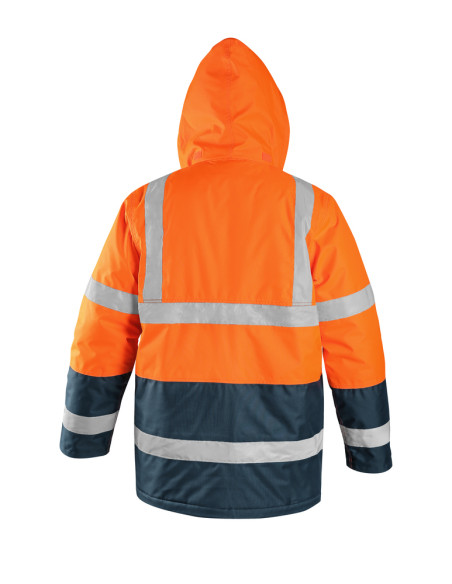
  • Orange Fluo
SELECT YOUR SIZE

Tarif dégressif dès 2 pièces 55,59 € · dès 10 48,56 €
 

Satisfied or refunded


Secure payment

SUMMARY

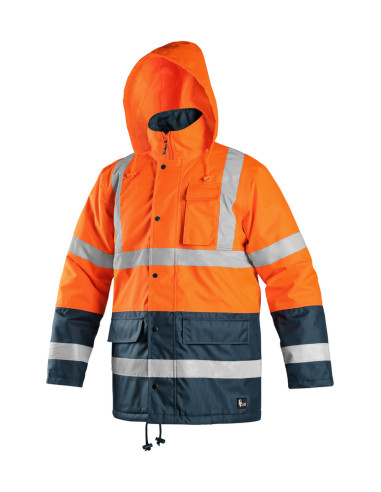
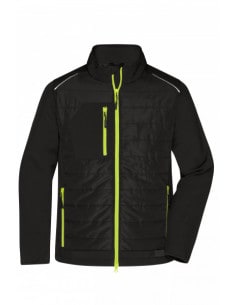
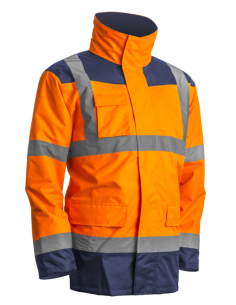
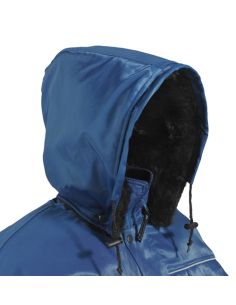
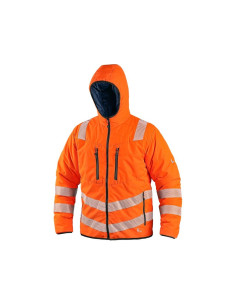
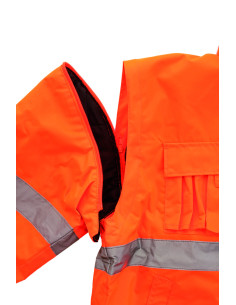
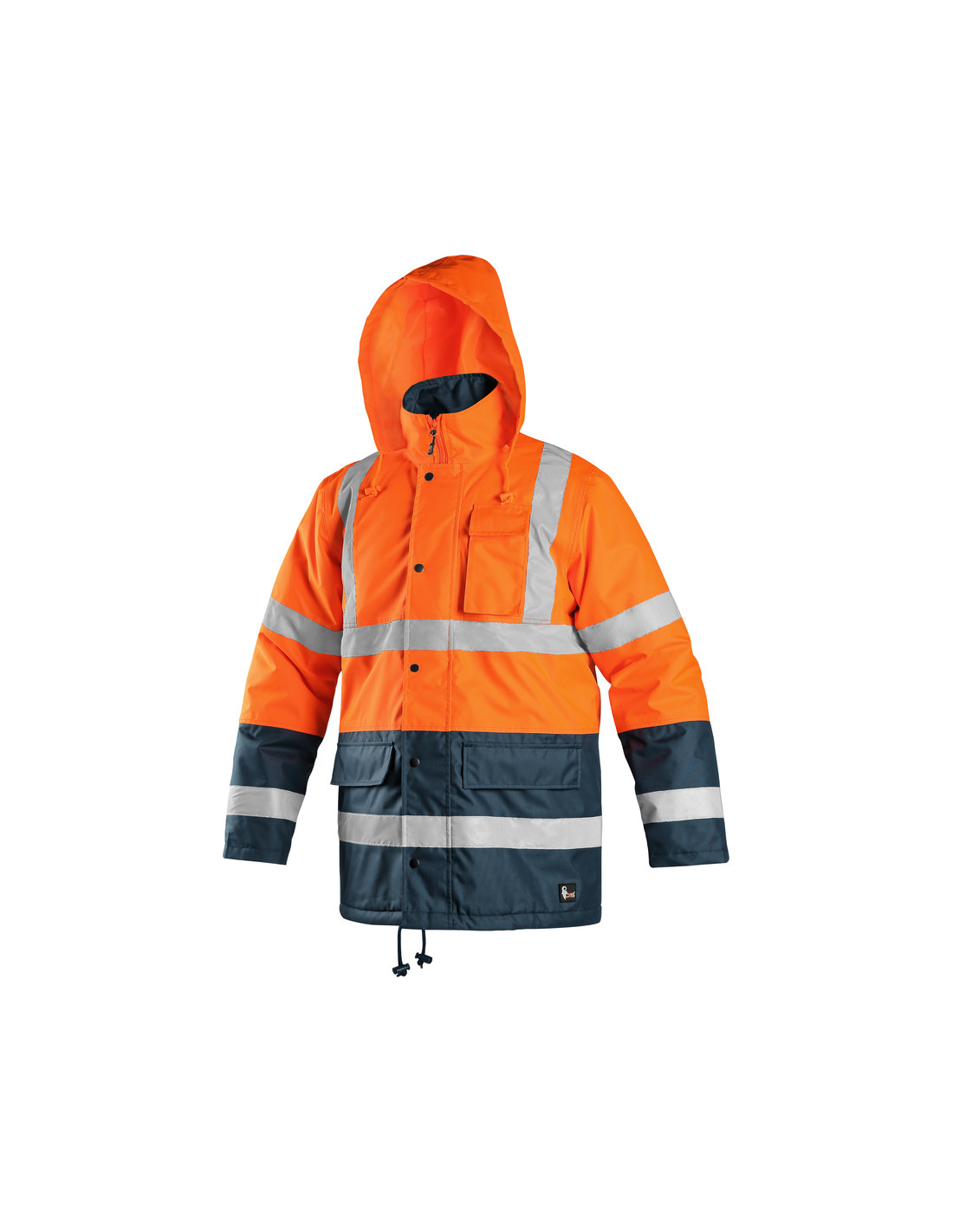
The Oxford parka closes off the openings cold air normally uses. Inner cuffs seal around the wrist beneath the sleeve, a drawcord pulls in the hem, and the hood stows in the collar once the rain stops.

  • 160 g/m² polyester padding, throughout the parka
  • 180 g/m² Oxford fabric, windproof, with taped seams
  • Reflective tape on fluorescent fabric
  • Centre-front zip protected by a press-stud storm flap
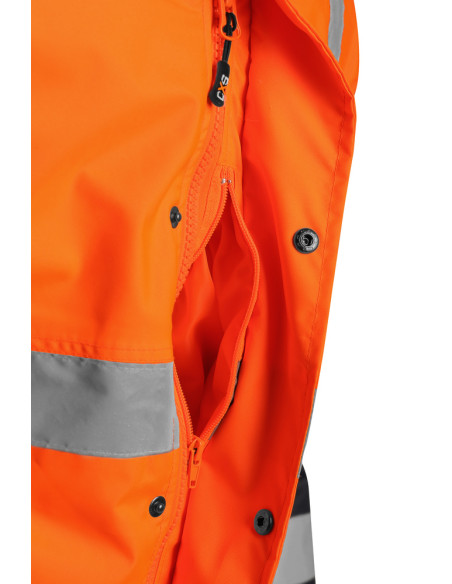
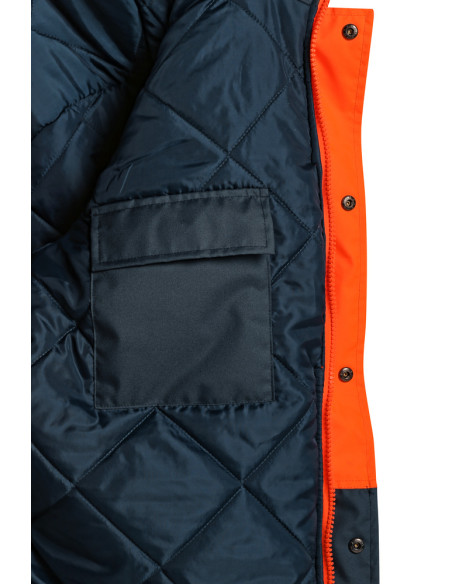
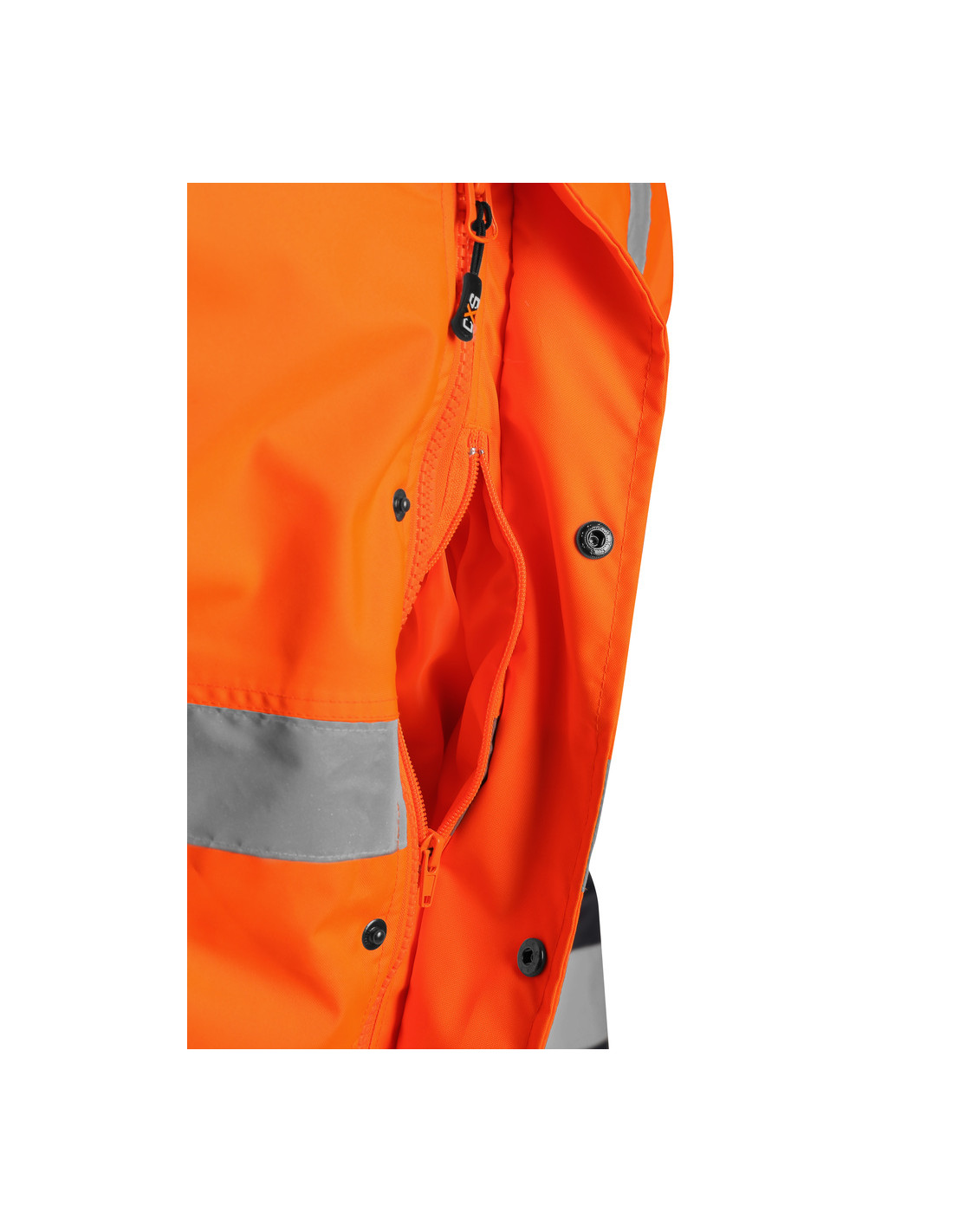
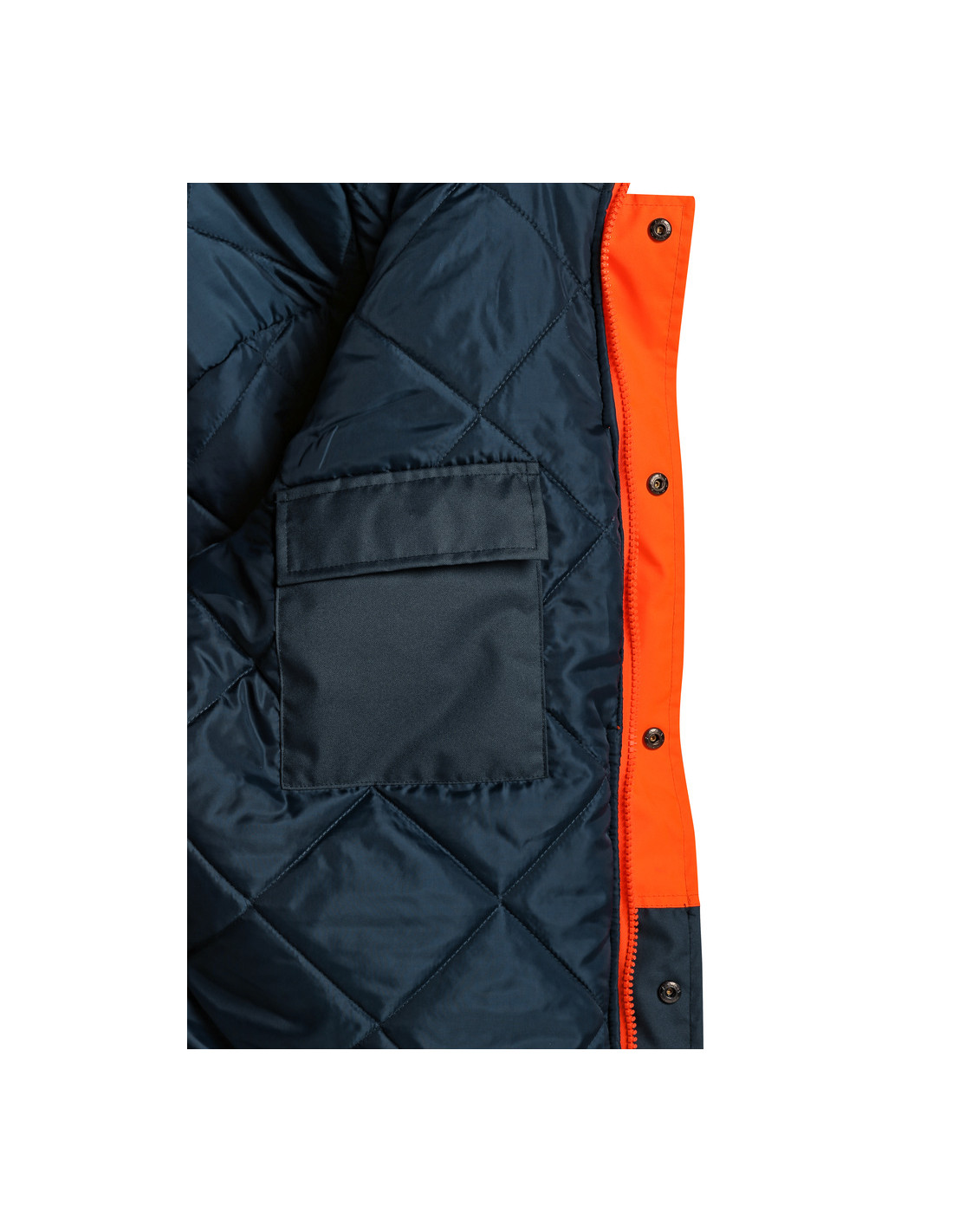
  • Five pockets: three outer, one hidden alongside the main zip, one inner chest pocket
  • Sizes S to 3XL depending on colourway

Cold protection, down to −15 °C*. Meets EN ISO 20471 class 3 and EN 343.

* Indicative temperature. Perceived warmth varies with activity, body type, humidity, wind and the layers worn underneath.

TECHNICAL DESCRIPTION

Men's Severe Cold Hi-Vis Parka Oxford — CXS

Protection Cold
Weatherproofing EN 343 class 3
Safety EN ISO 20471 class 3
Thermal protection −15 °C*
Inner cuffs Closed right to the wrists

Padded, windproof, and closed at the wrists by inner cuffs

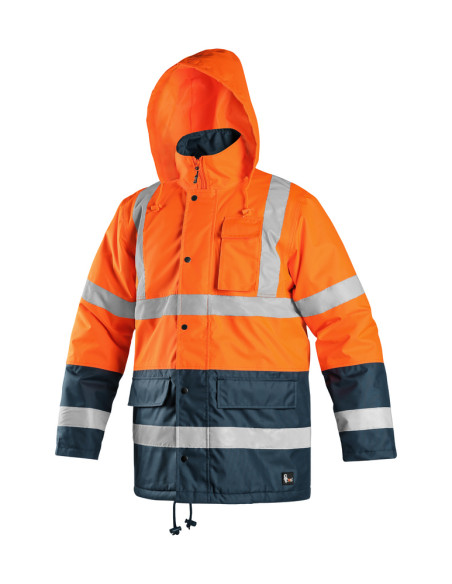
The Oxford parka combines 160 g/m² of polyester padding with a 180 g/m² Oxford outer fabric that blocks the wind, and taped seams. Above all it takes care of the openings: inner cuffs close around the wrist inside the sleeve, a drawcord pulls in the hem, and a press-stud storm flap covers the centre-front zip. The hood stows in the collar when it is not needed, and a hidden pocket runs alongside the main fastening, in addition to the three outer pockets and the inner chest pocket.

The Grand-Froid expert's view

The warmth of a parka rests as much on its openings as on its thickness. Three of them count: the hem, the collar and the wrists. The first two close on almost every model; the wrist, on the other hand, opens every time you raise an arm, and that is where warm air escapes when you work with your hands above your head. An inner cuff settles that point once and for all, and you notice it most by the third hour.

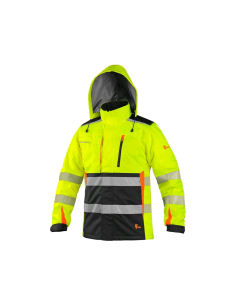
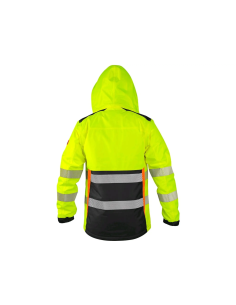
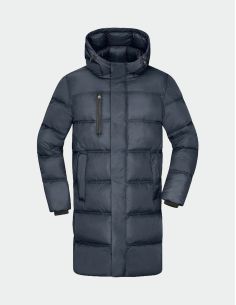
Men's hi-vis winter parka Oxford CXS with hood in the collar
What is it for?

This parka suits posts held outdoors in cold, wet weather, where high visibility is required throughout.

  • Site and road works: work close to live traffic, by day and after dark
  • Airside and port logistics: aprons, quays and open yards, where the wind sweeps through unobstructed
  • Driving and delivery: repeated exits from the cab, hood out of the collar as you climb down
  • Waste collection and network maintenance: work with the arms in constant motion, where the wrists open all day long
  • Security and surveillance: long outdoor posts, where rain protection and visibility are both required

Thermal protection and weatherproofing

Polyester padding insulates by holding still air between its fibres: it is that air, and not the material, that stands between you and the cold. The dense, tightly woven Oxford outer stops the wind replacing that air and carrying the heat away as fast as the body produces it. The taped seams close off the needle perforations, the only route left for water once the fabric is treated. That leaves the openings of the garment, which decide the rest: the inner cuffs close the wrist beneath the sleeve, the hem drawcord stops cold air travelling up the back, and the press-stud storm flap covers the zip line, the longest gap in the whole garment. Rain protection is rated class 3 for water penetration and class 1 for breathability under EN 343; the third test, which is optional, was not carried out, and that is what the X marking means. For visibility, the parka is rated class 3 under EN ISO 20471, the highest level of the standard.

Technical features
  • 160 g/m² polyester padding
  • 180 g/m² Oxford fabric, water-resistant and windproof, with taped seams
  • Reflective tape on fluorescent fabric
  • Centre-front zip protected by a press-stud storm flap
  • Hood stowed in the collar
  • Inner cuffs at the wrists
  • Drawcord at the hem
  • Pockets: three outer pockets, one hidden pocket alongside the main zip, one inner chest pocket
  • Meets EN ISO 20471, class 3
  • Meets EN 343 — water penetration class 3, breathability class 1, third test not carried out (X)
  • Meets EN ISO 13688 — category II personal protective equipment
Composition
  • Outer fabric 100% polyester Oxford, 180 g/m²
  • Lining 100% polyester
  • Padding 100% polyester, 160 g/m²
How to wear it

Three adjustments to make as you put it on, and they change the comfort of a whole day.

  • Position the inner cuffs around the wrist, over the glove rather than under it: that is how the sleeve and the glove form one continuous seal.
  • Pull in the hem drawcord in strong wind. Cold air enters at the bottom of the garment and travels up the back, where it is hardest to feel coming.
  • Take the hood out of the collar before the rain, not during it. Once the collar is wet, water follows the neck whatever the hood does.
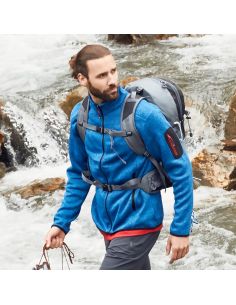
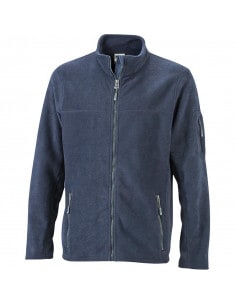
  • Underneath, a thin layer and a fleece: the parka provides the insulation and blocks the wind, the layers below handle warmth and moisture.
Size guide

Take your usual size: the parka is already cut to take a fleece underneath. The measurements below are those of the parka laid flat, not body measurements.

Size (cm) S M L XL 2XL 3XL
GARMENT LENGTH 86 87 88 89 90 91
GARMENT WIDTH 58 62 66 70 74 78
SLEEVE LENGTH 84 85 86 87 88 89

Measurements in cm, taken flat. Manufacturing tolerance ± 5%.

The length moves by only 5 cm across the whole range, from 86 to 91 cm: it is the width that grows, from 58 to 78. That is the row to look at if you plan to wear a fleece or a thick jumper underneath.

Care & Durability
  • Close the zips and press studs before washing: left open, they catch the fabric and strain the seams
  • Wash inside out, at low temperature, on a delicate programme
  • Use no fabric softener and no bleach: both attack the reflective surface and the fluorescent colour
  • Do not iron the reflective tape — the heat of the iron lifts it off its backing
  • Air dry, the parka open on a wide hanger, so the padding recovers its loft
  • Hang rather than fold: polyester padding flattens wherever it stays compressed, and loses part of its insulating power in those areas
  • Check the taped seams and the reflective tape regularly: on a safety garment, these are what signal replacement, ahead of any wear to the fabric
Returns or exchange — 30 days
You have 30 days from delivery to request a return or an exchange on this item.

Why choose the Oxford hi-vis parka?

Because it deals with the openings as much as with the thickness. Cuffs at the wrists, a drawcord at the hem, a flap over the zip, a hood in the collar: these four points are what separate a parka that feels warm in the fitting room from one that is still warm at the end of the day. And class 3 for visibility is the highest level of the standard.

The three-layer system:

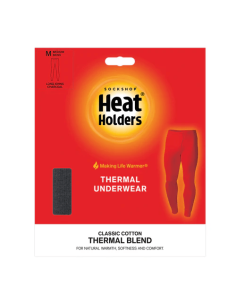
  • 1st layer — base: next to the skin. Captures body heat and moves sweat outwards.
  • 2nd layer — mid: fleece or thermal sweatshirt. Insulates and holds warm air around the body.
  • 3rd layer — outer (this product's role): blocks the wind, stops the rain and keeps the heat produced by the first two.

* Indicative temperature. Perceived warmth varies with activity, body type, humidity, wind and the layers worn underneath.

You might also like

Satisfied or
refunded
Delivery charge free
from 1000 € *CEE Only
Secure payment
Our customer service
at your service