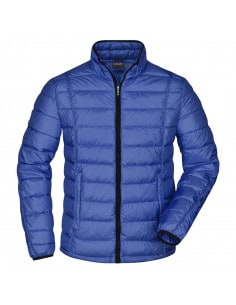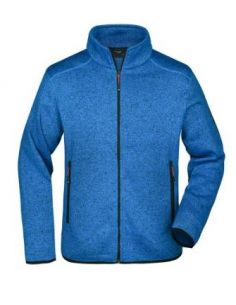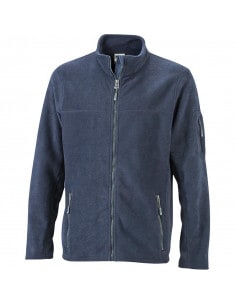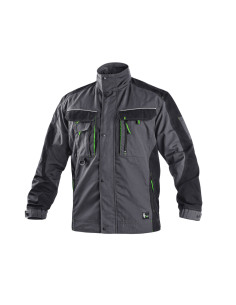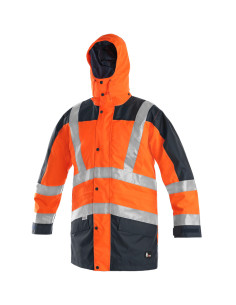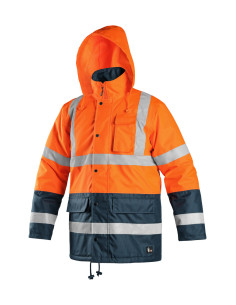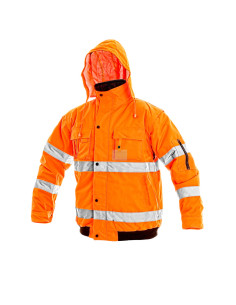
- -10° C
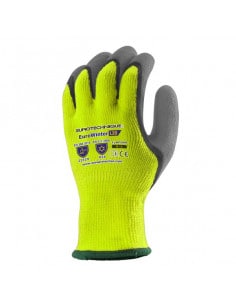
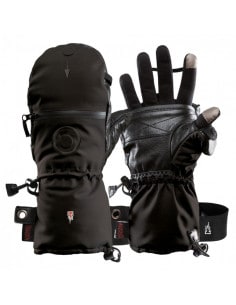
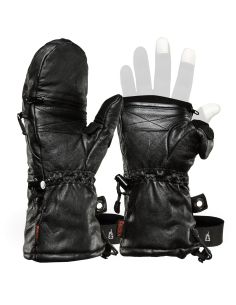
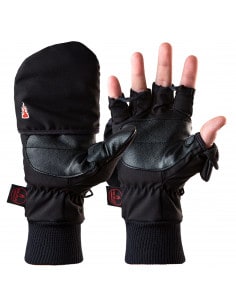
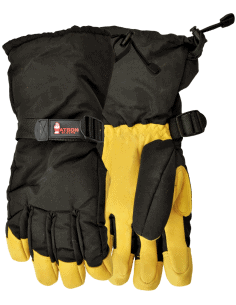
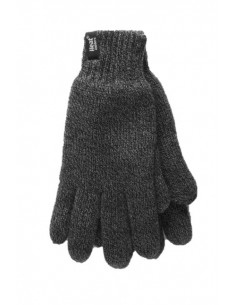
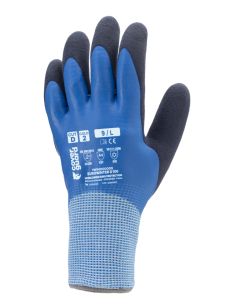
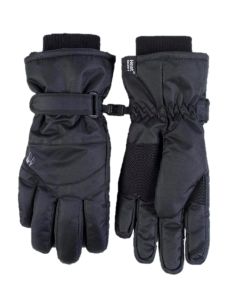
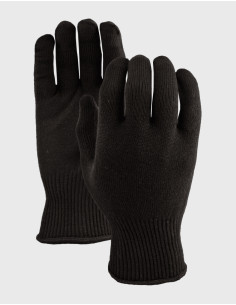
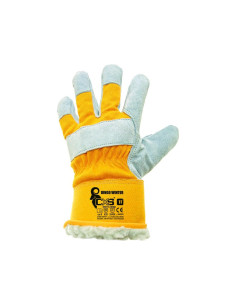
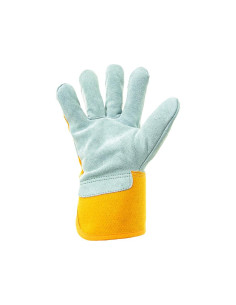
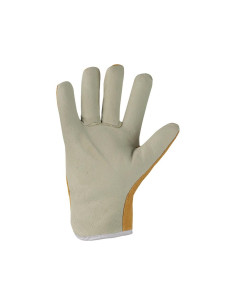
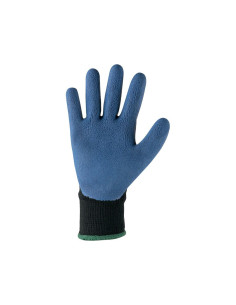
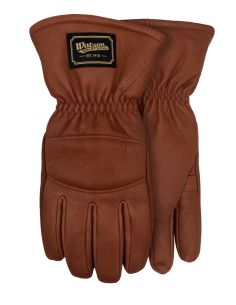
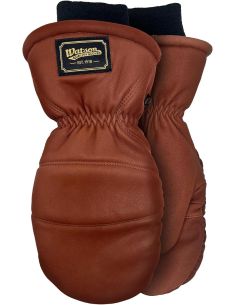
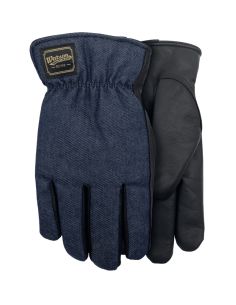
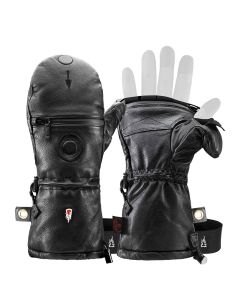
- The ideal glove for handling medium to heavy loads.
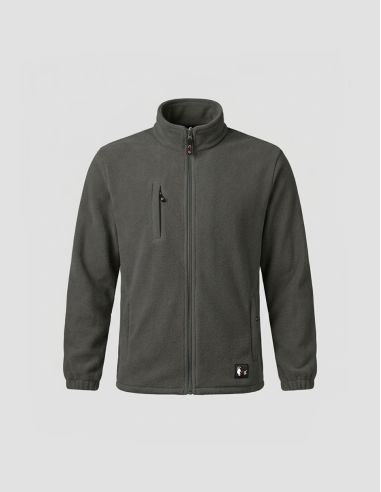
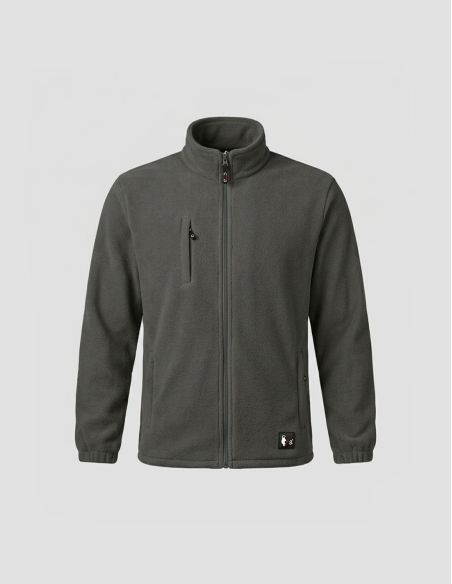
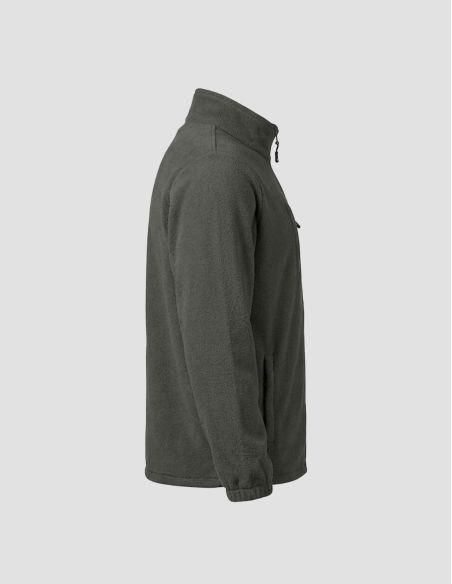
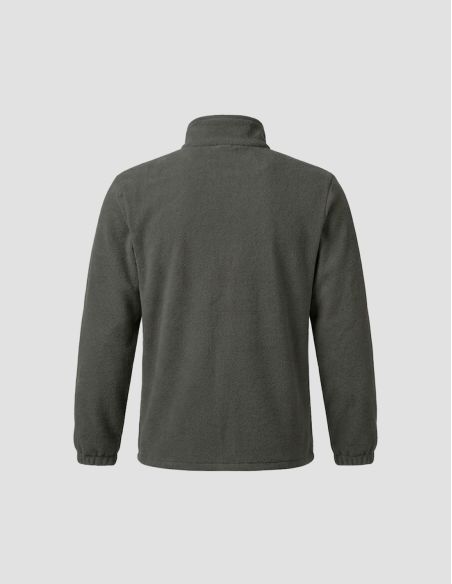
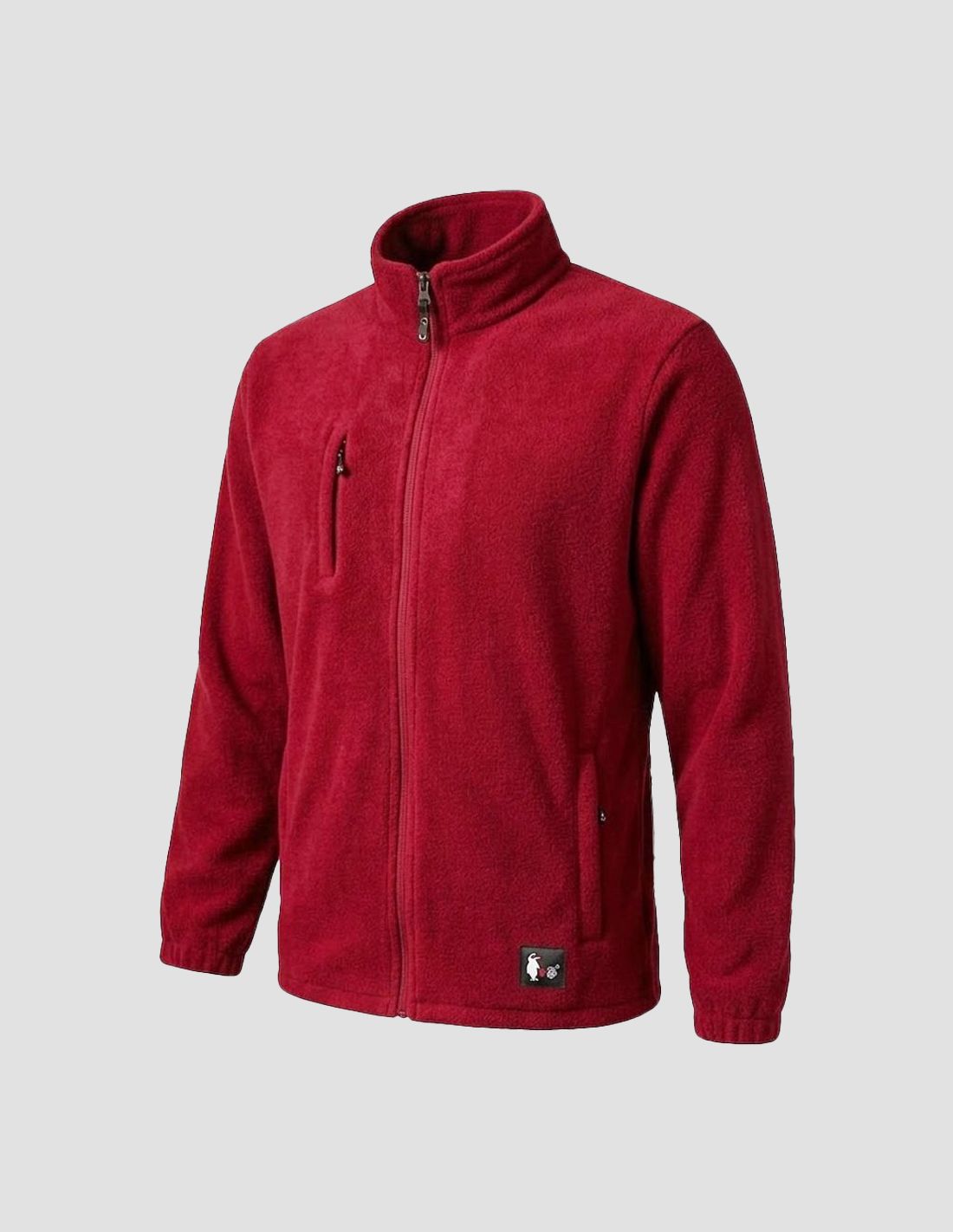
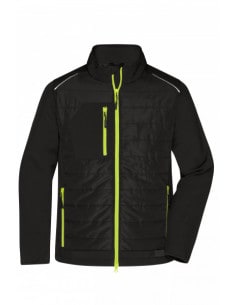
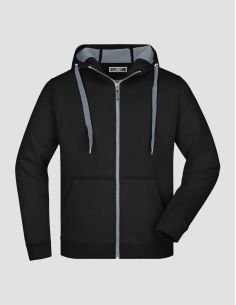
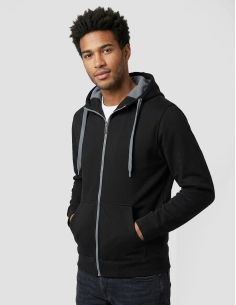
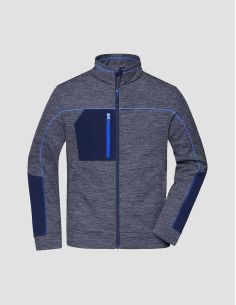
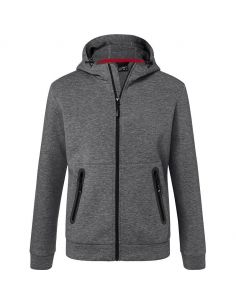
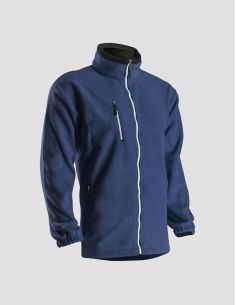
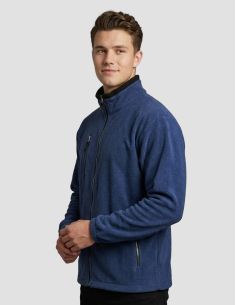
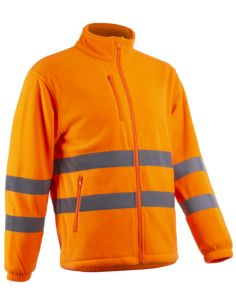
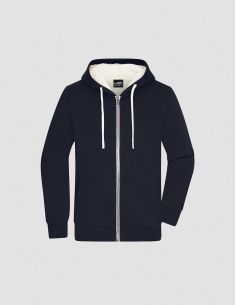
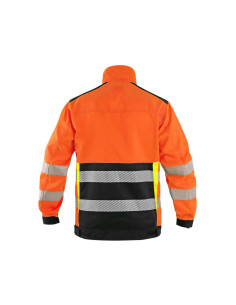
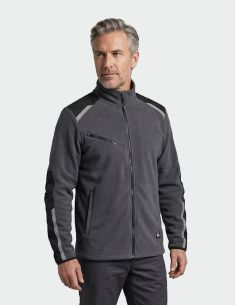
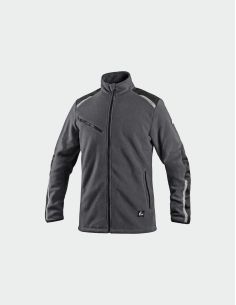
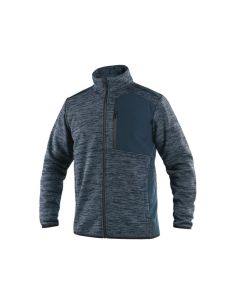
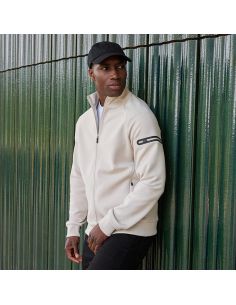
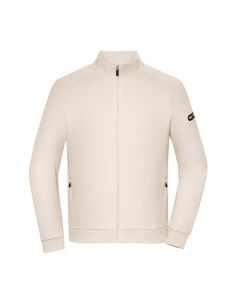
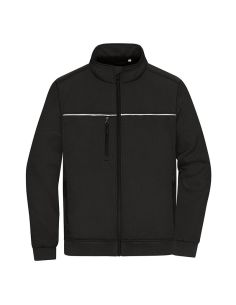
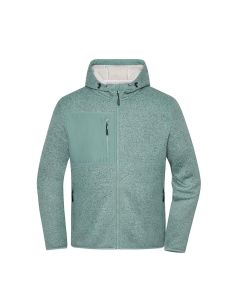
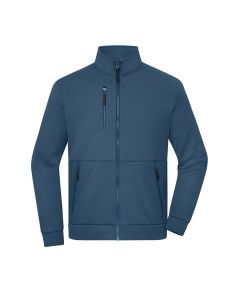
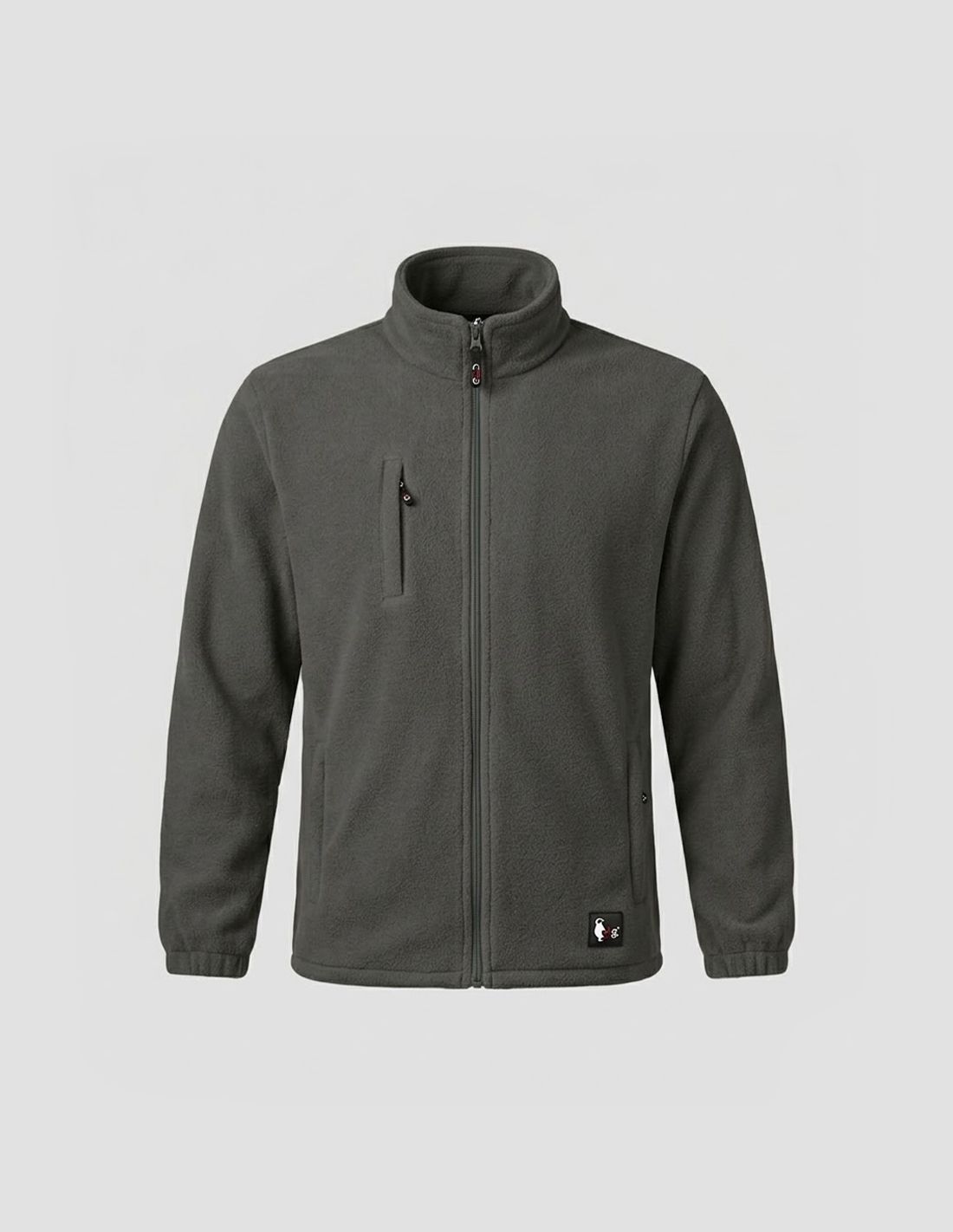
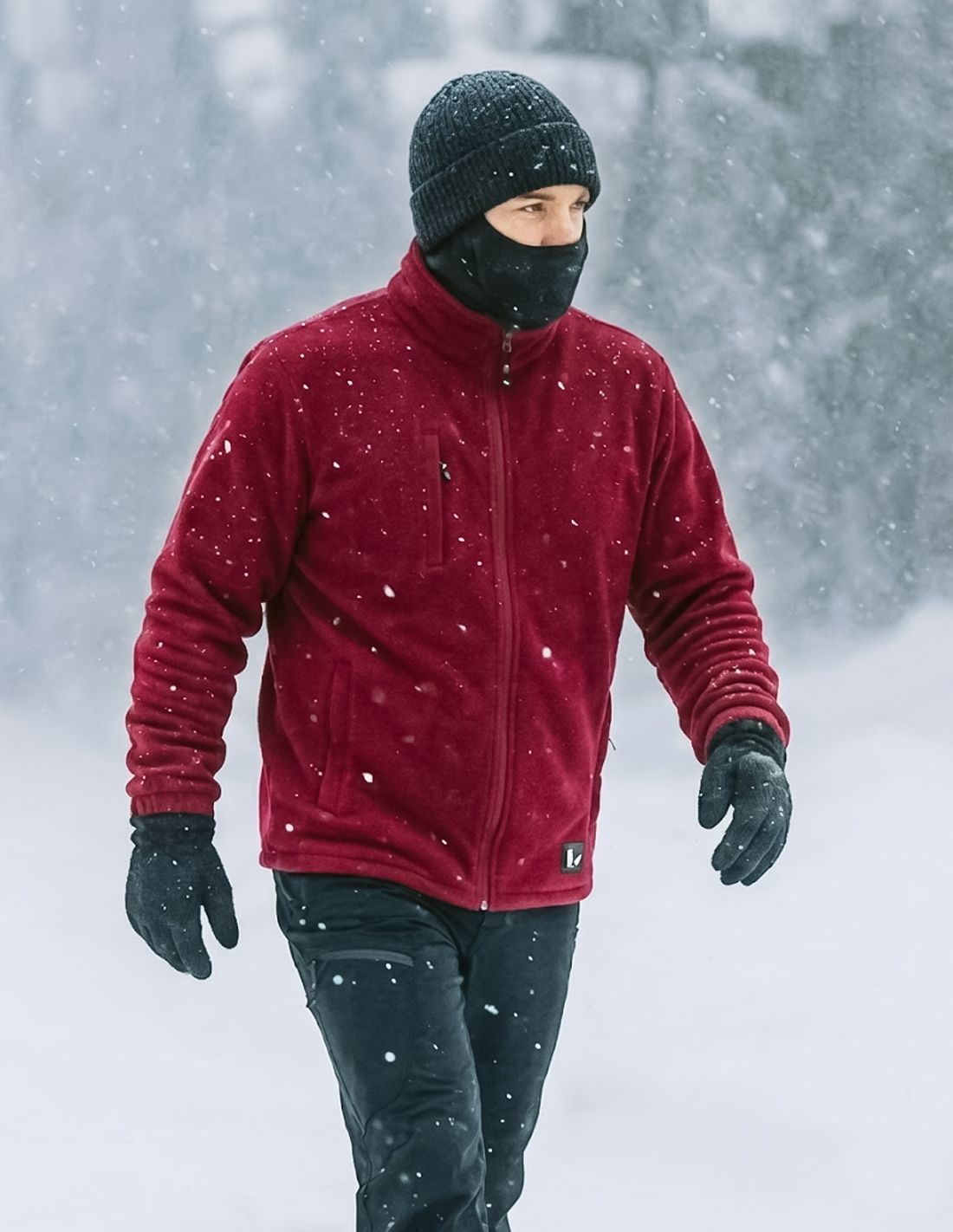
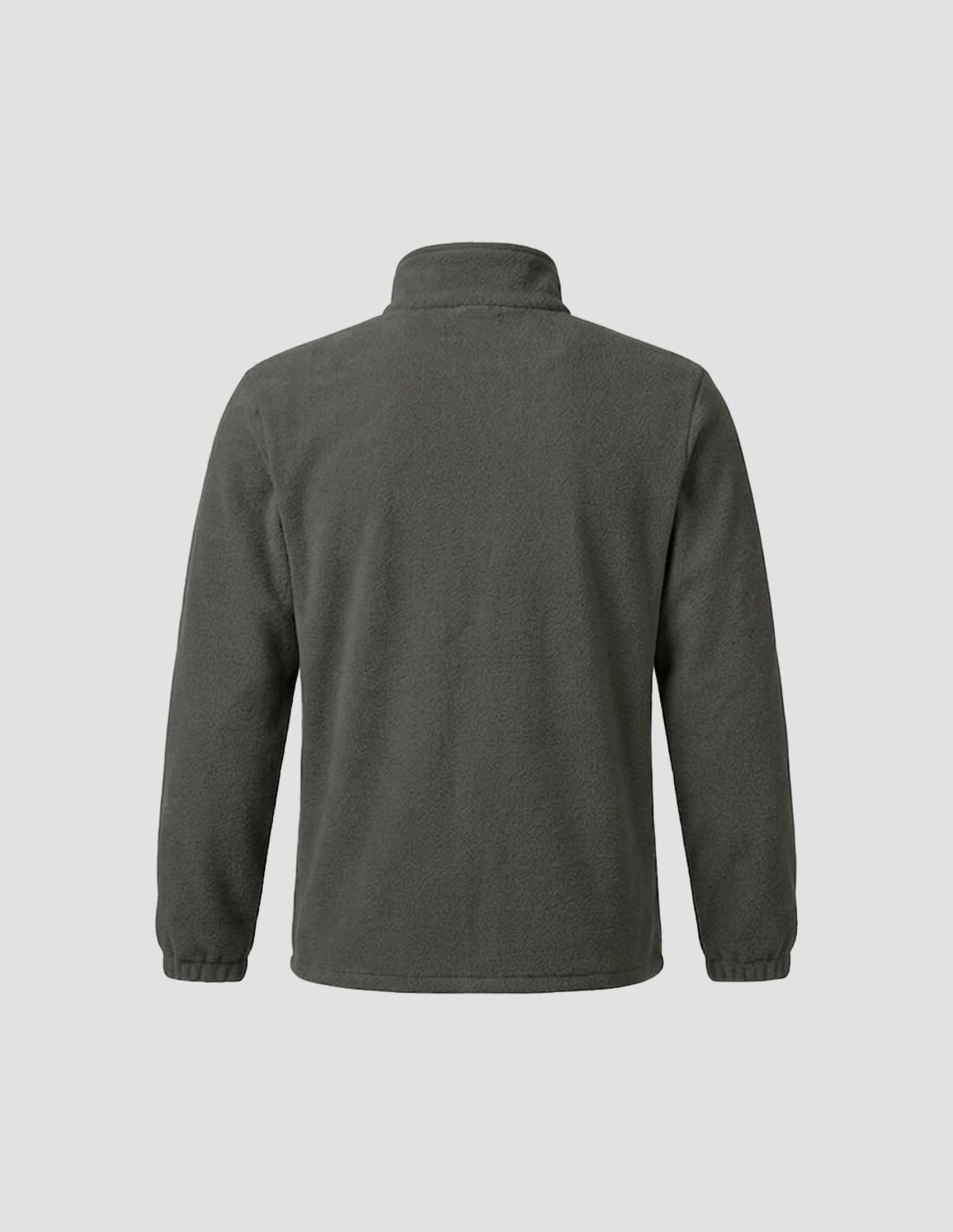
The Otawa jacket is a 450 g/m² fleece, a density that sets it apart: thick enough to wear on its own in dry weather, soft enough to stay as a mid layer under a windproof jacket. Its anti-pilling treatment keeps the surface smooth despite rubbing under another garment.
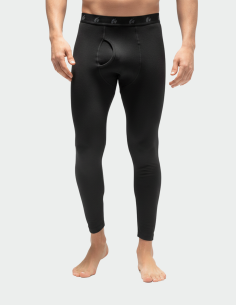
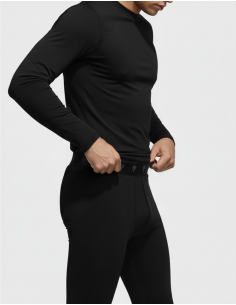
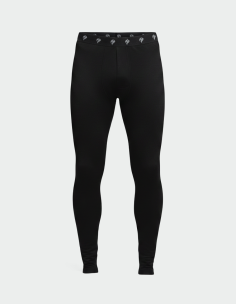
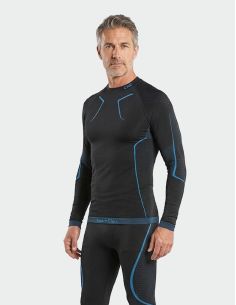
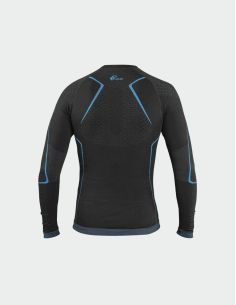
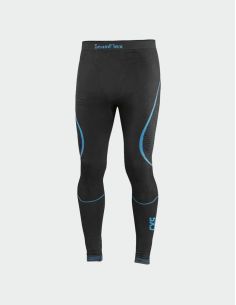
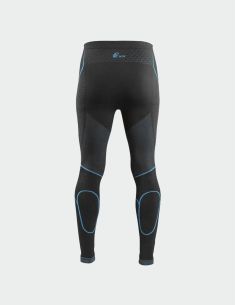
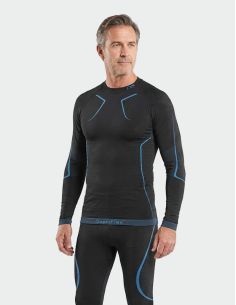
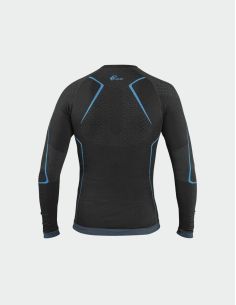
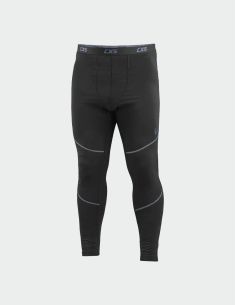
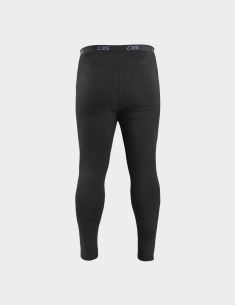
Severe Cold protection, down to −25 °C* when combined with a base layer and an outer jacket.
* Indicative temperature. Perceived warmth varies with activity, body type, humidity, wind and the layers worn underneath.
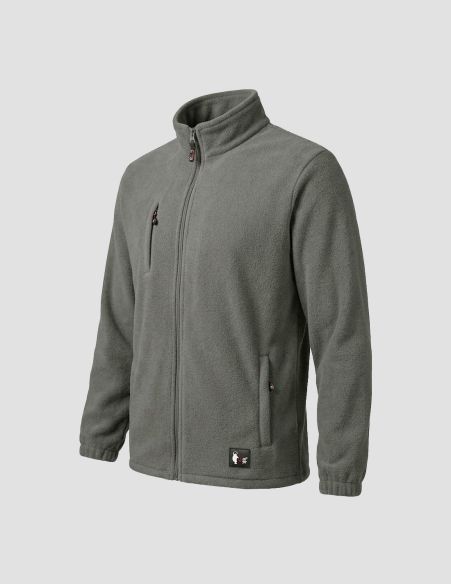
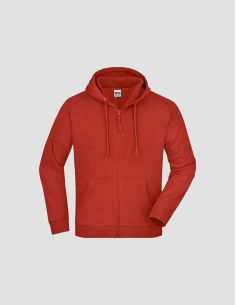
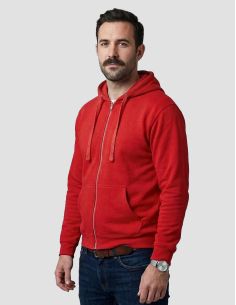
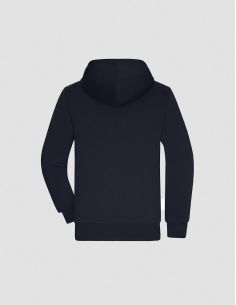
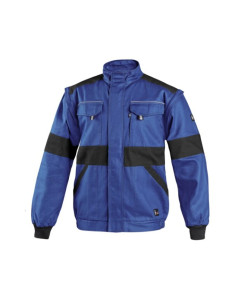
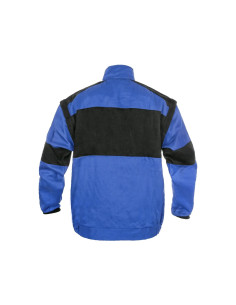
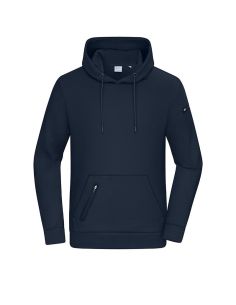
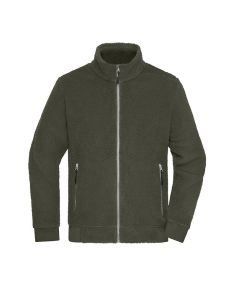
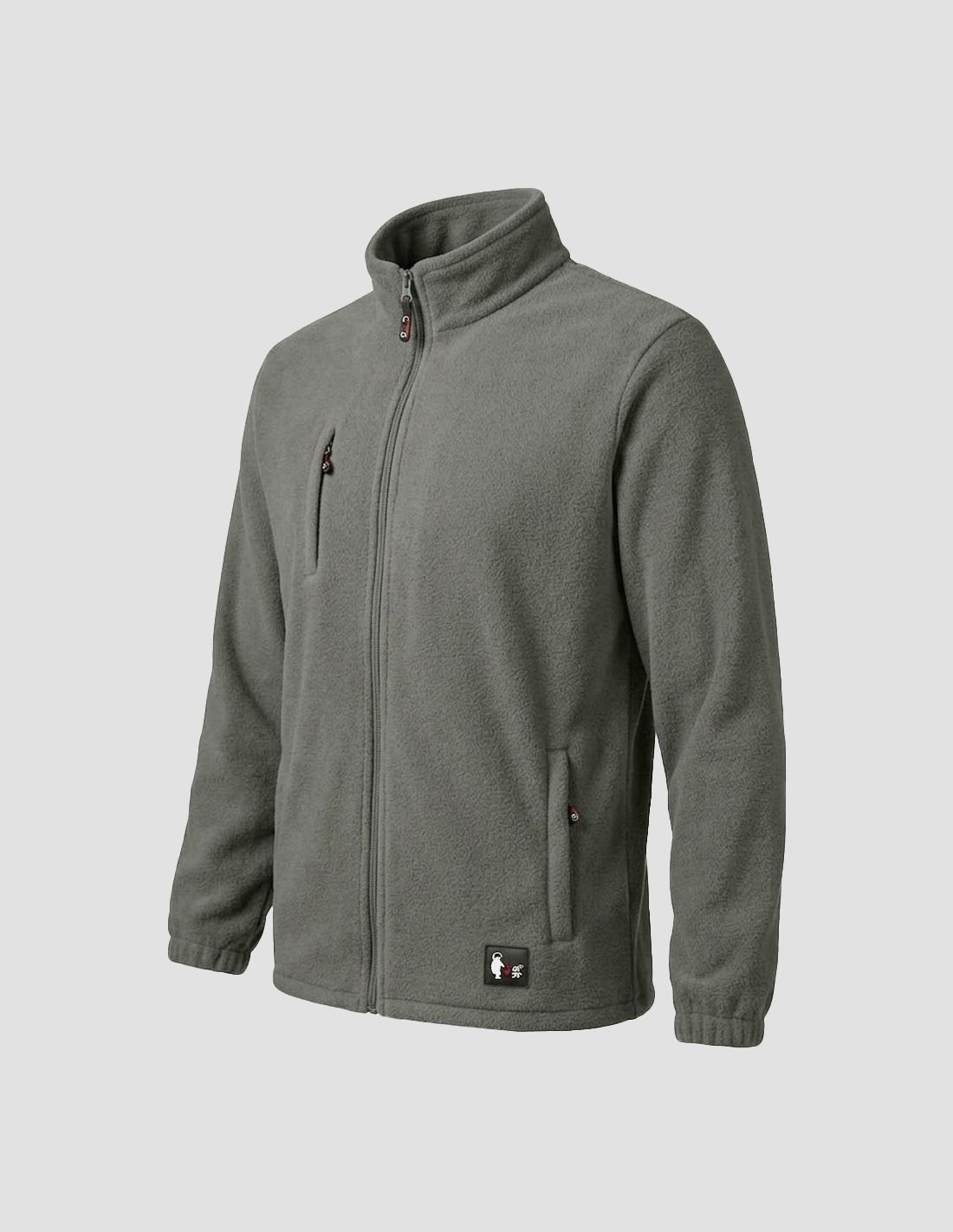
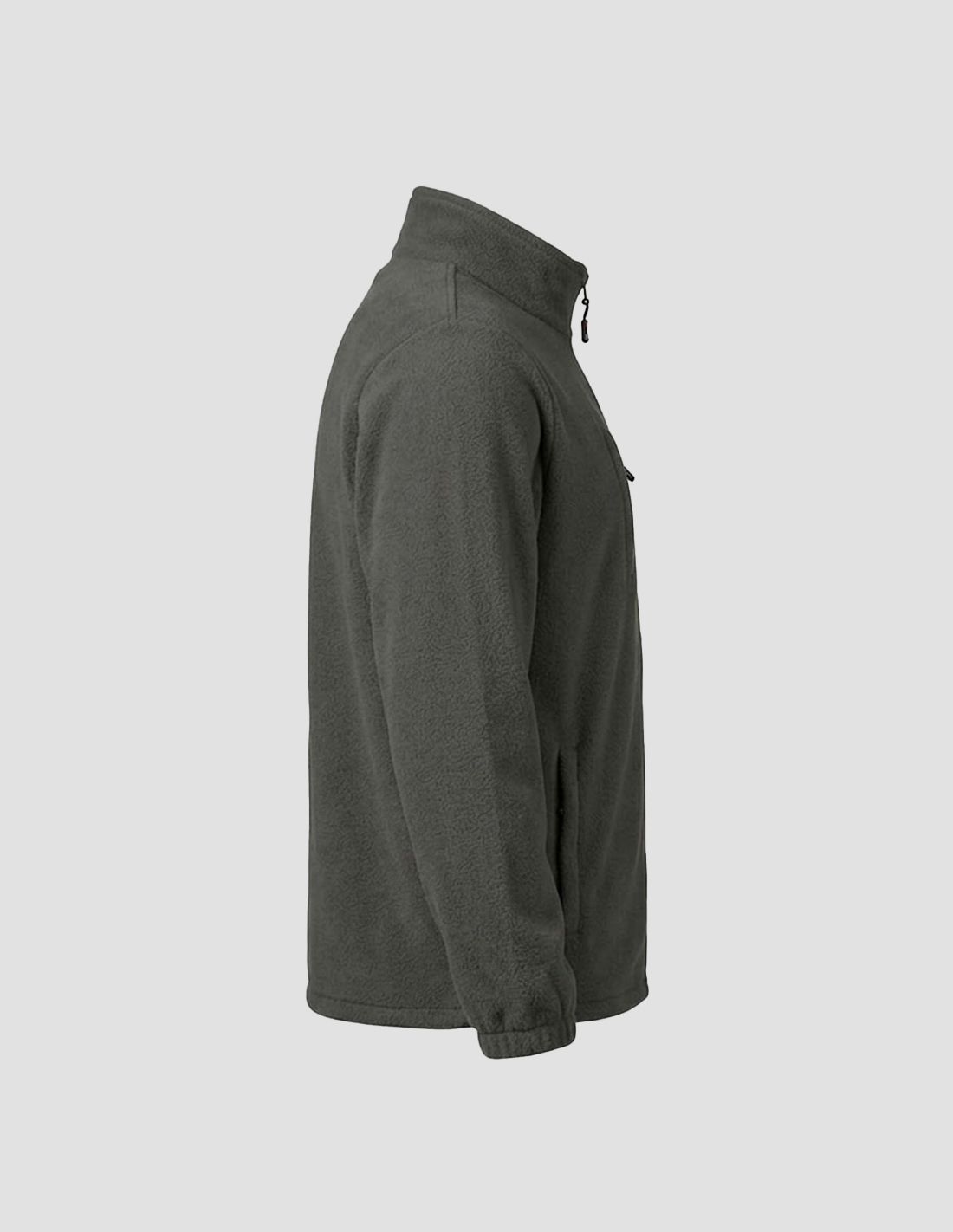
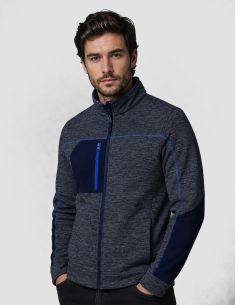
The Otawa is a 450 gsm fleece jacket. That weight changes how it is used: thick enough to stand in for a jacket in dry weather, supple enough to stay a mid layer under a windproof shell. Its anti-pilling finish keeps the surface smooth despite the repeated rubbing that comes with wearing it under another jacket. The stand-up collar closes off the neck, the elasticated cuffs close the sleeve at the wrist, the drawcord pulls in the hem, and the three zipped pockets — two side, one chest — keep their contents when you bend over. A zip puller is fitted to every zip, so it can be opened without removing your gloves. Reflective details complete the jacket.
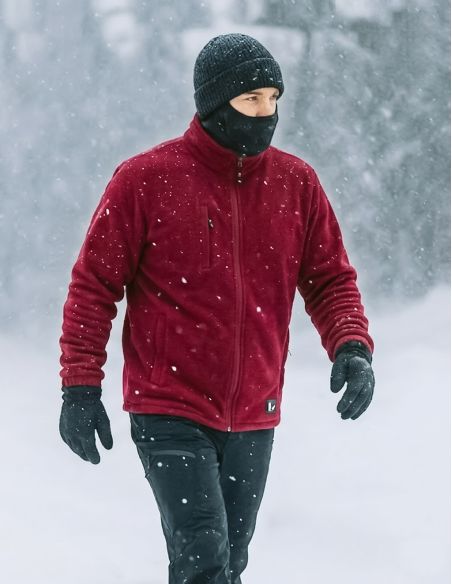
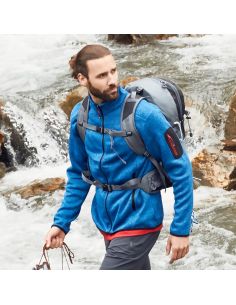
A fleece this thick is worn two ways. Under a windproof shell it is the second layer: it holds the warmth, and the shell deals with wind and rain. In dry, still weather it becomes the outer layer and is worn on its own. The knit does let air through — that is what makes it breathable, and why it needs a shell over it as soon as the wind picks up.
A fleece insulates through the volume of air it traps between its brushed fibres: at 450 gsm the knit is dense and deep, and that is what lets it stand in for a jacket in dry weather. The anti-pilling finish preserves that pile, and so that warmth, season after season. A fleece does not, however, stop wind: the knit lets air move through it, which is what makes it breathable under exertion and what makes a shell necessary as soon as the wind picks up.
Because at 450 gsm it fills two roles instead of one. A mid layer under a shell when it is windy or wet, an outer layer when the weather is dry. The anti-pilling finish keeps its pile, and so its warmth, season after season.
The three-layer system:
At 450 gsm, the question is no longer whether the fleece is warm, but whether the wind can reach it.
* Indicative temperature. Perceived warmth varies with activity, build, humidity, wind and the layers worn underneath.
You might also like