- All season
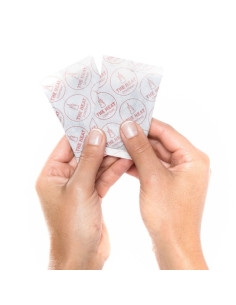
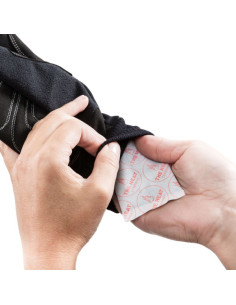
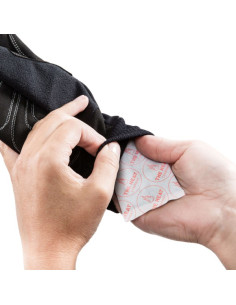
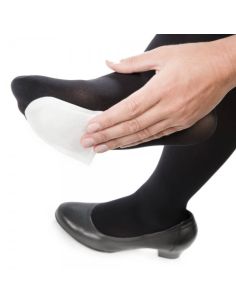
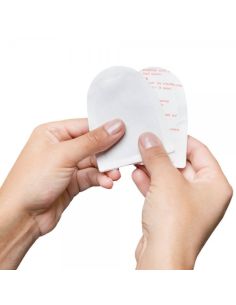
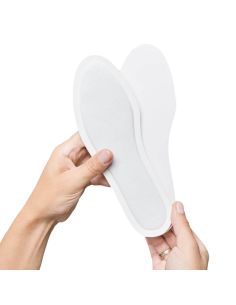
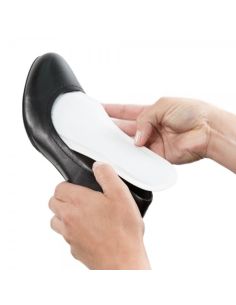
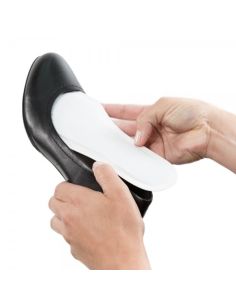
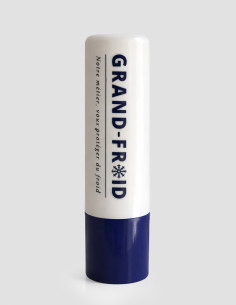
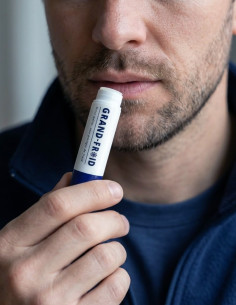
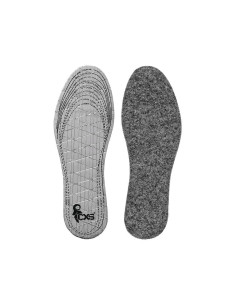
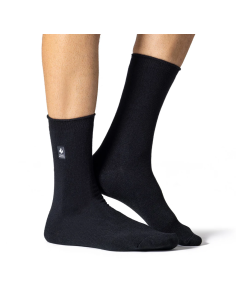
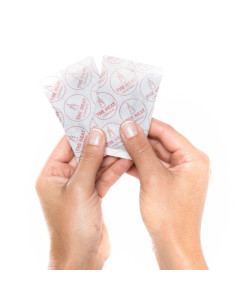
- 100% natural product, automatic activation, odorless.
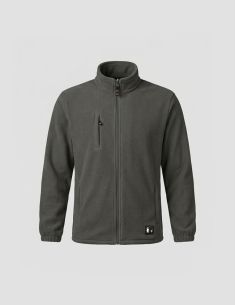
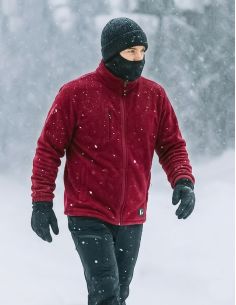
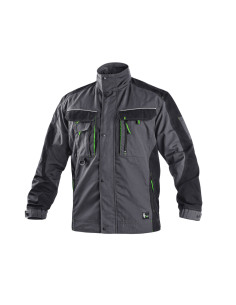
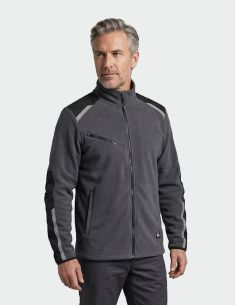
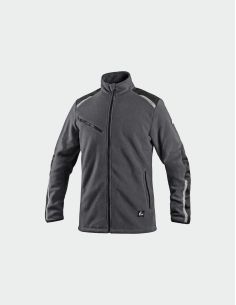
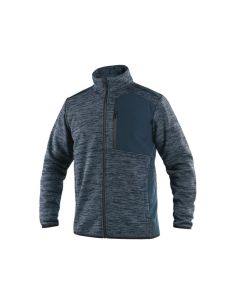
The Otawa winter fleece jacket CXS is a formidable thermal barrier designed for professionals exposed to extreme cold.
Its strength lies in its exceptional density of 450 g/m², offering body heat retention far superior to standard fleeces. Equipped with an anti-pilling treatment for longevity, it features elasticated cuffs and a drawstring hem to seal out draughts. Its three zipped pockets and reflective inserts make it as practical as it is safe.
The ultimate mid-layer to slip under a parka, or to wear on its own in cold, dry weather.
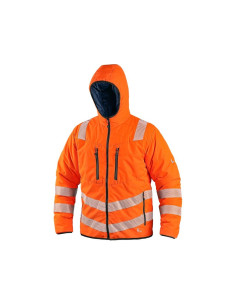
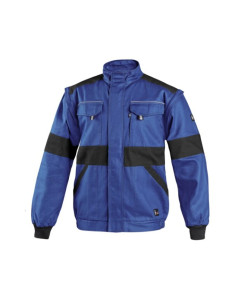
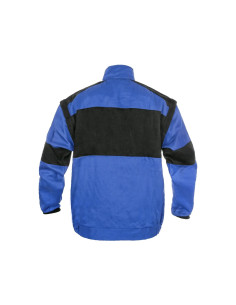
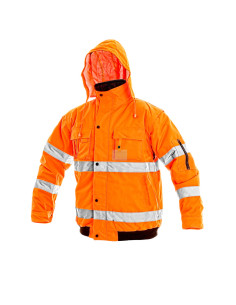
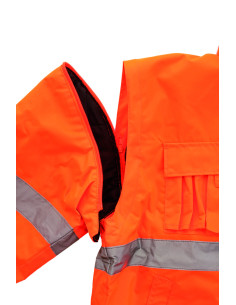
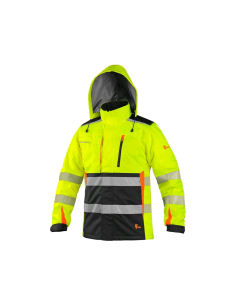
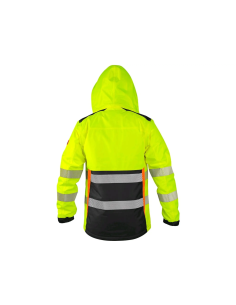
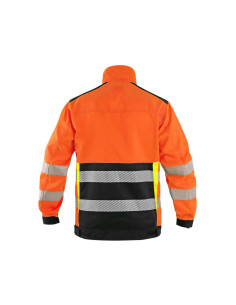
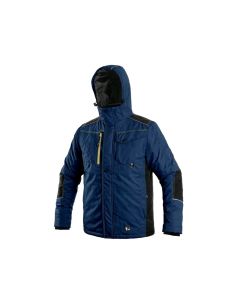
The Bedford jacket is built in softshell: a supple material backed with a TPU membrane that resists water up to 8,000 mm and lets through 5,000 g/m²/24h of vapour. Its 100 g/m² polyester padding provides the warmth, its underarm vents let that warmth back out as soon as the work gets physical. Around it, everything adjusts: a detachable hood, a fleece-lined collar, inner cuffs at the wrists backed by an outer adjustment, and a drawcord at the hem. The segmented reflective tape bends with the fabric, and a detachable ID card holder sits in the right chest pocket.
Softshell means soft shell. It is a fabric made of three layers bonded together: a hard-wearing outer face, a membrane in the middle that stops water and wind, and a soft lining against the body. The whole thing stays supple in cold weather, where a coated canvas stiffens, and it stretches enough to follow the arm. That is what you come to a softshell for: a jacket you forget you are wearing.
The membrane works in both directions: it stops water up to 8,000 mm and lets 5,000 g/m²/24h of vapour escape. It is the second figure that counts most on an active post, because wet insulation loses heat far faster than dry insulation — and the underarm vents take over when the membrane alone is not enough. Worth knowing: the 8,000 mm applies to the fabric, the seams not being sealed; in heavy, prolonged rain, water can come through along the seam lines. The jacket meets EN 14058, the standard for cold environments, with a measured insulation of 0.195 m²·K/W on the finished garment, and EN ISO 20471 at class 2 in size S, class 3 from size M upwards.
Because it is built to move. The softshell follows the gesture, the segmented tape bends with it, and the underarm vents release heat without your having to open the jacket into the wind. The TPU membrane keeps water and wind outside, the fleece collar and the inner cuffs close off the rest.
The three-layer system:
* Indicative temperature. Perceived warmth varies with activity, body type, humidity, wind and the layers worn underneath.
You might also like