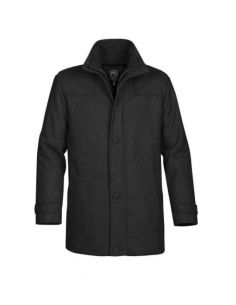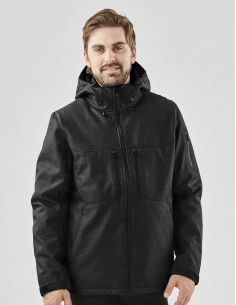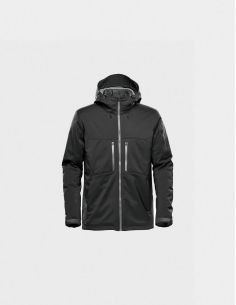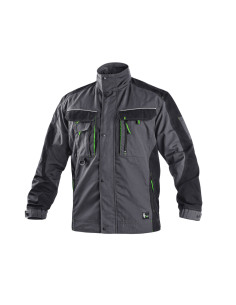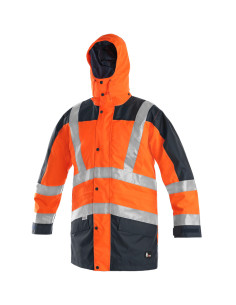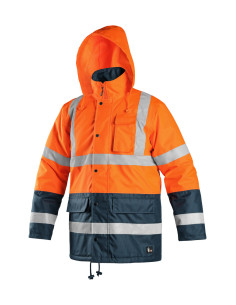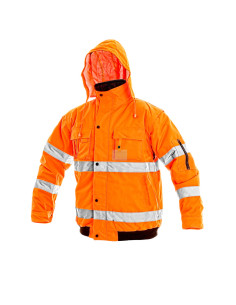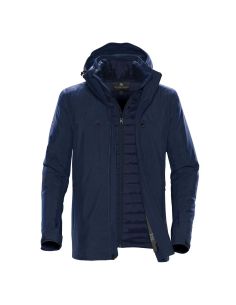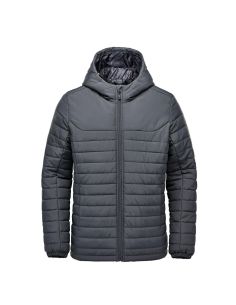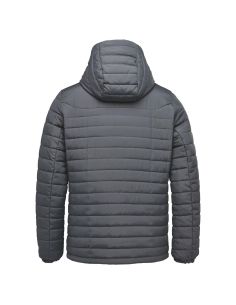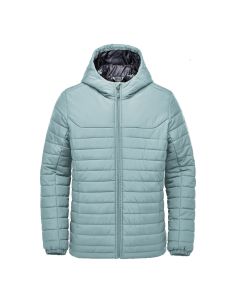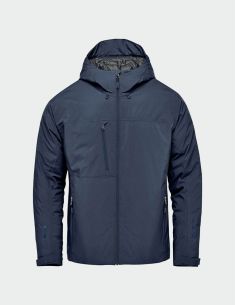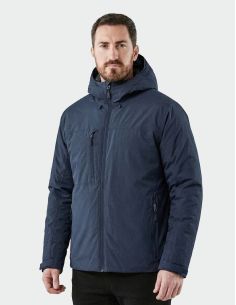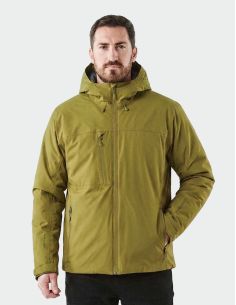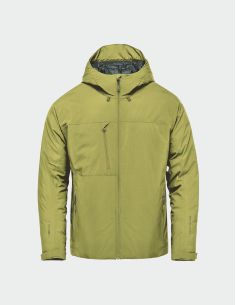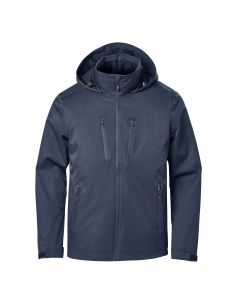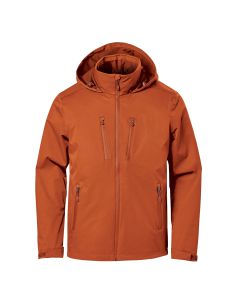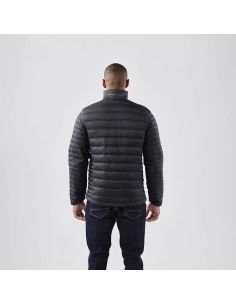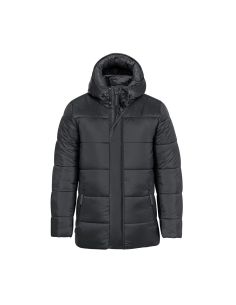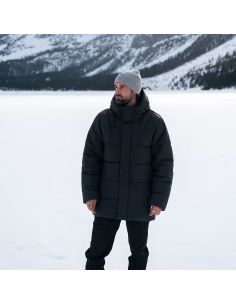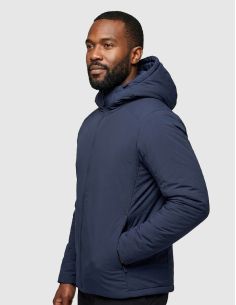
- All season
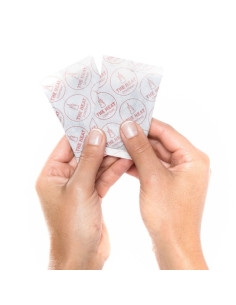
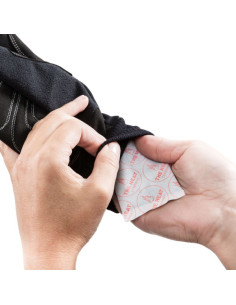
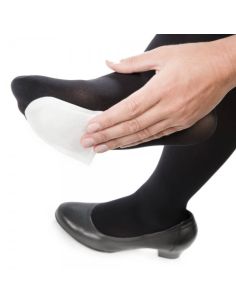
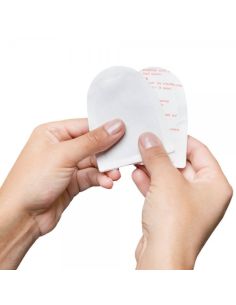
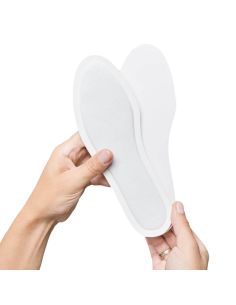
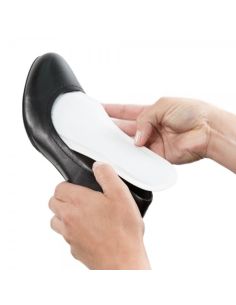
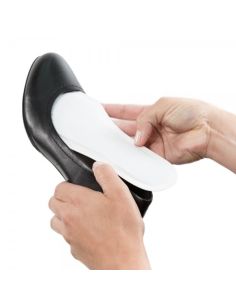
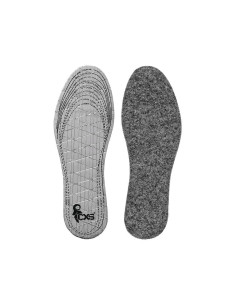
- 100% natural product, automatic activation, odorless.
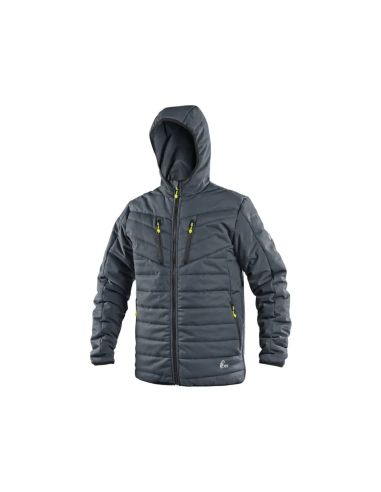
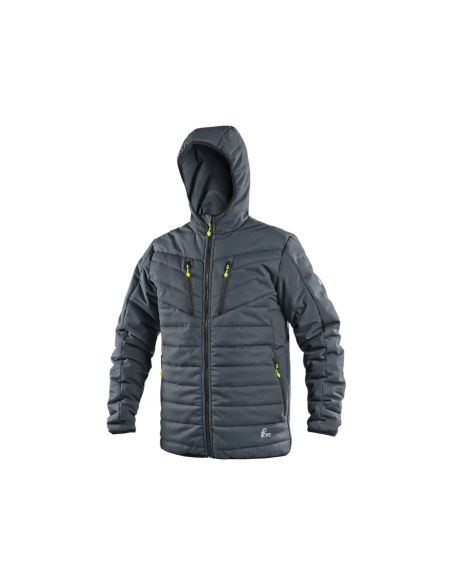
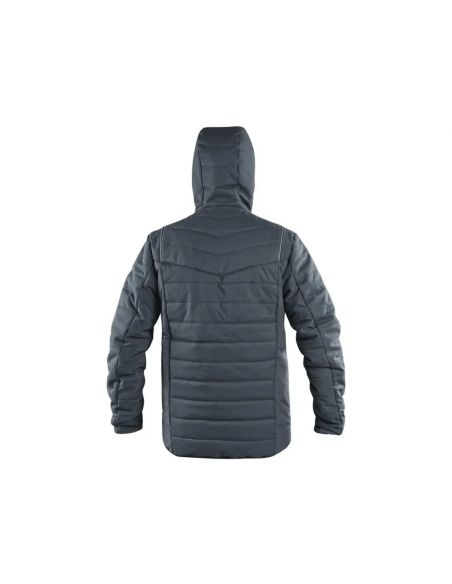
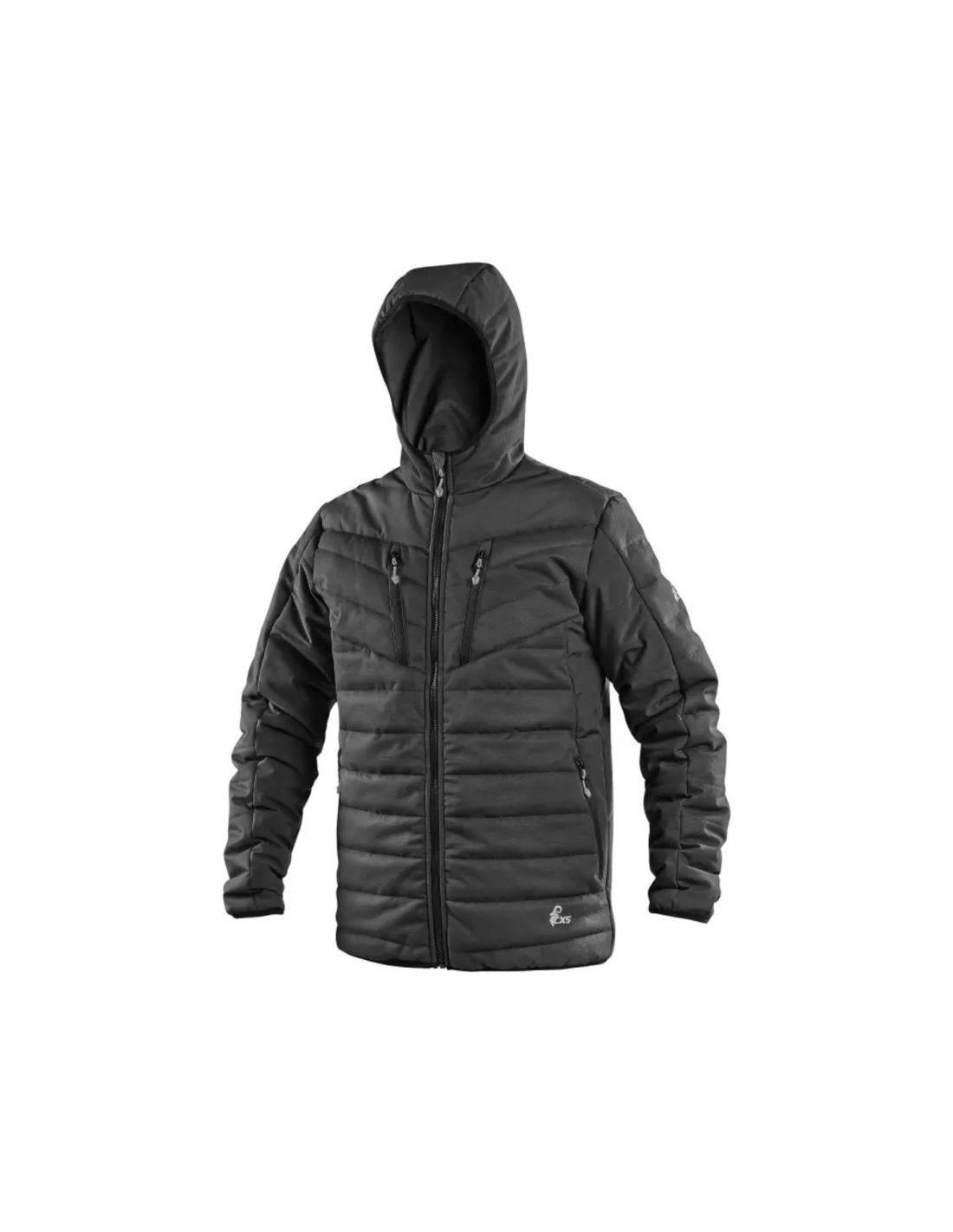
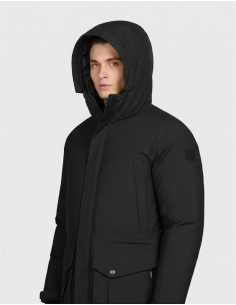
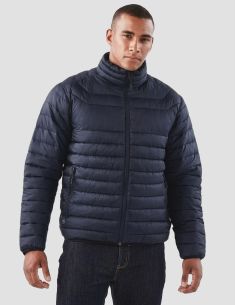
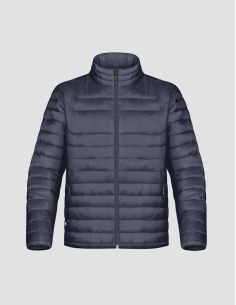
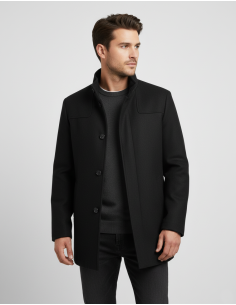
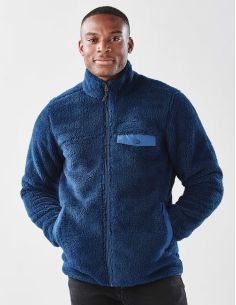
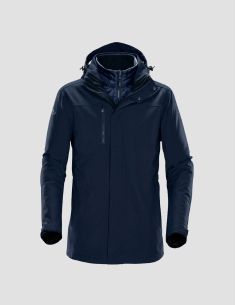
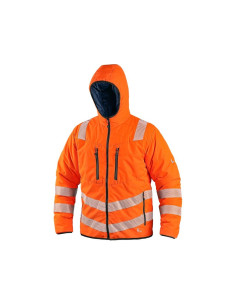
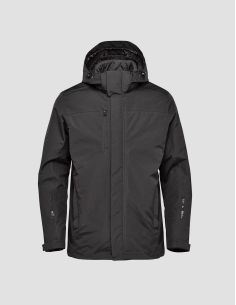
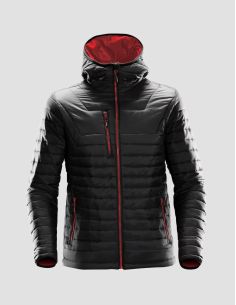
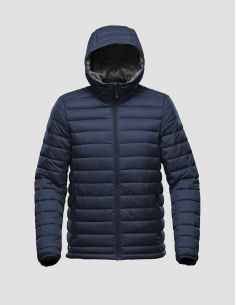
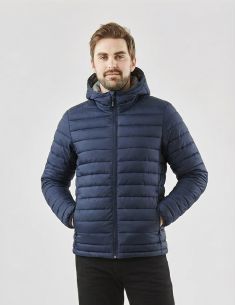
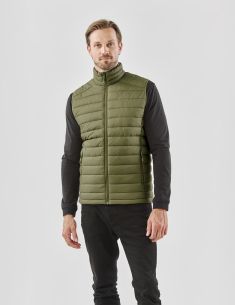
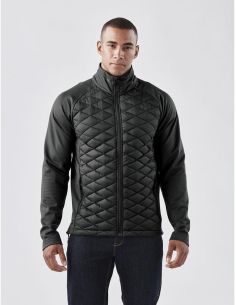
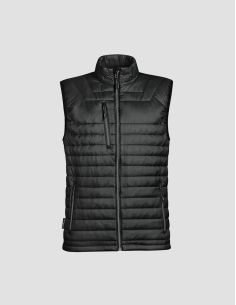
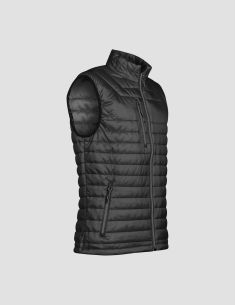
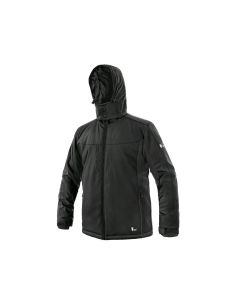
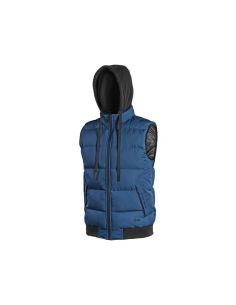
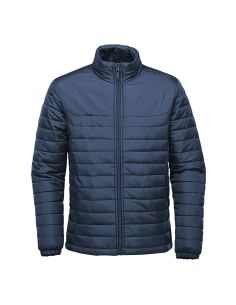
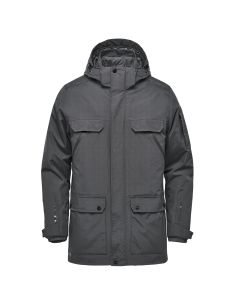
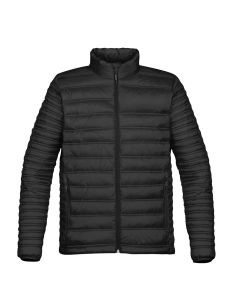
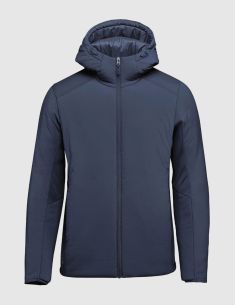
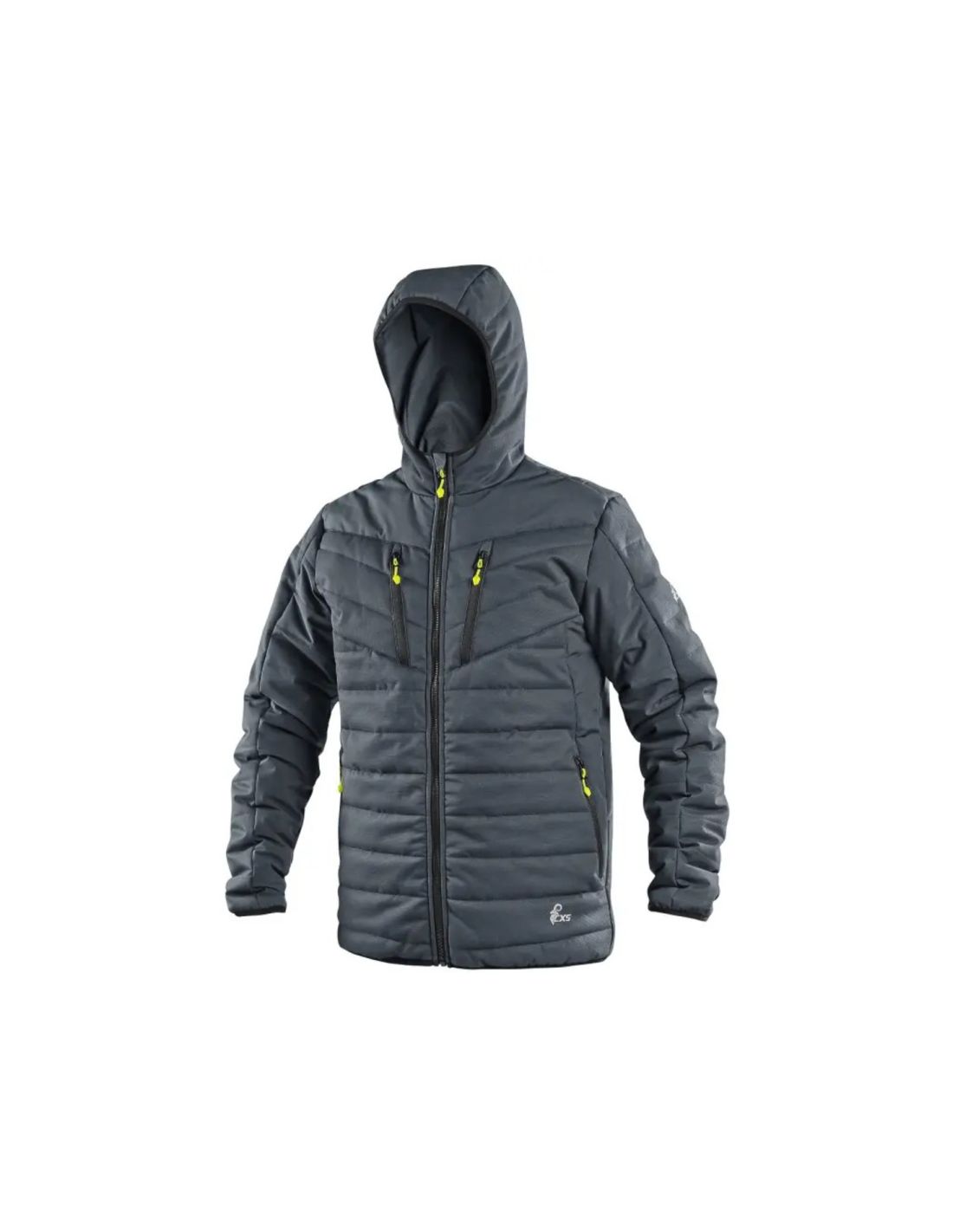
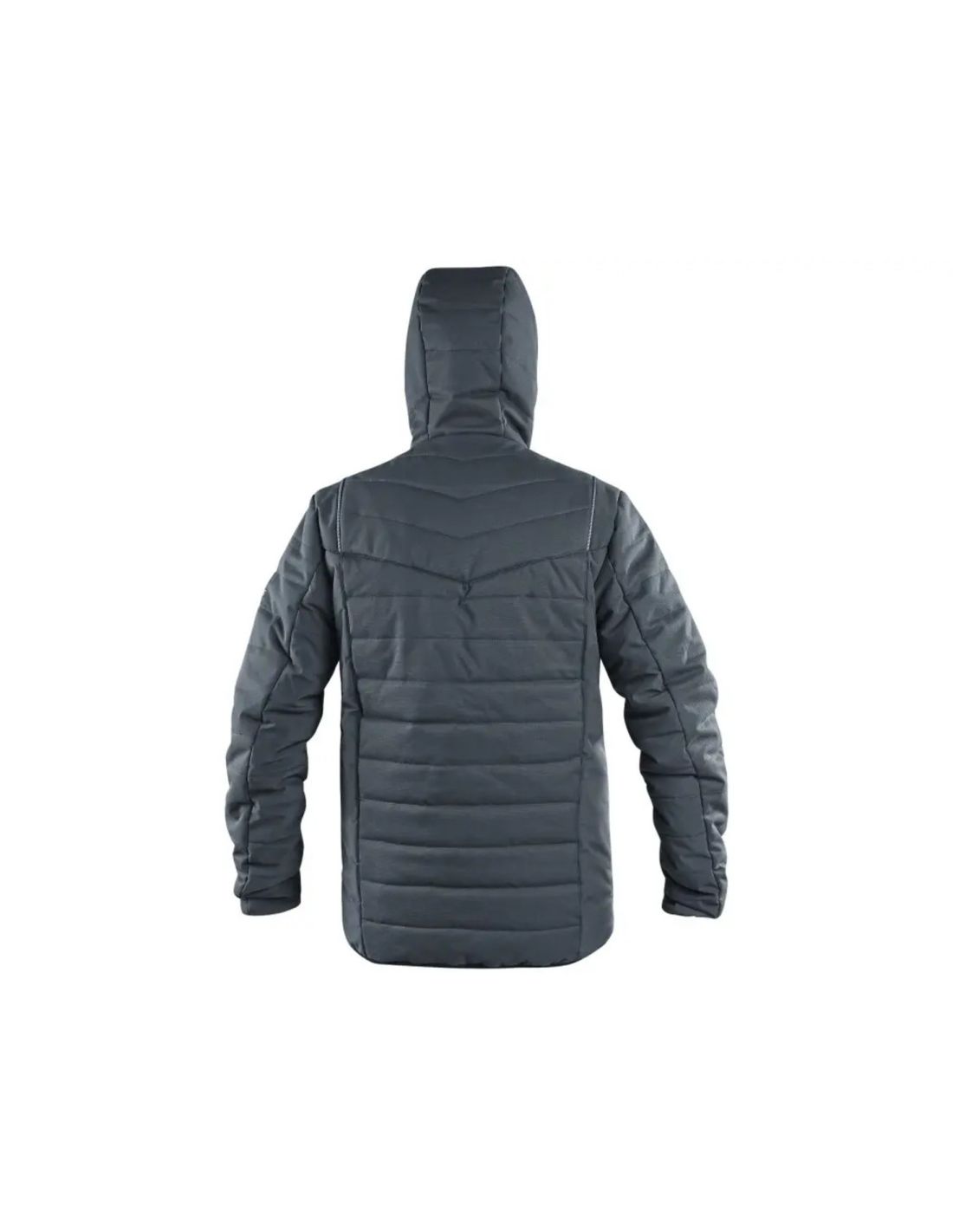
The jacket you keep on all day outdoors, and do not replace after one winter. Its baffled insulation holds warm air across the whole surface, with no cold spot at the shoulders after a few seasons.
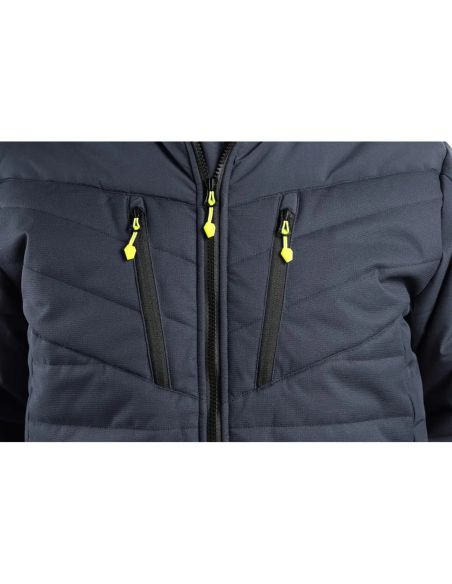
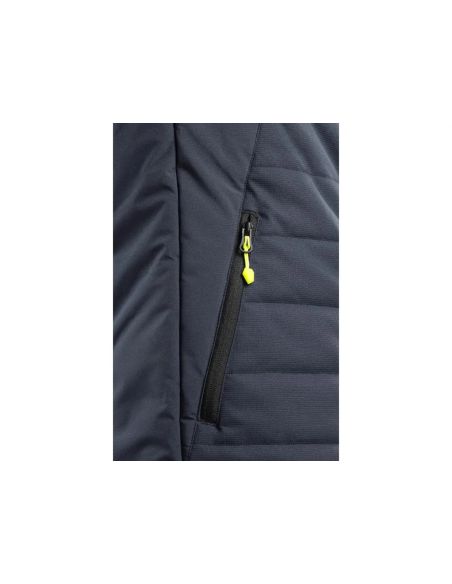
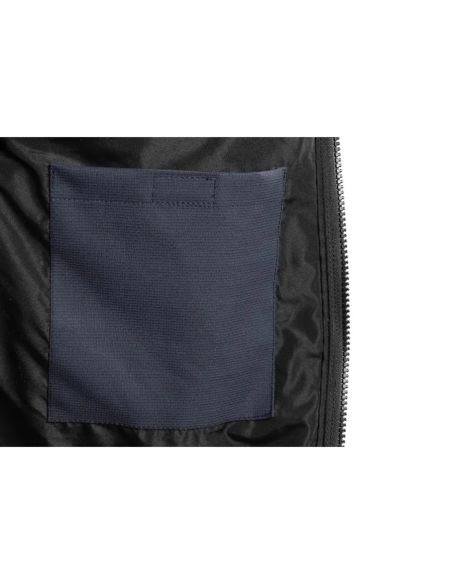
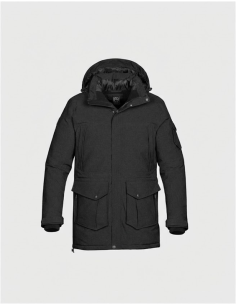
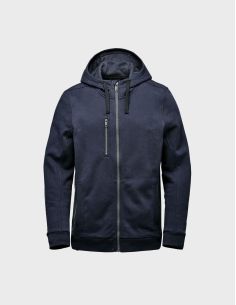
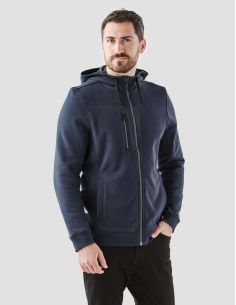
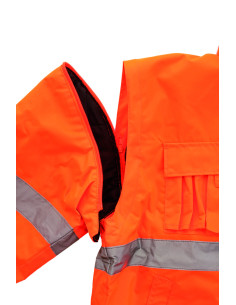
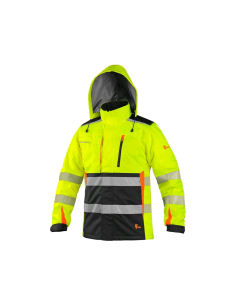
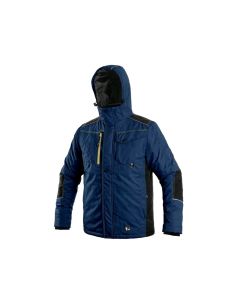
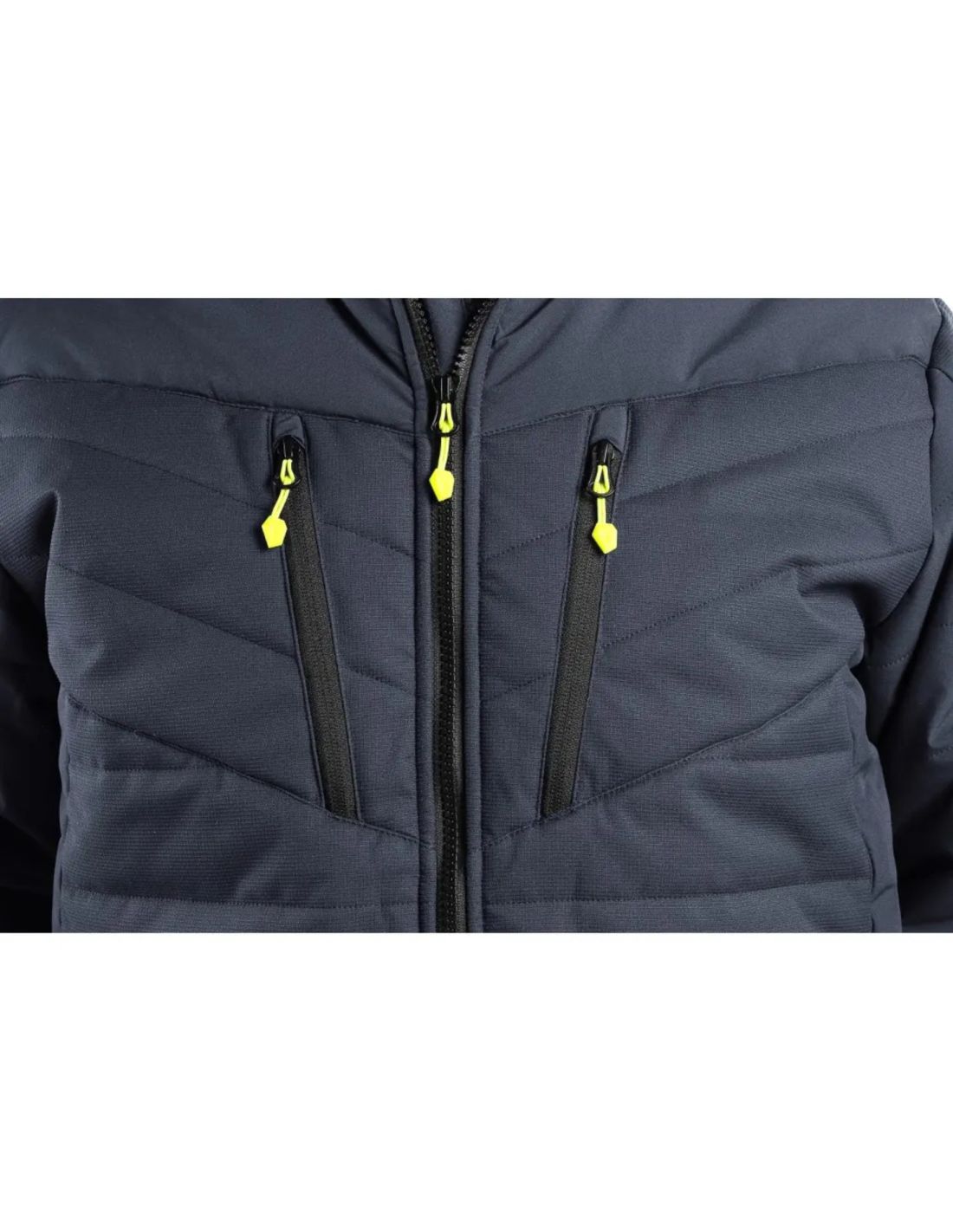
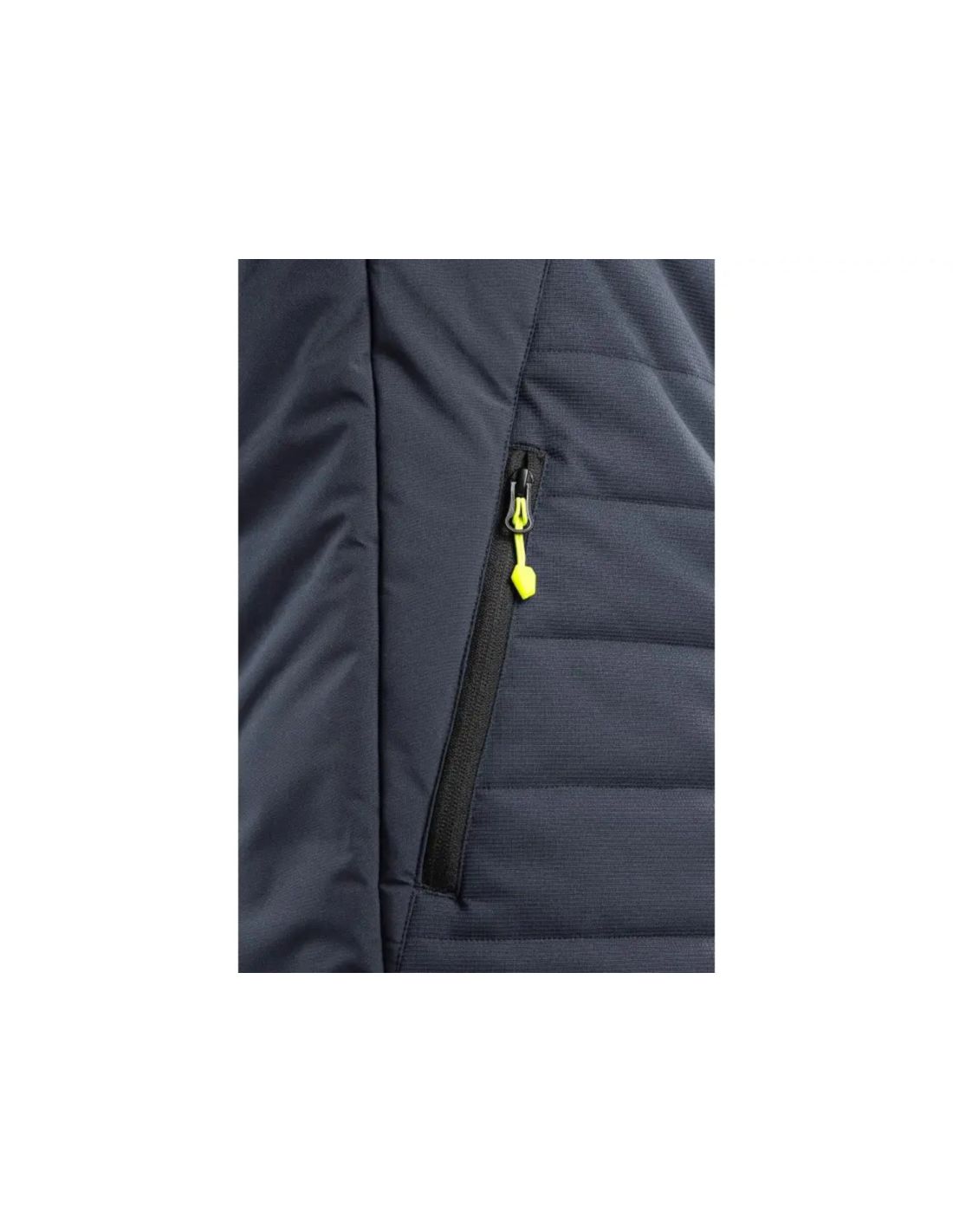
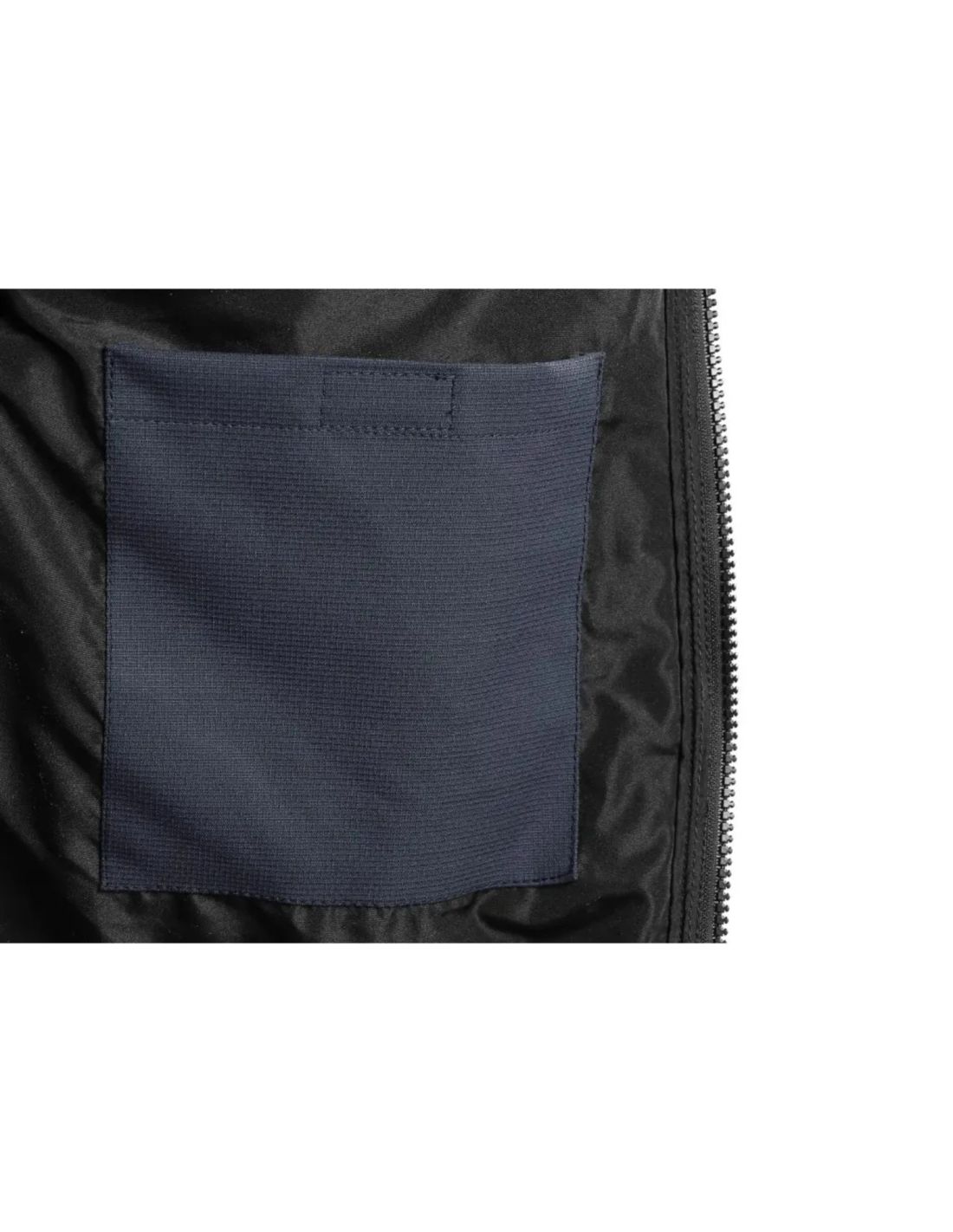
The cuffs and hem close with a light elastic that stops draughts without gripping. Five pockets, including two zipped chest pockets and one inner pocket. The manufacturer supplies spare zip pulls: they are the part that fails first. From S to 5XL.

Protection down to −10 °C, in recycled polyester.
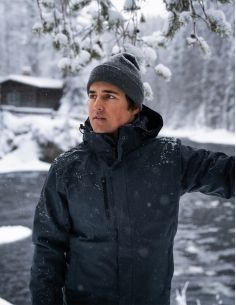
When you spend your days outdoors in winter, two things spoil everything: being cold by the first break, and buying a new jacket every year because the zip gave up. The Portland answers both. Its padding is held in quilted compartments, which keeps warm air across the whole surface, shoulders included — where cheap puffers go flat after two seasons. The cuffs and hem close with a soft elastic band that blocks draughts without gripping the wrist. Five pockets, two of them on the chest with zips and one inside, keep a phone, a badge and keys secure when you bend over. Spare zip pulls come with the jacket.
You wear a puffer from October to April, and what counts in the end is whether it keeps its loft. A jacket crushed flat at the shoulders warms very little by its third winter. Wear it over a fleece rather than a shirt: it is the layer underneath that makes the difference once you stop moving. And open the collar as soon as the effort builds, before you feel hot.
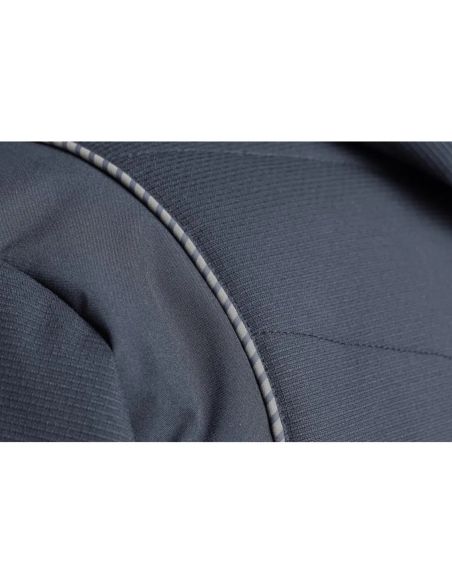
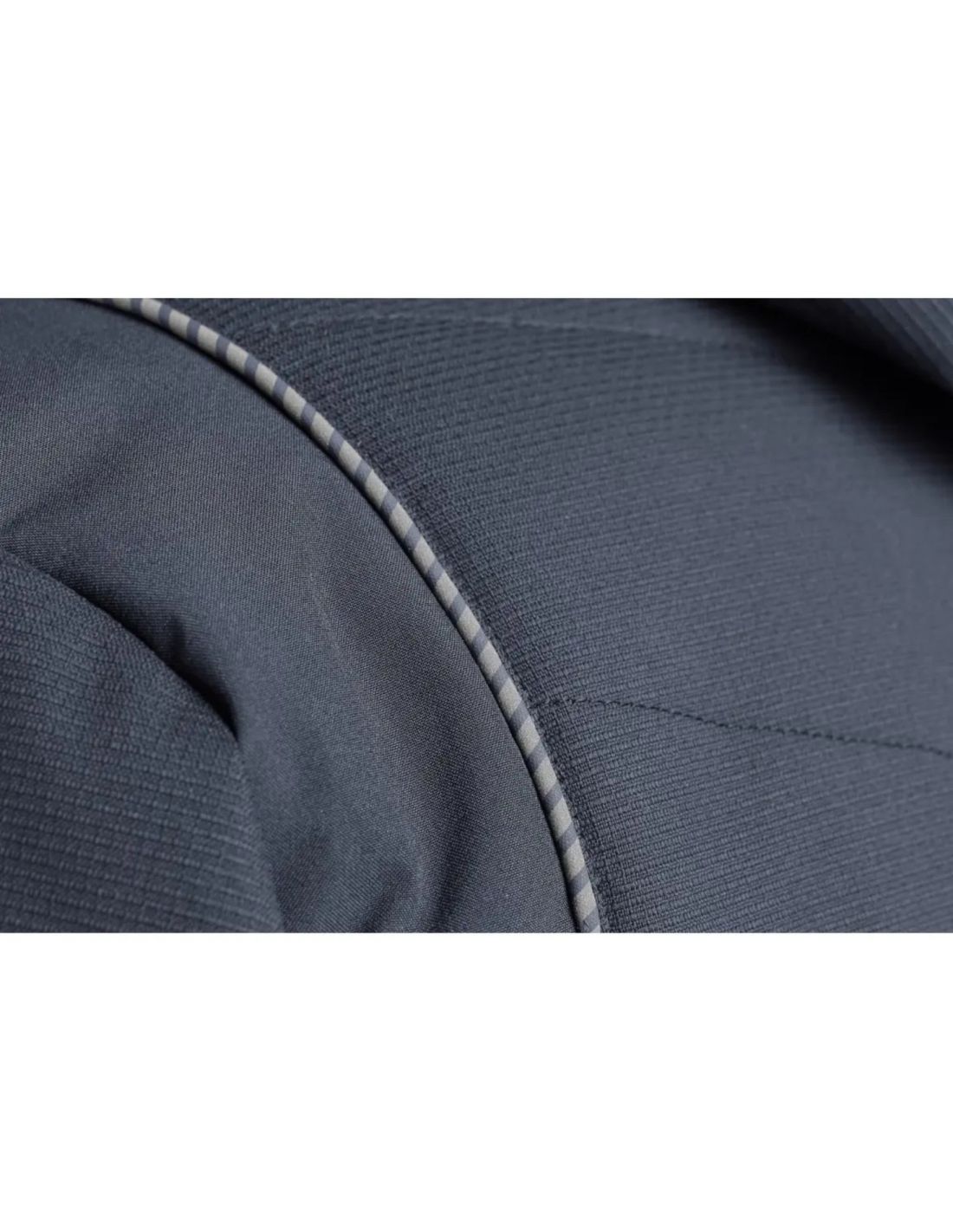
Quilted padding works by compartmentalisation: the stitch lines shut the fill into sections, which stops it migrating towards the bottom of the jacket. That is the whole difference between a puffer still insulating evenly after three winters and one that has gone flat at the shoulders — the area most exposed to wind, and the one you cannot warm up by moving. The soft elastic at the cuffs and hem closes the two main draught paths without compression, which counts on a garment worn all day: a tight band reduces circulation, and reduced circulation cools the hands. Its limit is strong wind and sustained rain, where a membrane jacket takes over.
Because it keeps its warmth where many puffers lose it: at the shoulders, after two or three seasons. The way the padding is compartmentalised is not a manufacturing detail — it is what decides whether the jacket still warms you three winters on.
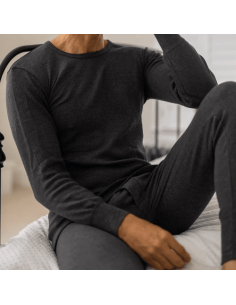
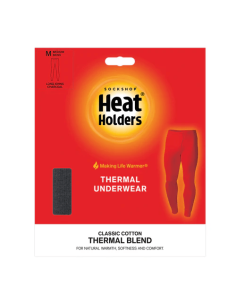
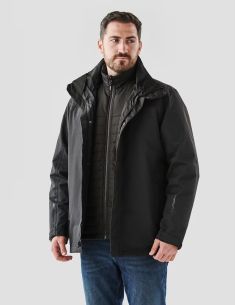
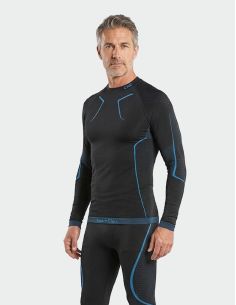
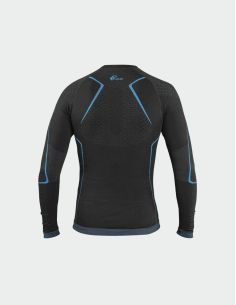
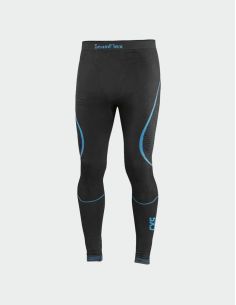
The three-layer system:
Well-compartmentalised padding proves itself after three winters, not at the first fitting.
* Indicative temperature. Perceived warmth varies with activity, body type, humidity, wind and the layers worn underneath.
You might also like